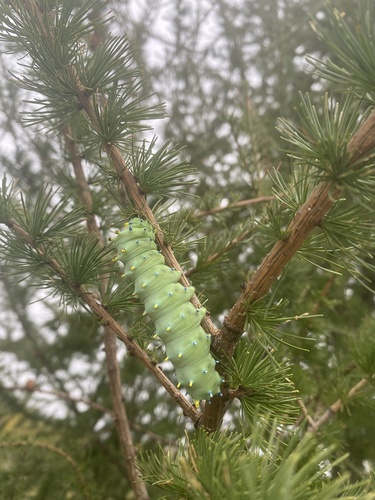


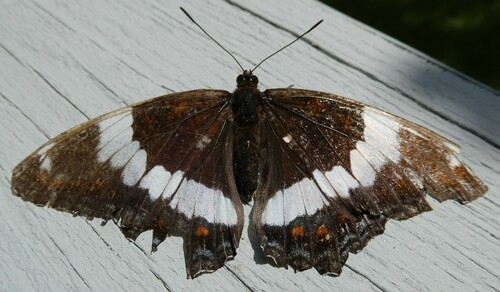
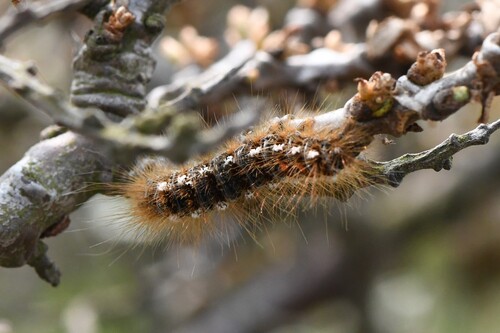

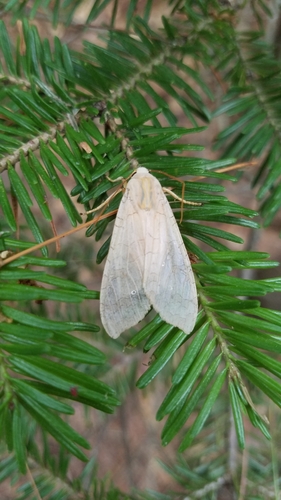
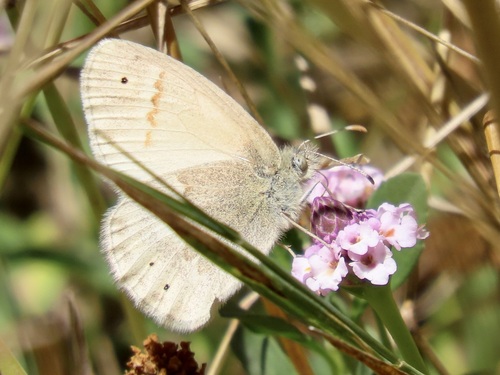
Columbia Silk Moth

Columbia Silk Moth

Hyalophora columbia

Daily sighting probability <5% · Rare
at Acadia National Park

In 3 days ~10% in a week ~30%

6 Verified sightings at Acadia National Park From 2019 to 2026
6 In 1 park
January Best month
☀️ Diurnal When it's spotted

About the Columbia Silk Moth

Hyalophora columbia, the Columbia silkmoth or larch silkmoth, is a moth of the family Saturniidae. In the east it is found from Quebec and Ontario to Michigan, northern Wisconsin, and south-eastern Manitoba. In the west it is found from Alberta and Montana south through the Rocky Mountains to south-western Texas and into central Mexico. The species was first described by Sidney Irving Smith in 1865.

The wingspan is 80–100 mm. Adults are on wing from May to July. There is one generation per year. The larvae feed on Larix laricina in the eastern part of their range. Furthermore, it has been recorded on in Prunus pensylvanica, Alnus rugosa and Betula papyrifera in western Ontario. In the west they feed on Prunus demissa, Prunus emarginata, Purshia tridentata, Rosa, Salix, Shepherdia argentea, Eleagnus angustifolius and Ceanothus. Wikipedia →

Global Distribution

Parks Where Found

# Park Country Daily sighting probability
1 Acadia National Park 🇺🇸 United States
<5%

More parks will be added in future updates.

Before you go

What are the chances of seeing a Columbia Silk Moth in Acadia National Park?

Rare

Under 5% of wildlife watchers report a Columbia Silk Moth sighting in Acadia National Park on a given day, based on 6 verified sightings from GBIF citizen-science data from 2019 to 2026. It is the 304th most-seen of the 405 insects we can rate there. Over three days the chance rises to about 10%, and over a week to about 30%, if each day is a fresh chance.

When is the best time to see a Columbia Silk Moth in Acadia National Park?

January

In that month about 20% of wildlife watchers report a Columbia Silk Moth in Acadia National Park on a given day, against under 5% in February–May and July–December, the lowest months.

What time of day is best to see a Columbia Silk Moth?

Between 9 am and noon

Across all the parks we cover, that three-hour window holds the most Columbia Silk Moth sightings with a recorded time, and about 8 in 10 of them come between 6 am and 6 pm: it is a daytime animal.

Where else can you see a Columbia Silk Moth?

Only Acadia National Park, in our data

Acadia National Park is the only park on Wallace's Line with enough records to rate Columbia Silk Moth sightings: under 5% of wildlife watchers there report one on a given day.

Which relatives of the Columbia Silk Moth live in Acadia National Park?

Same family: Saturniidae

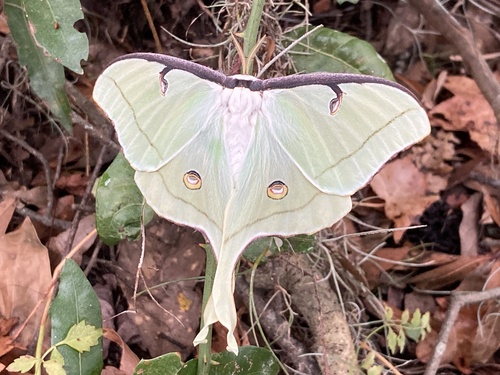
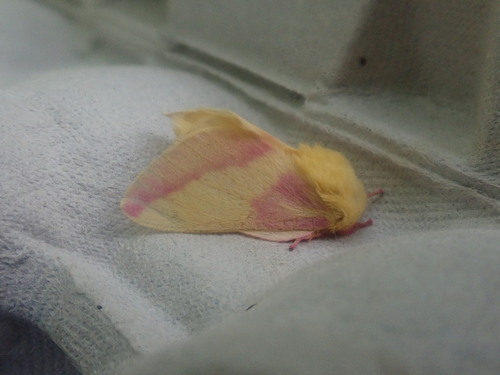
The closest relatives of the Columbia Silk Moth that you can see in Acadia National Park (family Saturniidae, Emperor and Giant Silk Moths) are North American Luna Moth (about 30%), Rosy Maple Moth (about 20%) and Polyphemus Moth (about 10%), with each one's daily chance of a sighting.

Where does the Columbia Silk Moth sighting chance come from?

GBIF citizen-science records

It is estimated from how often the Columbia Silk Moth is recorded against all the insects logged in Acadia National Park (6 verified sightings from 2019 to 2026), calibrated against known sighting rates. Figures are rounded to the nearest 10% because citizen-science data supports honest approximations, not decimals, and months with records from fewer than five people show "—". How it works.

← Back to Acadia National Park