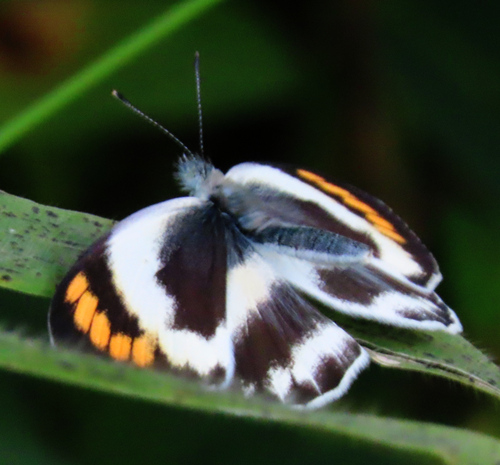
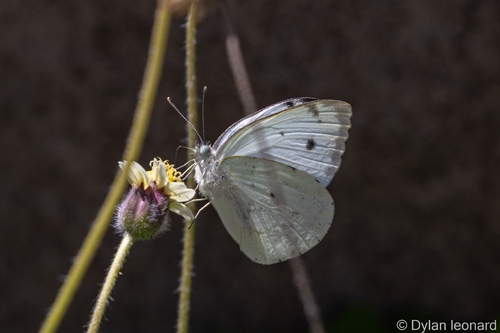
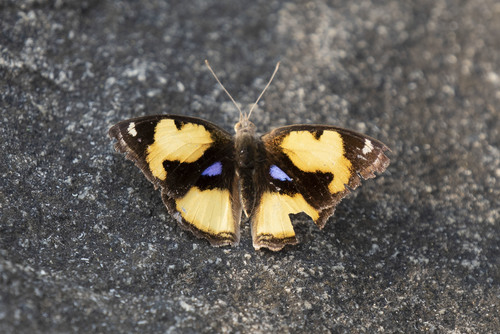
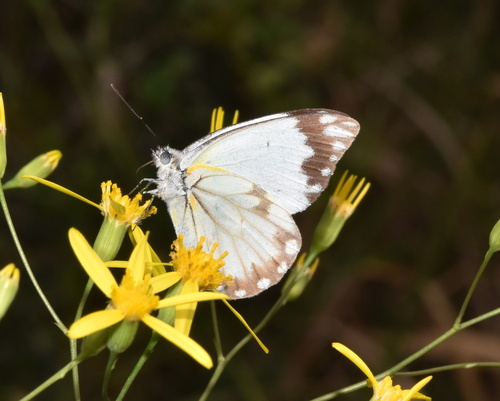
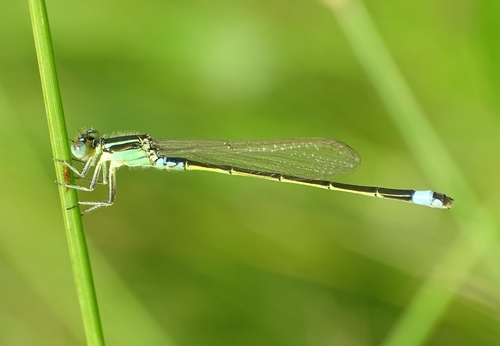
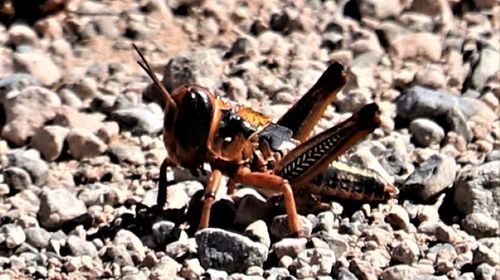
Brown Locust

Brown Locust

Locustana pardalina

Daily sighting probability ~10% · With luck
at Addo Elephant National Park

In 3 days ~20% in a week ~30%

8 Verified sightings at Addo Elephant National Park From 2019 to 2026
8 In 1 park
April Best month
☀️ Diurnal When it's spotted

About the Brown Locust

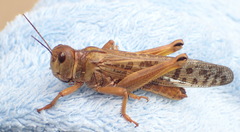
The brown locust (Locustana pardalina) is a medium-sized small locust species in the monotypic genus Locustana. It is found in Southern Africa and shows classic gregarious behaviour with phase polymorphism on crowding. "With its drought-resistant egg stage, short life cycle with 2–4 generations per year, high fecundity and highly gregarious behaviour, the brown locust regularly produces intense outbreaks. Eggs are usually laid in dry soil and during the summer months will hatch approximately 10 days after 15–25 millimetres (0.6–1.0 in) of rain has fallen. Under drought conditions, eggs enter various states of diapause and quiescence and can remain viable for up to 3 years.

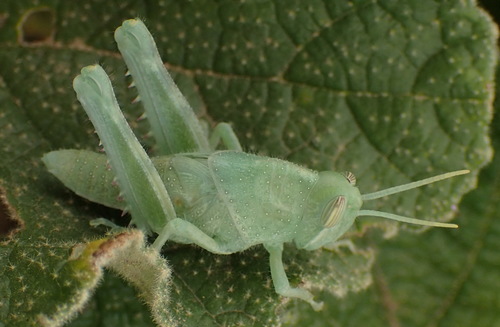
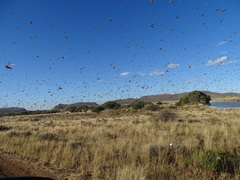
Incipient outbreaks generally arise following the end of droughts and are characterised by the dramatic increase in the density of the solitary phase adult population over wide areas of the Karoo. Hatching hoppers then aggregate and develop into thousands of small, discrete, highly gregarious hopper bands. For example, over 250,000 hopper bands and 40,000 fledging adult swarms were controlled in the massive 1985–86 upsurge. Swarming populations can then perpetuate themselves for a number of years, requiring... Wikipedia →
Global Distribution

Parks Where Found

# Park Country Daily sighting probability
1 Addo Elephant National Park 🇿🇦 South Africa
~10%

More parks will be added in future updates.

Before you go

What are the chances of seeing a Brown Locust in Addo Elephant National Park?

With luck

About 10% of wildlife watchers report a Brown Locust sighting in Addo Elephant National Park on a given day, based on 8 verified sightings from GBIF citizen-science data from 2019 to 2026. It is the 141st most-seen of the 198 insects we can rate there. Over three days the chance rises to about 20%, and over a week to about 30%, if each day is a fresh chance.

When is the best time to see a Brown Locust in Addo Elephant National Park?

April

In that month about 20% of wildlife watchers report a Brown Locust in Addo Elephant National Park on a given day, against under 5% in June to March, the lowest months.

What time of day is best to see a Brown Locust?

Between 8 and 11 am

Across all the parks we cover, that three-hour window holds the most Brown Locust sightings with a recorded time, and nearly all of them come between 6 am and 6 pm: it is a daytime animal.

Where else can you see a Brown Locust?

Only Addo Elephant National Park, in our data

Addo Elephant National Park is the only park on Wallace's Line with enough records to rate Brown Locust sightings: about 10% of wildlife watchers there report one on a given day.

Where does the Brown Locust sighting chance come from?

GBIF citizen-science records

It is estimated from how often the Brown Locust is recorded against all the insects logged in Addo Elephant National Park (8 verified sightings from 2019 to 2026), calibrated against known sighting rates. Figures are rounded to the nearest 10% because citizen-science data supports honest approximations, not decimals, and months with records from fewer than five people show "—". How it works.

← Back to Addo Elephant National Park