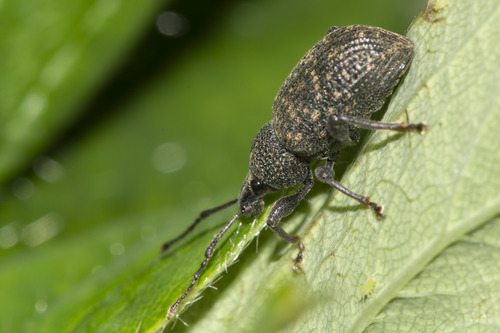
European Spruce Bark Beetle

European Spruce Bark Beetle

Ips typographus

Daily sighting probability <5% · Rare
at Bavarian Forest National Park

In 3 days ~10% in a week ~30%

6 Verified sightings at Bavarian Forest National Park From 2019 to 2026
6 In 1 park
February Best month
☀️ Diurnal When it's spotted

About the European Spruce Bark Beetle

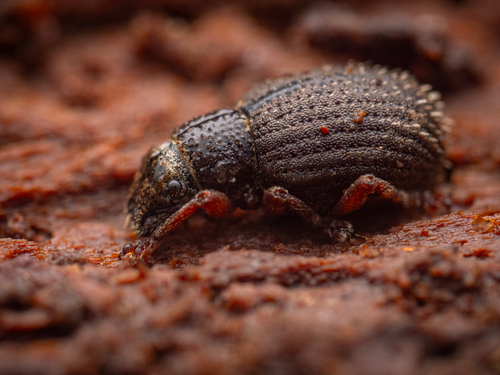
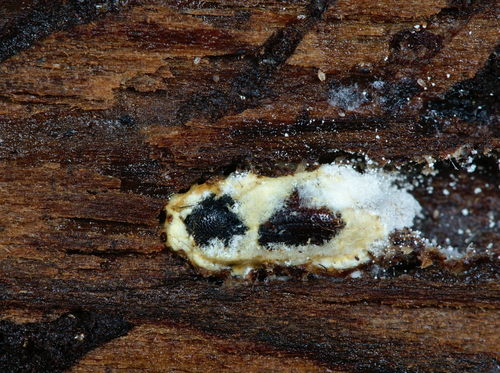
The European spruce bark beetle (Ips typographus), also called the eight-toothed spruce bark beetle, is a species of beetle in the weevil subfamily Scolytinae, the bark beetles, and is found in Europe, Asia Minor and east to China, Japan, and Korea. As it moves from tree to tree, it brings wood-rotting fungi with it, destroying the commercial value of the timber. It creates branching galleries under the bark (in the phloem), weakening the tree; serious and prolonged infestations can create enough galleries to girdle and so kill the tree. It is a serious pest of Norway spruce, a major commercial forestry tree in Europe, but also affects pines, firs, and larches.

The species was first described as Dermestes typographus by the Swedish naturalist Carl Linnaeus in 1758. He gave it the specific name "typographus" (engraver), and it acquired the common name "engraver beetle" for the appearance of the galleries it makes in wood.

In 1800, the Swedish naturalist Gustaf von Paykull described it as Bostrichus octodentatus. In 1860, the Russian entomologist Victor Motschulsky synonymised the species as Tomicus typographus. In 1909, the Japanese entomologist Yoshinao Niijima described... Wikipedia →
Global Distribution

Parks Where Found

# Park Country Daily sighting probability
1 Bavarian Forest National Park 🇩🇪 Germany
<5%

More parks will be added in future updates.

Before you go

What are the chances of seeing a European Spruce Bark Beetle in Bavarian Forest National Park?

Rare

Under 5% of wildlife watchers report a European Spruce Bark Beetle sighting in Bavarian Forest National Park on a given day, based on 6 verified sightings from GBIF citizen-science data from 2019 to 2026. It is the 822nd most-seen of the 1115 insects we can rate there. Over three days the chance rises to about 10%, and over a week to about 30%, if each day is a fresh chance.

When is the best time to see a European Spruce Bark Beetle in Bavarian Forest National Park?

February–April and August–September

In those months about 10% of wildlife watchers report a European Spruce Bark Beetle in Bavarian Forest National Park on a given day, against under 5% in May–July and October–January, the lowest months.

What time of day is best to see a European Spruce Bark Beetle?

Between 9 am and noon

Across all the parks we cover, that three-hour window holds the most European Spruce Bark Beetle sightings with a recorded time, and about 8 in 10 of them come between 6 am and 6 pm: it is a daytime animal.

Where else can you see a European Spruce Bark Beetle?

Only Bavarian Forest National Park, in our data

Bavarian Forest National Park is the only park on Wallace's Line with enough records to rate European Spruce Bark Beetle sightings: under 5% of wildlife watchers there report one on a given day.

Which relatives of the European Spruce Bark Beetle live in Bavarian Forest National Park?

Same family: Curculionidae

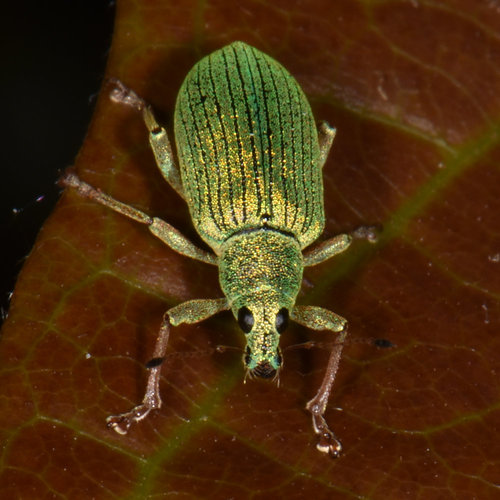
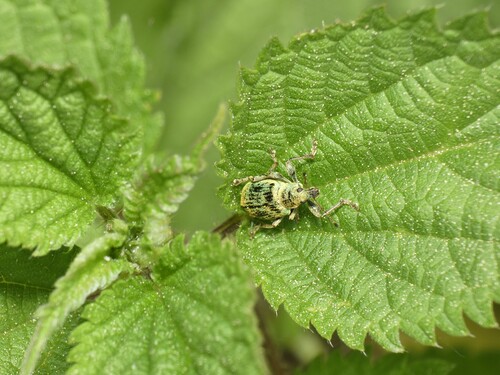
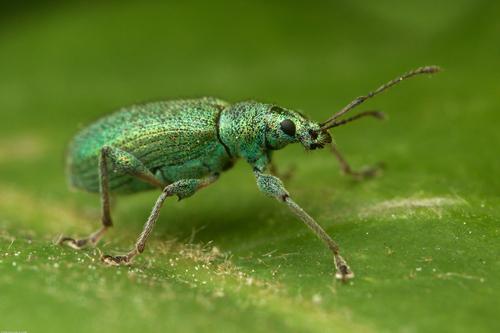
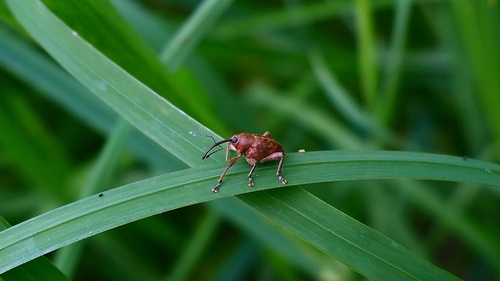
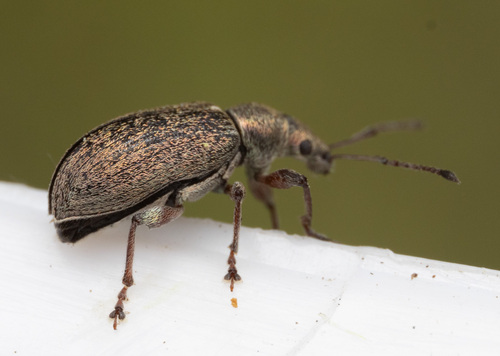
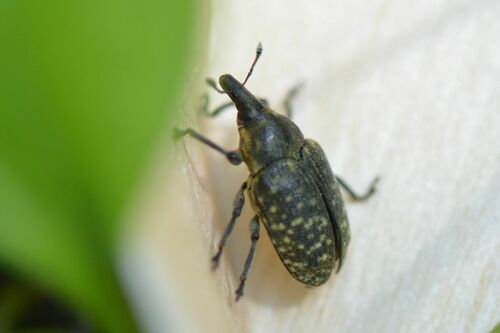
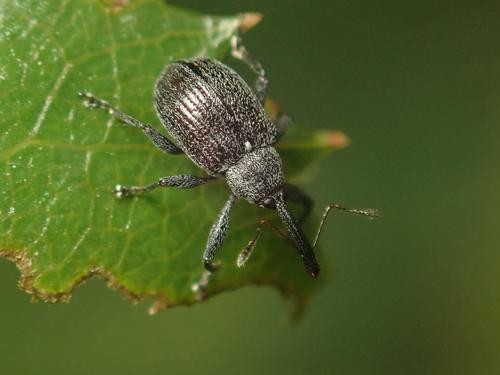
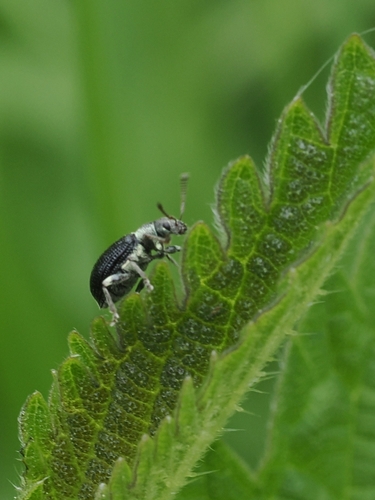
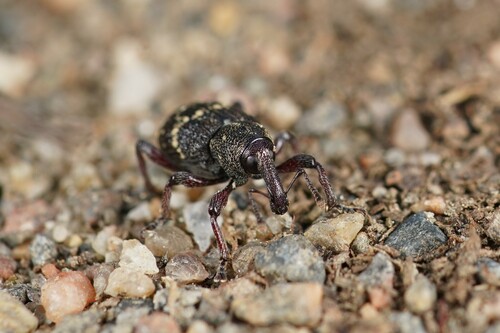
The closest relatives of the European Spruce Bark Beetle that you can see in Bavarian Forest National Park (family Curculionidae, True Weevils) are Large Pine Weevil (about 10%), Green Immigrant Leaf Weevil (about 10%) and Nettle Weevil (about 10%), with each one's daily chance of a sighting.

Where does the European Spruce Bark Beetle sighting chance come from?

GBIF citizen-science records

It is estimated from how often the European Spruce Bark Beetle is recorded against all the insects logged in Bavarian Forest National Park (6 verified sightings from 2019 to 2026), calibrated against known sighting rates. Figures are rounded to the nearest 10% because citizen-science data supports honest approximations, not decimals, and months with records from fewer than five people show "—". How it works.

← Back to Bavarian Forest National Park