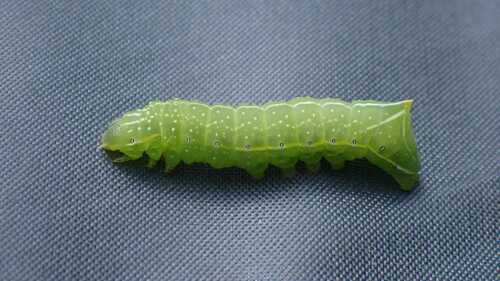
Marbled Minor

Marbled Minor

Oligia strigilis

Daily sighting probability <5% · Rare
at Bavarian Forest National Park

In 3 days ~10% in a week ~30%

6 Verified sightings at Bavarian Forest National Park From 2019 to 2026
6 In 1 park
May Best month
☀️🌙 Day & Night When it's spotted

About the Marbled Minor

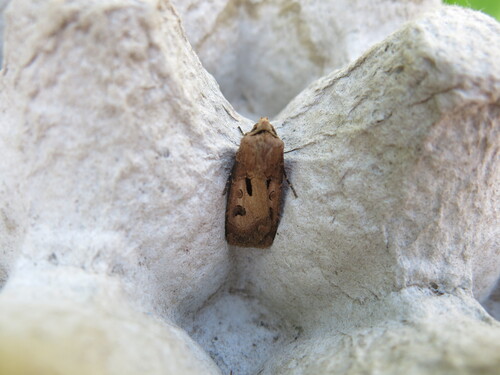
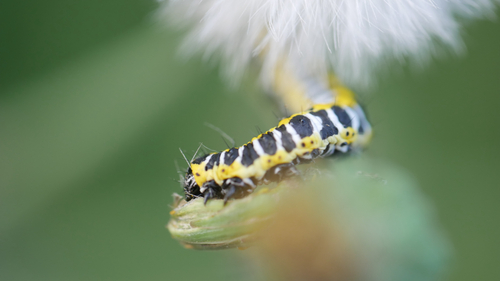
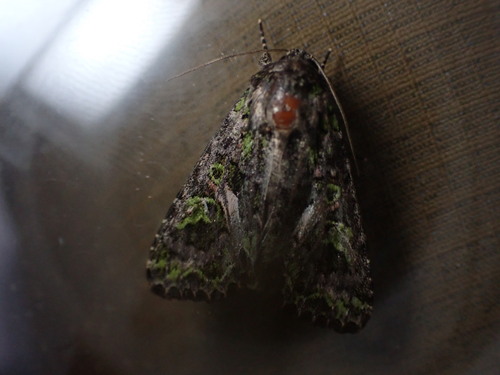
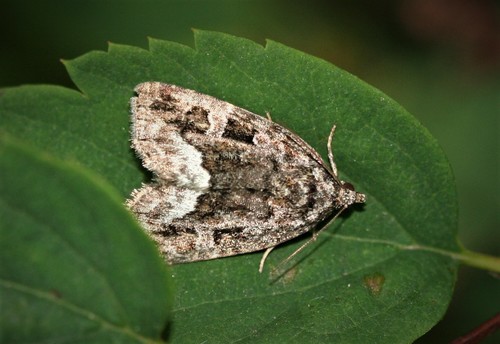
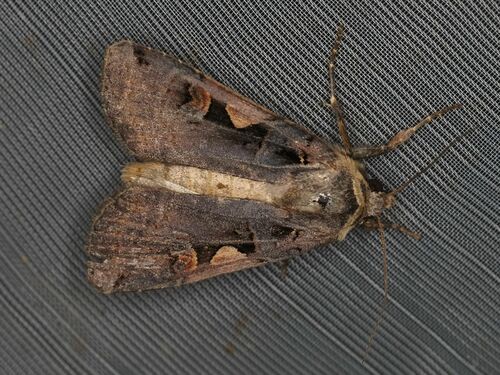
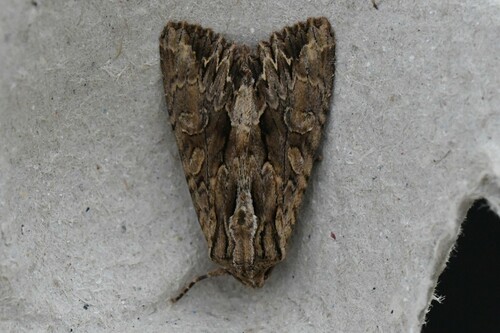
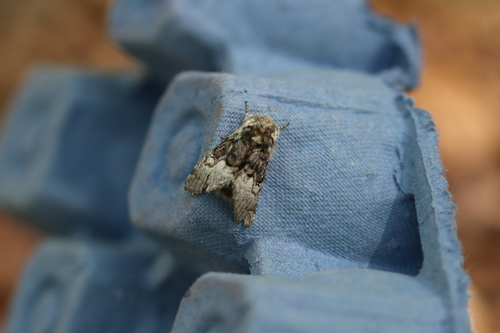
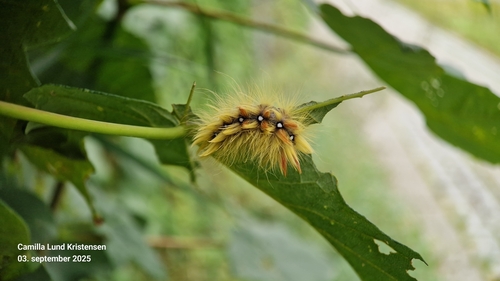
The marbled minor (Oligia strigilis) is a moth of the family Noctuidae. The species was first described by Carl Linnaeus in his 1758 10th edition of Systema Naturae. It is distributed throughout Europe, east through the Palearctic to central Asia and the Altai Mountains. It rises to heights of over 1500 meters in the Alps.

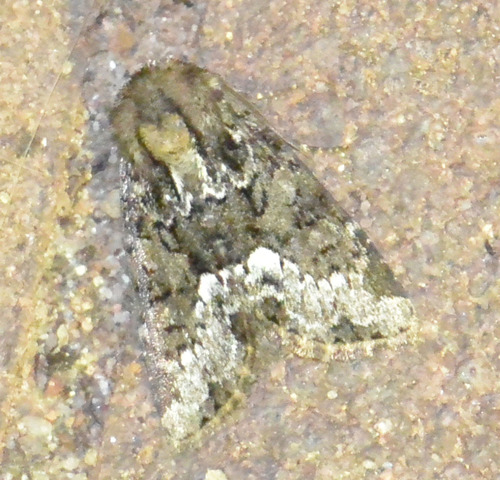
This is a rather small species (wingspan 24–29 mm), the forewings usually being dark brown with a pale subterminal band, the hindwings pale brown. Melanic forms are often encountered, especially in industrial areas. Its wingspan is 24–29 mm. Forewing brownish grey, reddish grey, reddish brown, or blackish; the space between outer and submarginal lines often white or grey, or luteous (muddy yellow), rufous or concolorous with ground colour; the three stigmata ringed with black, either paler than the ground or lost in the dark suffusion; inner and outer lines blackish, conversely edged with paler and dentatelunulate, the pale edging of outer line generally more conspicuous, whitish, below the middle; terminal area dark, forming two blotches one on each fold; a dark costal blotch before submarginal line; a slight black dash... Wikipedia →

Global Distribution

Parks Where Found

# Park Country Daily sighting probability
1 Bavarian Forest National Park 🇩🇪 Germany
<5%

More parks will be added in future updates.

Cities Where Found

# City Country Daily sighting probability
1 London 🇬🇧 United Kingdom
<5%
2 Vienna 🇦🇹 Austria
<5%
3 Toronto 🇨🇦 Canada
<5%

Before you go

What are the chances of seeing a Marbled Minor in Bavarian Forest National Park?

Rare

Under 5% of wildlife watchers report a Marbled Minor sighting in Bavarian Forest National Park on a given day, based on 6 verified sightings from GBIF citizen-science data from 2019 to 2026. It is the 822nd most-seen of the 1115 insects we can rate there. Over three days the chance rises to about 10%, and over a week to about 30%, if each day is a fresh chance.

When is the best time to see a Marbled Minor in Bavarian Forest National Park?

May and June

In those months about 10% of wildlife watchers report a Marbled Minor in Bavarian Forest National Park on a given day, against under 5% in July to April, the lowest months.

What time of day is best to see a Marbled Minor?

Between 10 pm and 1 am

Across all the parks we cover, that three-hour window holds the most Marbled Minor sightings with a recorded time, and about half of them come between 6 pm and 6 am: it is seen both by day and at night.

Where else can you see a Marbled Minor?

Only Bavarian Forest National Park, in our data

Bavarian Forest National Park is the only park on Wallace's Line with enough records to rate Marbled Minor sightings: under 5% of wildlife watchers there report one on a given day.

Which relatives of the Marbled Minor live in Bavarian Forest National Park?

Same family: Noctuidae

The closest relatives of the Marbled Minor that you can see in Bavarian Forest National Park (family Noctuidae, Cutworm Moths and Allies) are Silver Υ (about 20%), Knot Grass Moth (about 20%) and Large Yellow Underwing (about 10%), with each one's daily chance of a sighting.

Where does the Marbled Minor sighting chance come from?

GBIF citizen-science records

It is estimated from how often the Marbled Minor is recorded against all the insects logged in Bavarian Forest National Park (6 verified sightings from 2019 to 2026), calibrated against known sighting rates. Figures are rounded to the nearest 10% because citizen-science data supports honest approximations, not decimals, and months with records from fewer than five people show "—". How it works.

← Back to Bavarian Forest National Park