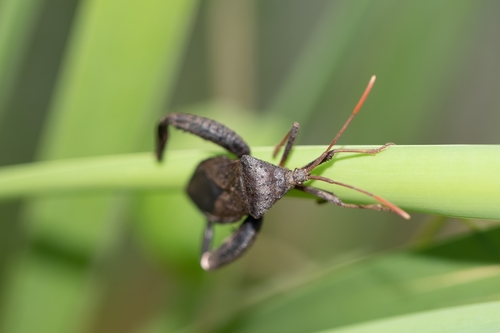
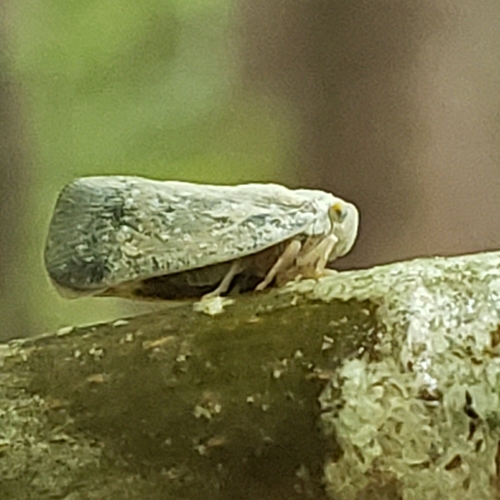
Common Cotton Stainer Bug

Common Cotton Stainer Bug

Dysdercus suturellus

Daily sighting probability ~10% · With luck
at Big Cypress National Preserve

In 3 days ~30% in a week ~50%

10 Verified sightings at Big Cypress National Preserve From 2019 to 2026
110 In all 2 parks
February Best month
☀️ Diurnal When it's spotted

About the Common Cotton Stainer Bug

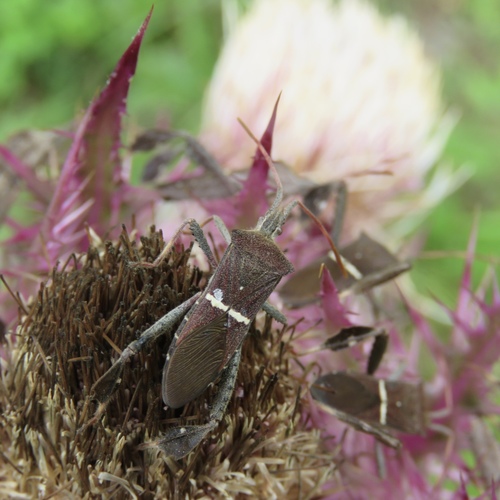
Dysdercus suturellus is a species of true bug in the family Pyrrhocoridae and a species of cotton stainer. The adult insect is slender, about 1 to 1.5 cm (0.4 to 0.6 in) long, with a red thorax and dark brown wings marked with a yellow cross. It is native to the southeast of the United States, Jamaica and Puerto Rico. It is a pest of cotton crops and other plants, the adults and older nymphs feeding on the emerging bolls and the ripening seeds.

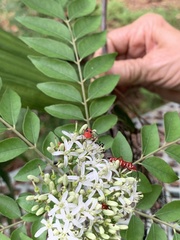
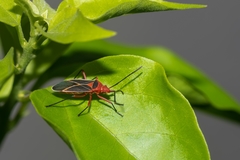
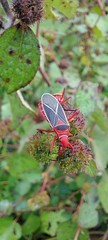
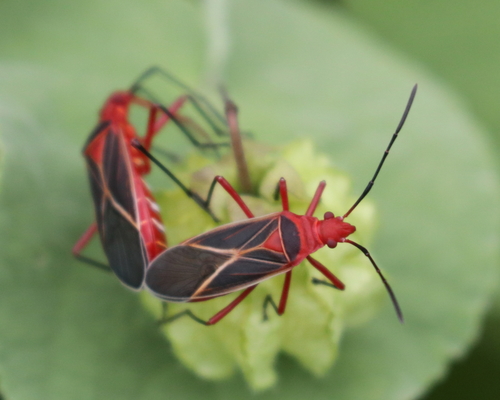
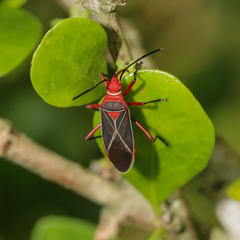
The adult Dysdercus suturellus is about 1 to 1.5 cm (0.4 to 0.6 in) long. It has a red head with black antennae, the first segment of which are longer than the second. The thorax has a white pronotal collar and is otherwise mostly red. The sternites of the abdomen are red, bordered with white posteriorly. The corium, the leathery base of the wings, is dark brown margined with cream, giving the insect a large cross-shaped pattern.

Dysdercus suturellus is native to the southeasternmost part of the United States, Jamaica and Puerto Rico. It is a pest of cotton crops and its distribution has been linked to the area of cotton under cultivation. Other host plants include tangerines, okra, papaya, oleander... Wikipedia →
Global Distribution

Parks Where Found

# Park Country Daily sighting probability
1 Everglades National Park 🇺🇸 United States
~20%
2 Big Cypress National Preserve 🇺🇸 United States
~10%

Cities Where Found

# City Country Daily sighting probability
1 Miami 🇺🇸 United States
<5%
2 Orlando 🇺🇸 United States
<5%

Before you go

What are the chances of seeing a Common Cotton Stainer Bug in Big Cypress National Preserve?

With luck

About 10% of wildlife watchers report a Common Cotton Stainer Bug sighting in Big Cypress National Preserve on a given day, based on 10 verified sightings from GBIF citizen-science data from 2019 to 2026. It is the 116th most-seen of the 262 insects we can rate there. Over three days the chance rises to about 30%, and over a week to about 50%, if each day is a fresh chance.

When is the best time to see a Common Cotton Stainer Bug in Big Cypress National Preserve?

February and December

In those months about 20% of wildlife watchers report a Common Cotton Stainer Bug in Big Cypress National Preserve on a given day, against under 5% in May and July–October, the lowest months. Those are among Big Cypress National Preserve's driest months, with about 55 mm of rain a month against 260 mm in June.

What time of day is best to see a Common Cotton Stainer Bug?

Between 2 and 5 pm

Across all the parks we cover, that three-hour window holds the most Common Cotton Stainer Bug sightings with a recorded time, and about 9 in 10 of them come between 6 am and 6 pm: it is a daytime animal.

Is Big Cypress National Preserve the best place to see a Common Cotton Stainer Bug?

2nd of 2

Of the 2 parks where we can rate Common Cotton Stainer Bug sightings, Big Cypress National Preserve ranks 2nd at about 10%. The best odds are in Everglades National Park (United States, about 20%).

Which relatives of the Common Cotton Stainer Bug live in Big Cypress National Preserve?

Same order: Hemiptera

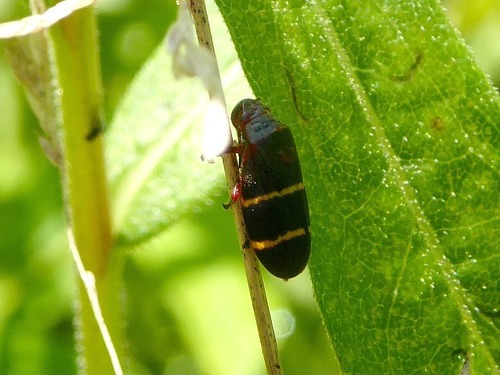
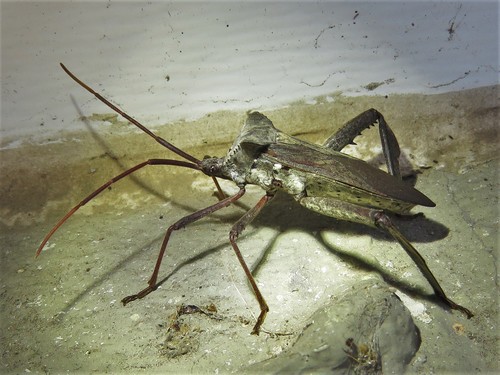
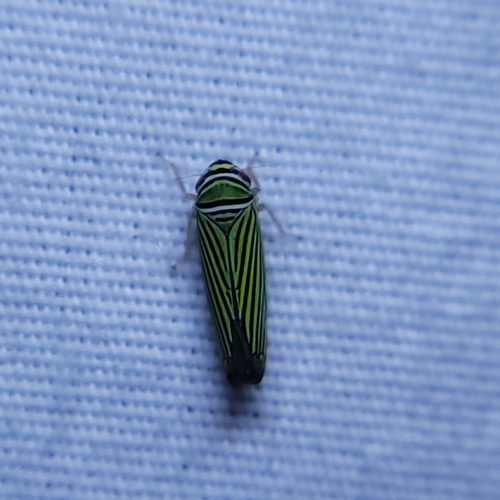
The closest relatives of the Common Cotton Stainer Bug that you can see in Big Cypress National Preserve (order Hemiptera, True Bugs, Hoppers, Aphids, and allies) are Red Bay Psyllid (about 20%), Eastern Toe-Biter (about 20%) and Two-Lined Spittlebug (about 20%), with each one's daily chance of a sighting.

Where does the Common Cotton Stainer Bug sighting chance come from?

GBIF citizen-science records

It is estimated from how often the Common Cotton Stainer Bug is recorded against all the insects logged in Big Cypress National Preserve (10 verified sightings from 2019 to 2026), calibrated against known sighting rates. Figures are rounded to the nearest 10% because citizen-science data supports honest approximations, not decimals, and months with records from fewer than five people show "—". How it works.

← Back to Big Cypress National Preserve