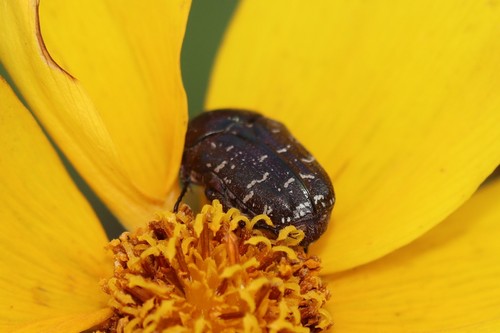
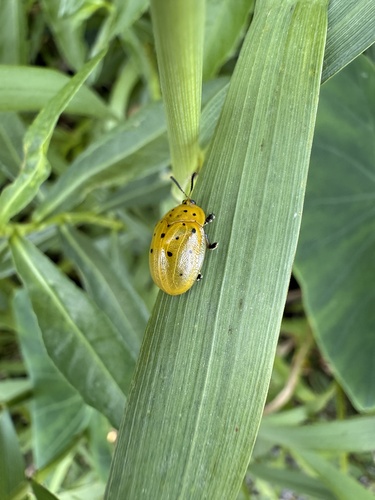
Palmetto Weevil

Palmetto Weevil

Rhynchophorus cruentatus

Daily sighting probability ~10% · With luck
at Big Cypress National Preserve

In 3 days ~30% in a week ~50%

9 Verified sightings at Big Cypress National Preserve From 2019 to 2026
9 In 1 park
November Best month
☀️ Diurnal When it's spotted

About the Palmetto Weevil

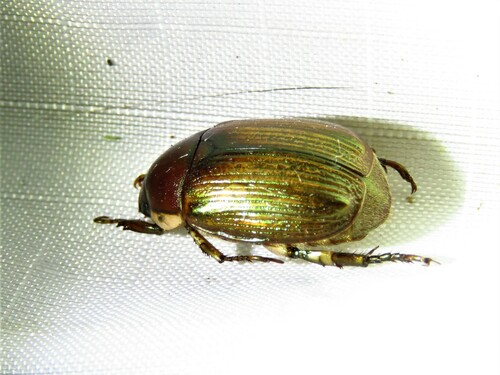
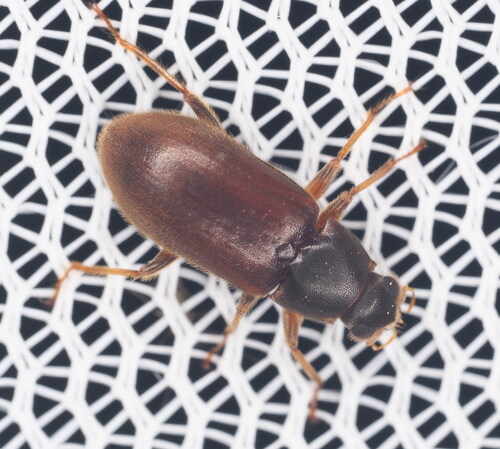
The palmetto weevil (Rhynchophorus cruentatus) is an insect native to Florida, but has been found as far as southern Texas to the west and South Carolina to the north. It is the largest weevil in North America and the only kind of palm weevil in the continental United States. It infests palms and is considered a pest. Its main target is the Canary Island date palm, but date palms (a different species than the Canary Island date palm), sabal palms (the palmetto weevil's traditional target), saw palmetto (the palmetto weevil's traditional alternative target), Washingtonia, Pritchardia, royal palms, Latania, coconut palms, Caryota, and Bismarckia are also susceptible. Distressed palm trees are usually attacked, which makes transplanted trees a frequent target. The Palmetto Weevils mate at the base of the palm branches where the females deposit their eggs. The grubs then eat into the palm tree, killing it. After the larvae have turned into adult weevils, the damage can be seen, but by then, it is considered to be too late for the tree. The life cycle from egg to adult for a palmetto weevil is about 84 days. For prevention, it is recommended an appropriate insecticidal crown drench is done twice a year for high value palms.

Grubs of other species of palm weevils are considered a delicacy in countries outside the United States. Palmetto weevil are most active in late spring and early summer. Wikipedia →

Global Distribution

Parks Where Found

# Park Country Daily sighting probability
1 Big Cypress National Preserve 🇺🇸 United States
~10%

More parks will be added in future updates.

Cities Where Found

# City Country Daily sighting probability
1 Orlando 🇺🇸 United States
<5%
2 Miami 🇺🇸 United States
<5%

Before you go

What are the chances of seeing a Palmetto Weevil in Big Cypress National Preserve?

With luck

About 10% of wildlife watchers report a Palmetto Weevil sighting in Big Cypress National Preserve on a given day, based on 9 verified sightings from GBIF citizen-science data from 2019 to 2026. It is the 137th most-seen of the 262 insects we can rate there. Over three days the chance rises to about 30%, and over a week to about 50%, if each day is a fresh chance.

When is the best time to see a Palmetto Weevil in Big Cypress National Preserve?

August–September and November

In those months about 20% of wildlife watchers report a Palmetto Weevil in Big Cypress National Preserve on a given day, against under 5% in January, May–July and October, the lowest months.

What time of day is best to see a Palmetto Weevil?

Between 11 am and 2 pm

Across all the parks we cover, that three-hour window holds the most Palmetto Weevil sightings with a recorded time, and about 9 in 10 of them come between 6 am and 6 pm: it is a daytime animal.

Where else can you see a Palmetto Weevil?

Only Big Cypress National Preserve, in our data

Big Cypress National Preserve is the only park on Wallace's Line with enough records to rate Palmetto Weevil sightings: about 10% of wildlife watchers there report one on a given day.

Where does the Palmetto Weevil sighting chance come from?

GBIF citizen-science records

It is estimated from how often the Palmetto Weevil is recorded against all the insects logged in Big Cypress National Preserve (9 verified sightings from 2019 to 2026), calibrated against known sighting rates. Figures are rounded to the nearest 10% because citizen-science data supports honest approximations, not decimals, and months with records from fewer than five people show "—". How it works.

← Back to Big Cypress National Preserve