

Marsh Damsel Bug

Marsh Damsel Bug

Nabis limbatus

Daily sighting probability ~10% · With luck
at Cairngorms National Park

In 3 days ~20% in a week ~30%

6 Verified sightings at Cairngorms National Park From 2019 to 2026
6 In 1 park
November Best month
☀️ Diurnal When it's spotted

About the Marsh Damsel Bug

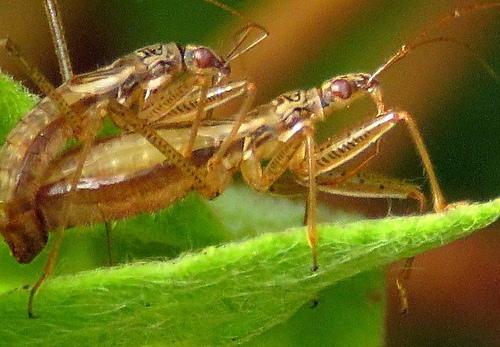
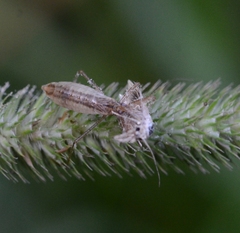
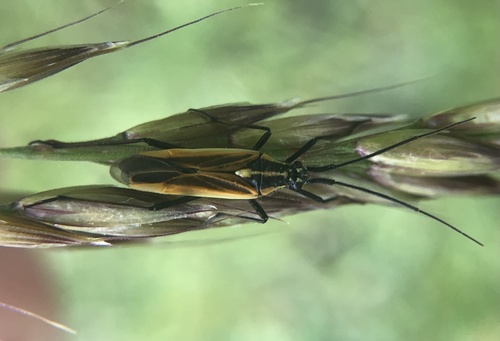
Nabis limbatus is a species of damsel bug in the family Nabidae. It is found in Northern Europe and the northern part of Western and Central Europe. It occurs in the East in Eastern Europe and across the Palearctic to Siberia to China and Korea. It is introduced in Canada. In the Alps, it rises to about 1400 meters above sea level. In the South of Europe, it is found only in the central uplands.

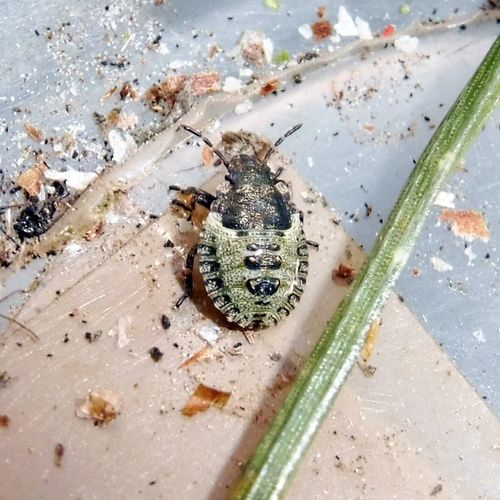
Nabis limbatus is found in tall grass and the herbaceous layer in moist to wet, half shady or open habitats. In forests they are found predominantly in glades, the edge of pathways and margins. Sometimes they are found in drier places. It is a predator with a non-specific range of prey and hunts on the ground as well as in the herb layer. Overwintering occurs as the egg. Nymphs are found from mid-May until July, adults from the end of June. Females insert their eggs mainly in August in blades of grass or the stems of herbaceous plants. The micropterous bugs go through four nymphal stages. Wikipedia →

Global Distribution

Parks Where Found

# Park Country Daily sighting probability
1 Cairngorms National Park 🇬🇧 United Kingdom
~10%

More parks will be added in future updates.

Cities Where Found

# City Country Daily sighting probability
1 Helsinki 🇫🇮 Finland
~10%
2 Birmingham 🇬🇧 United Kingdom
<5%
3 Saint Petersburg 🇷🇺 Russia
<5%
4 Moscow 🇷🇺 Russia
<5%

Before you go

What are the chances of seeing a Marsh Damsel Bug in Cairngorms National Park?

With luck

About 10% of wildlife watchers report a Marsh Damsel Bug sighting in Cairngorms National Park on a given day, based on 6 verified sightings from GBIF citizen-science data from 2019 to 2026. It is the 260th most-seen of the 300 insects we can rate there. Over three days the chance rises to about 20%, and over a week to about 30%, if each day is a fresh chance.

When is the best time to see a Marsh Damsel Bug in Cairngorms National Park?

November

In that month about 20% of wildlife watchers report a Marsh Damsel Bug in Cairngorms National Park on a given day, against under 5% in October and December–June, the lowest months.

What time of day is best to see a Marsh Damsel Bug?

Between 1 and 4 pm

Across all the parks we cover, that three-hour window holds the most Marsh Damsel Bug sightings with a recorded time, and nearly all of them come between 6 am and 6 pm: it is a daytime animal.

Where else can you see a Marsh Damsel Bug?

Only Cairngorms National Park, in our data

Cairngorms National Park is the only park on Wallace's Line with enough records to rate Marsh Damsel Bug sightings: about 10% of wildlife watchers there report one on a given day.

Which relatives of the Marsh Damsel Bug live in Cairngorms National Park?

Same order: Hemiptera

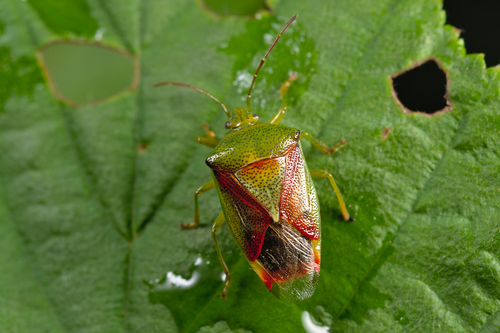
The closest relatives of the Marsh Damsel Bug that you can see in Cairngorms National Park (order Hemiptera, True Bugs, Hoppers, Aphids, and allies) are Forest Bug (about 20%), Birch Shield Bug (about 20%) and Hawthorn Shield Bug (about 10%), with each one's daily chance of a sighting.

Where does the Marsh Damsel Bug sighting chance come from?

GBIF citizen-science records

It is estimated from how often the Marsh Damsel Bug is recorded against all the insects logged in Cairngorms National Park (6 verified sightings from 2019 to 2026), calibrated against known sighting rates. Figures are rounded to the nearest 10% because citizen-science data supports honest approximations, not decimals, and months with records from fewer than five people show "—". How it works.

← Back to Cairngorms National Park