Plain Clay

Plain Clay

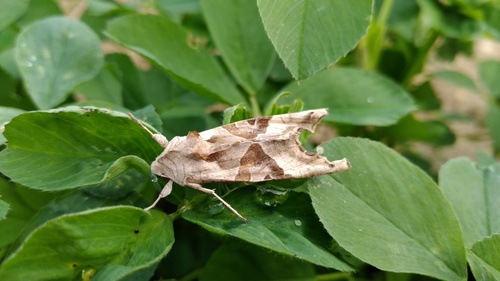
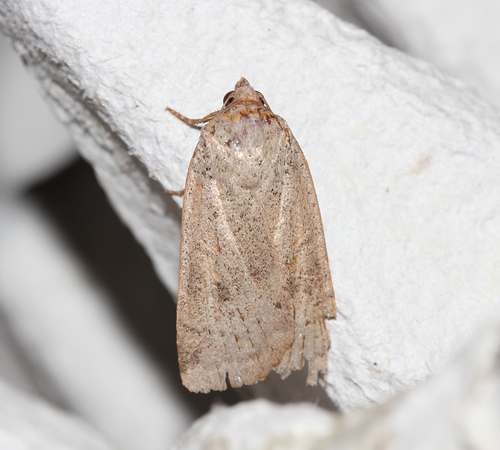
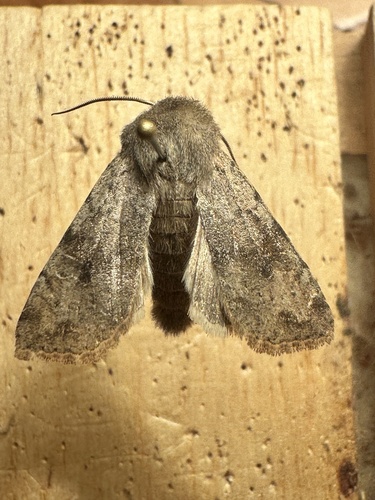
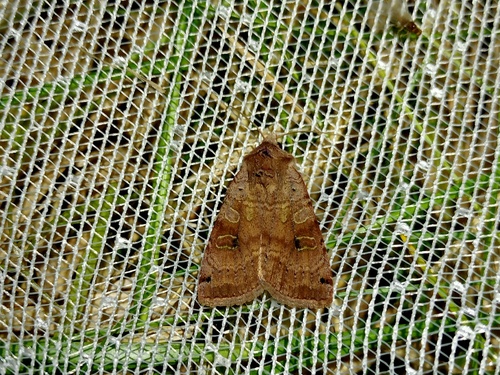
Eugnorisma depuncta

Daily sighting probability ~10% · With luck
at Cairngorms National Park

In 3 days ~30% in a week ~50%

27 Verified sightings at Cairngorms National Park From 2019 to 2026
27 In 1 park
August Best month
☀️ Diurnal When it's spotted

About the Plain Clay

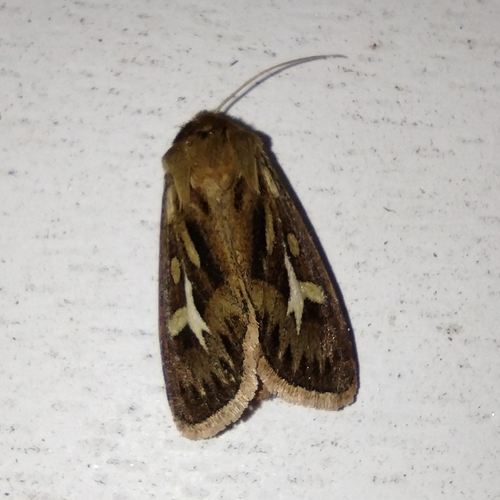
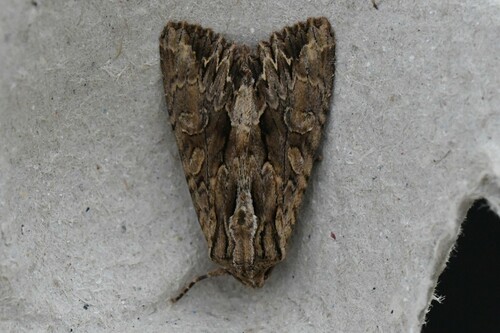
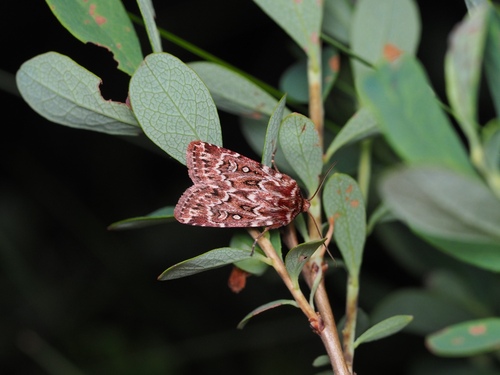
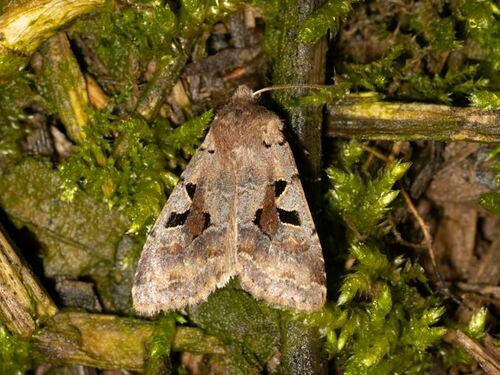
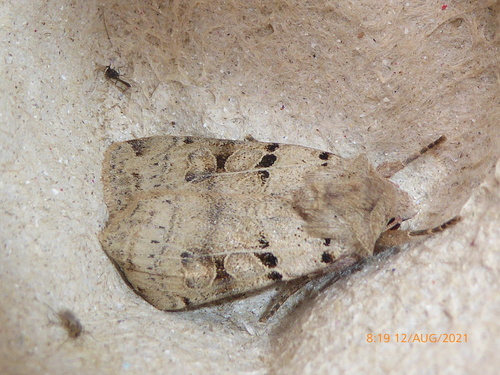
Eugnorisma depuncta, the plain clay, is a moth of the family Noctuidae. The species was first described by Carl Linnaeus in 1761. It is found in most of Europe, west to England, north to Scotland and Fennoscandia, south to southern France, Italy, Sicily and Greece, east up to the Caucasus. It is not present in northern France, the Benelux or parts of western Germany.

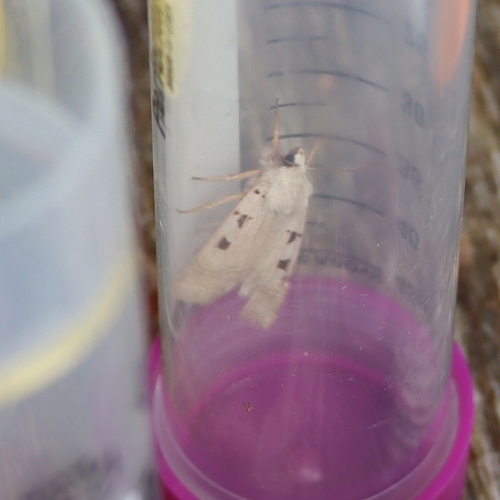
The wingspan is 34–44 mm. Meyrick describes it thus: Antennae in male ciliated. Forewings light ochreous-brown; subbasal line anteriorly black-edged; first line black-edged posteriorly except towards dorsum; second partly dark-edged, on costa anteriorly blackish-edged; orbicular and reniform finely pale-edged, space between them and before orbicular browner; subterminal line anteriorly darker-edged. Hindwings fuscous, darker posteriorly. Larva dull brown; a dorsal series of diamonds darker-outlined; spiracular sufFusedly darker, spiracles white, dark-edged; subspiracular ochreous-whitish; head light brown, darker-marked.

Adults are on wing from July to September depending on the location. The larvae feed on Pulmonaria mollis, Lamium, Vaccinium myrtillus and Urtica dioica. Wikipedia →
Global Distribution

Parks Where Found

# Park Country Daily sighting probability
1 Cairngorms National Park 🇬🇧 United Kingdom
~10%

More parks will be added in future updates.

Cities Where Found

# City Country Daily sighting probability
1 Vienna 🇦🇹 Austria
<5%

Before you go

What are the chances of seeing a Plain Clay in Cairngorms National Park?

With luck

About 10% of wildlife watchers report a Plain Clay sighting in Cairngorms National Park on a given day, based on 27 verified sightings from GBIF citizen-science data from 2019 to 2026. It is the 114th most-seen of the 300 insects we can rate there. Over three days the chance rises to about 30%, and over a week to about 50%, if each day is a fresh chance.

When is the best time to see a Plain Clay in Cairngorms National Park?

August

In that month about 20% of wildlife watchers report a Plain Clay in Cairngorms National Park on a given day, against under 5% in September to June, the lowest months.

What time of day is best to see a Plain Clay?

Between 8 and 11 am

Across all the parks we cover, that three-hour window holds the most Plain Clay sightings with a recorded time, and nearly all of them come between 6 am and 6 pm: it is a daytime animal.

Where else can you see a Plain Clay?

Only Cairngorms National Park, in our data

Cairngorms National Park is the only park on Wallace's Line with enough records to rate Plain Clay sightings: about 10% of wildlife watchers there report one on a given day.

Where does the Plain Clay sighting chance come from?

GBIF citizen-science records

It is estimated from how often the Plain Clay is recorded against all the insects logged in Cairngorms National Park (27 verified sightings from 2019 to 2026), calibrated against known sighting rates. Figures are rounded to the nearest 10% because citizen-science data supports honest approximations, not decimals, and months with records from fewer than five people show "—". How it works.

← Back to Cairngorms National Park