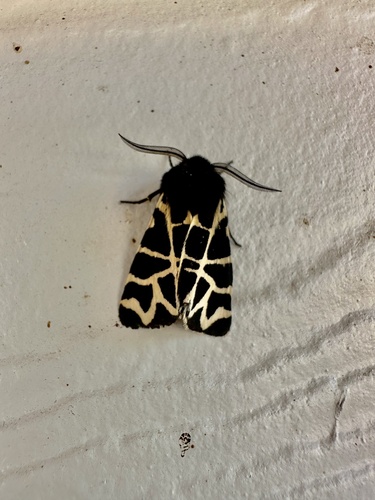
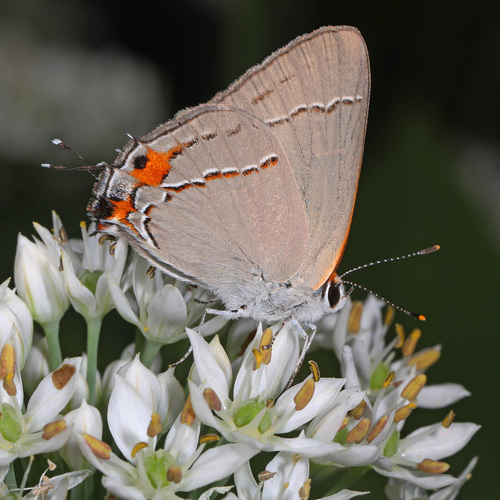
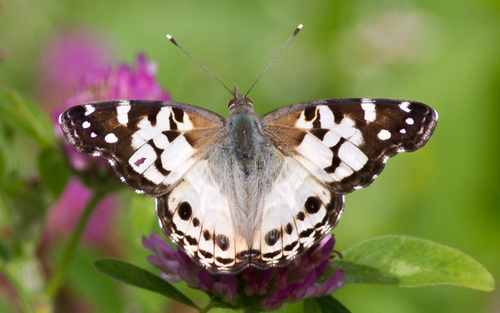
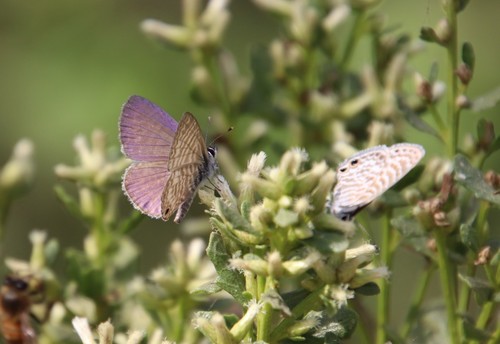
Western Tussock Moth

Western Tussock Moth

Orgyia vetusta

Daily sighting probability ~10% · With luck
at Channel Islands National Park

In 3 days ~20% in a week ~40%

13 Verified sightings at Channel Islands National Park From 2019 to 2026
13 In 1 park
May Best month
☀️ Diurnal When it's spotted

About the Western Tussock Moth

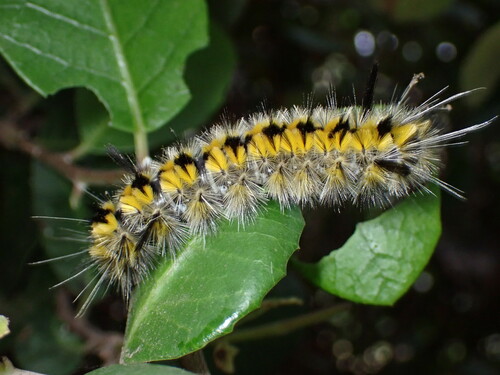
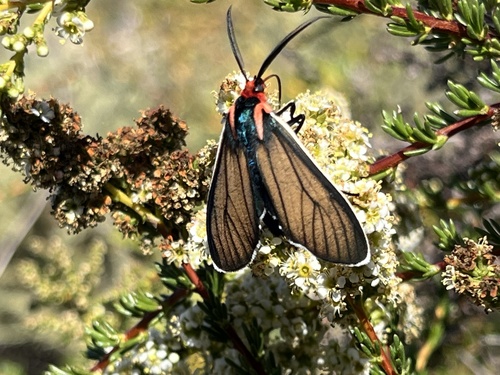
Orgyia vetusta, also known as the western tussock moth, formerly Hemerocampa vetusta, is a moth found in the Pacific States and British Columbia. The species is dimorphic; the females are flightless. The Western tussock moth is reported on virtually all California oak species as well as various fruit and nut trees, ceanothus, hawthorn, manzanita, pyracantha, toyon, walnut, and willow. There is an isolated population in Boise County, Idaho. This species has also been seen in U.S. gulf coast states such as Louisiana..

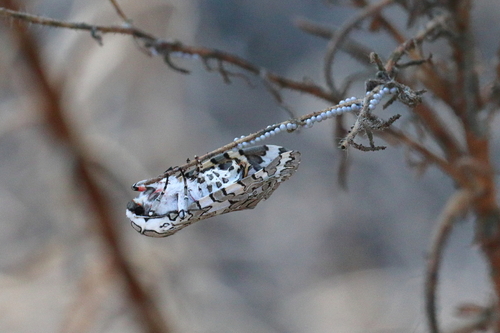
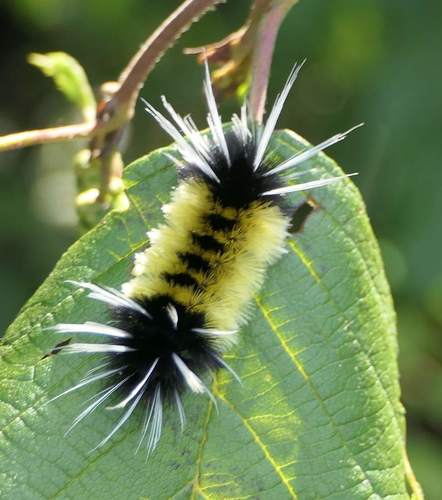
Tussock moth eggs are white and are laid in a mass, which overwinters. The female covers the eggs with setae. The caterpillars emerge in early spring (February-May) and exhibit minimal disperse via ballooning, a process by while caterpillars hang from silk threads and are spread by wind. This is also observed in other species within the family Erebidae, such as Lymantria dispar dispar. Larvae have hairs that may cause minor skin irritation or allergic reactions in humans. Adults emerge from cocoons between June and August.

Tussock moth caterpillars can cause damage to citrus orchards in Southern California.... Wikipedia →
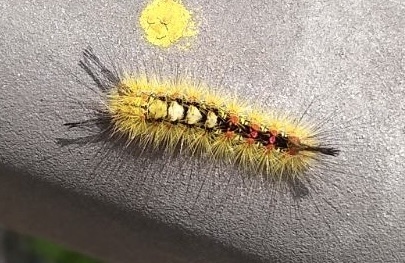
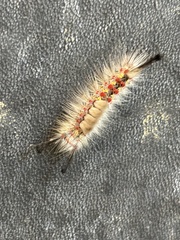
Global Distribution

Parks Where Found

# Park Country Daily sighting probability
1 Channel Islands National Park 🇺🇸 United States
~10%

More parks will be added in future updates.

Cities Where Found

# City Country Daily sighting probability
1 San Diego 🇺🇸 United States
~10%
2 San Francisco 🇺🇸 United States
~10%
3 Sacramento 🇺🇸 United States
<5%
4 Los Angeles 🇺🇸 United States
<5%

Before you go

What are the chances of seeing a Western Tussock Moth in Channel Islands National Park?

With luck

About 10% of wildlife watchers report a Western Tussock Moth sighting in Channel Islands National Park on a given day, based on 13 verified sightings from GBIF citizen-science data from 2019 to 2026. It is the 63rd most-seen of the 131 insects we can rate there. Over three days the chance rises to about 20%, and over a week to about 40%, if each day is a fresh chance.

When is the best time to see a Western Tussock Moth in Channel Islands National Park?

May

In that month about 20% of wildlife watchers report a Western Tussock Moth in Channel Islands National Park on a given day, against under 5% in August to February, the lowest months. That is one of Channel Islands National Park's driest months, with almost no rain against 60 mm in January.

What time of day is best to see a Western Tussock Moth?

Between noon and 3 pm

Across all the parks we cover, that three-hour window holds the most Western Tussock Moth sightings with a recorded time, and about 9 in 10 of them come between 6 am and 6 pm: it is a daytime animal.

Where else can you see a Western Tussock Moth?

Only Channel Islands National Park, in our data

Channel Islands National Park is the only park on Wallace's Line with enough records to rate Western Tussock Moth sightings: about 10% of wildlife watchers there report one on a given day.

Which relatives of the Western Tussock Moth live in Channel Islands National Park?

Same family: Erebidae

The closest relatives of the Western Tussock Moth that you can see in Channel Islands National Park (family Erebidae, Underwing, Tiger, Tussock, and Allied Moths) are Salt Marsh Moth (about 30%), Lophocampa indistincta (about 30%) and Painted Tiger Moth (about 20%), with each one's daily chance of a sighting.

Where does the Western Tussock Moth sighting chance come from?

GBIF citizen-science records

It is estimated from how often the Western Tussock Moth is recorded against all the insects logged in Channel Islands National Park (13 verified sightings from 2019 to 2026), calibrated against known sighting rates. Figures are rounded to the nearest 10% because citizen-science data supports honest approximations, not decimals, and months with records from fewer than five people show "—". How it works.

← Back to Channel Islands National Park