Zapata Wren

Zapata Wren

Ferminia cerverai

Silhouette: Matt Wilkins · PhyloPic

LCNTVUENEndangeredCR Endemic
Daily sighting probability ~40% · Likely
at Ciénaga de Zapata

In 3 days ~70% in a week >90%

522 Verified sightings at Ciénaga de Zapata From 2019 to 2026
522 In 1 park
March Best month
☀️ Diurnal When it's spotted

About the Zapata Wren

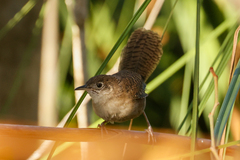
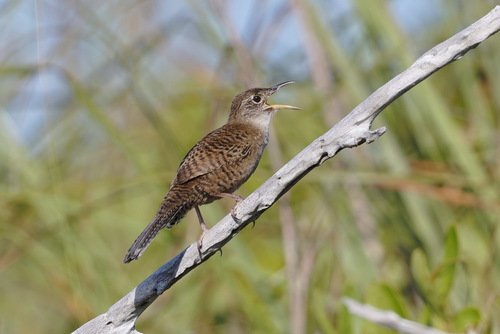
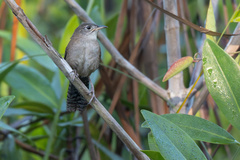
The Zapata wren (Ferminia cerverai) is a medium-sized grayish-brown bird that lives in dense shrubs of the Zapata Swamp, Cuba. It is the only member of the monotypical genus Ferminia, which is endemic to Cuba and endangered. This species was first described in 1926 by Thomas Barbour and named after its co-discoverer, Fermín Zanón Cervera.

Measuring about 16 centimetres (6.3 in) in length, it is brown overall, though striped with black and with grayish underparts. Its tail is long. The bird's song is similar to that of the house wren, in that it is high-pitched and loud, described as a "musical warble preceded by guttural note, given in series of three or four phrases."

The Zapata wren is confined and endemic to the Zapata Peninsula of southern Cuba. The Zapata wren's habitat is typically freshwater marsh and lowland savanna with scattered bushes and low trees. It feeds on insects, spiders, small snails, lizards and berries. The wren typically makes its nest in sawgrass tussocks. It is thought to breed between January and July.

Typical threats are fires in the dry season, drainage of the wetlands, destruction due to agriculture, and predation... Wikipedia →
Sounds

Call0:33

Cuba · 2025

© FREDERIC Lionel · XC994878 · CC BY-NC-SA 4.0

Song0:51

Cuba · 2022

© Matt Slaymaker · XC709687 · CC BY-NC-SA 4.0

Alarm call0:06

Cuba · 2017

© Gerard Gorman · XC363063 · CC BY-NC-SA 4.0

Global Distribution

Parks Where Found

# Park Country Daily sighting probability
1 Ciénaga de Zapata 🇨🇺 Cuba
~40%

More parks will be added in future updates.

Before you go

What are the chances of seeing a Zapata Wren in Ciénaga de Zapata?

Likely

About 40% of wildlife watchers report a Zapata Wren sighting in Ciénaga de Zapata on a given day, based on 522 verified sightings from GBIF citizen-science data from 2019 to 2026. It is the 31st most-seen of the 177 birds we can rate there. Over three days the chance rises to about 70%, and over a week to over 90%, if each day is a fresh chance.

When is the best time to see a Zapata Wren in Ciénaga de Zapata?

March

In that month about 50% of wildlife watchers report a Zapata Wren in Ciénaga de Zapata on a given day, against about 20% in July, the lowest month. That is one of Ciénaga de Zapata's driest months, with about 20 mm of rain against 150 mm in June. September has too few records to rate.

What time of day is best to see a Zapata Wren?

Between 6 and 9 am

Across all the parks we cover, that three-hour window holds the most Zapata Wren sightings with a recorded time, and about 8 in 10 of them come between 6 am and 6 pm: it is a daytime animal.

Where else can you see a Zapata Wren?

Only Ciénaga de Zapata, in our data

Ciénaga de Zapata is the only park on Wallace's Line with enough records to rate Zapata Wren sightings: about 40% of wildlife watchers there report one on a given day.

Which relatives of the Zapata Wren live in Ciénaga de Zapata?

Same order: Passeriformes

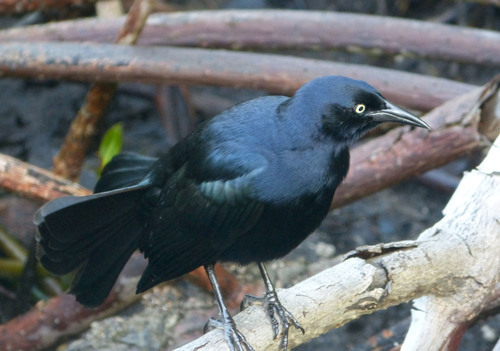
The closest relatives of the Zapata Wren that you can see in Ciénaga de Zapata (order Passeriformes, Perching Birds) are American Redstart (about 60%), Palm Warbler (about 60%) and Greater Antillean Grackle (about 50%), with each one's daily chance of a sighting.

Where does the Zapata Wren sighting chance come from?

GBIF citizen-science records

It is estimated from how often the Zapata Wren is recorded against all the birds logged in Ciénaga de Zapata (522 verified sightings from 2019 to 2026), calibrated against known sighting rates. Figures are rounded to the nearest 10% because citizen-science data supports honest approximations, not decimals, and months with records from fewer than five people show "—". How it works.

← Back to Ciénaga de Zapata