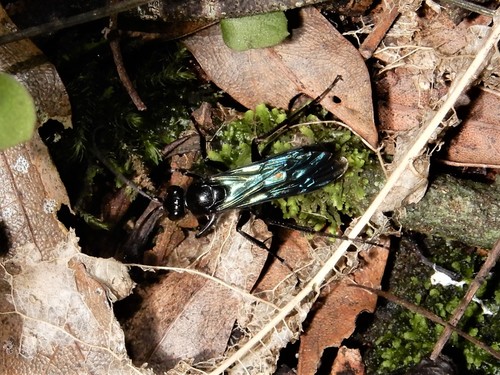

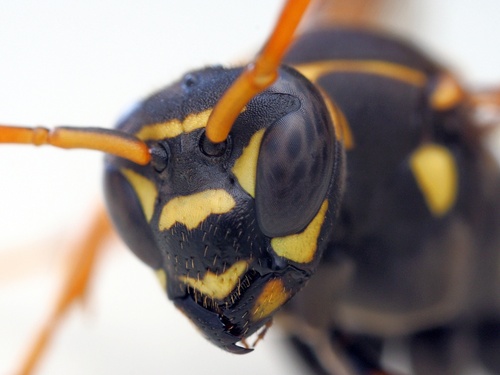
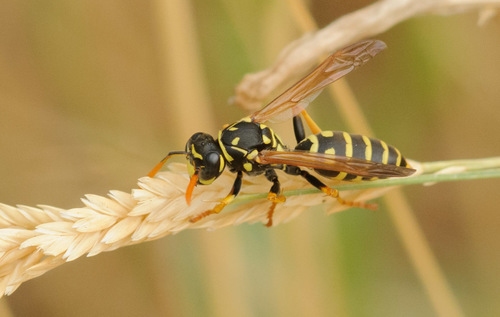
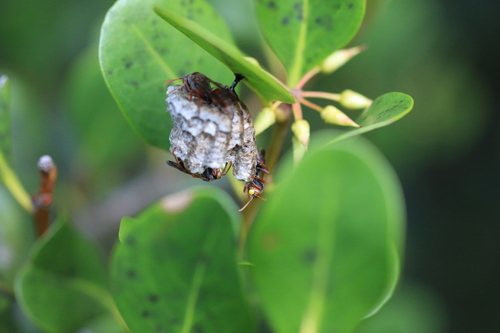
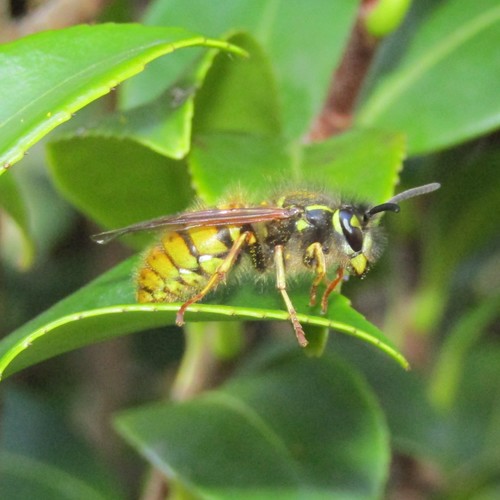
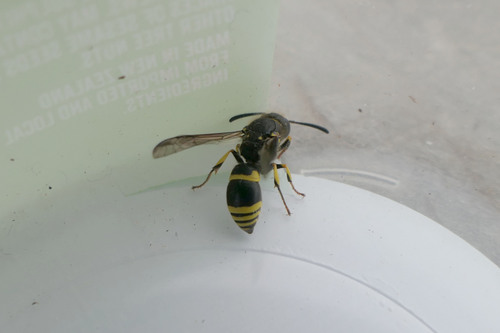
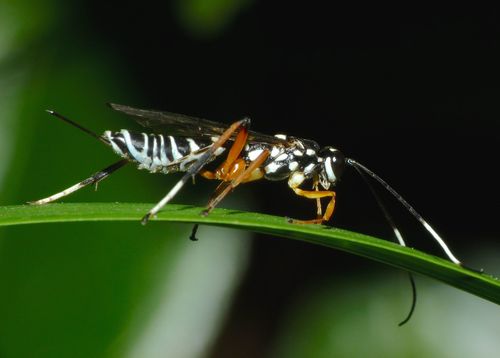
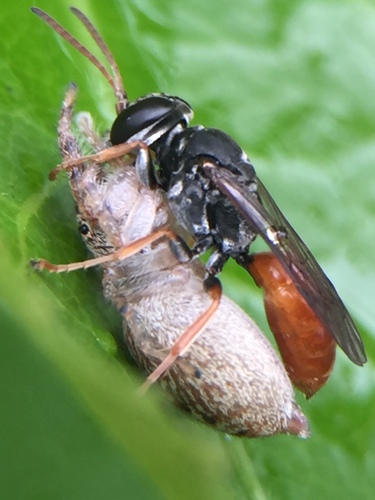
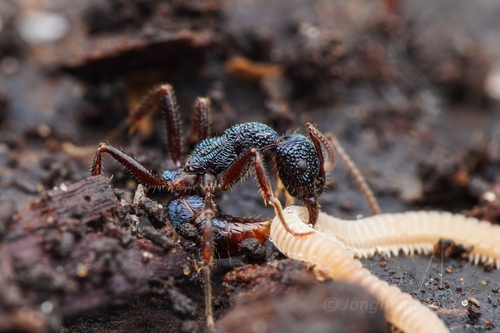
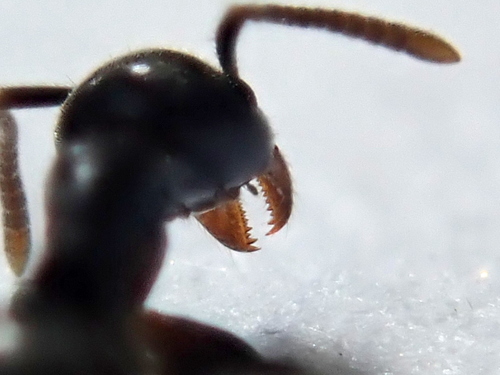
Priocnemis monachus

Priocnemis monachus

Priocnemis monachus

Endemic
Daily sighting probability <5% · Rare
at Auckland

In 3 days ~10% in a week ~20%

6 Verified sightings at Auckland
13 In all 2 parks From 2019 to 2026
October Best month
☀️ Diurnal When it's spotted

About the Priocnemis monachus

Priocnemis monachus is a species of spider wasp endemic to New Zealand, where it is known as the black hunting wasp or ngaro wīwī. It hunts large tunnelweb or trapdoor spiders, paralysing them with its sting and storing them in burrows for its larvae to eat alive. It is the largest member of the family Pompilidae in New Zealand.

The holotype of this species was collected by Joseph Dalton Hooker, and is in the Banks collection of the British Museum of Natural History. It is one of a number of species named but not described by Adam White, and intended to appear in the series Voyage of the Erebus and Terror, but not in fact being published there. In error, Frederick Smith in 1855 attributed the species to White, but Smith's listing of it as Pompilus monachus in his Catalogue of hymenopterous insects in the British Museum is the first published description. In the years following its description, the species has been placed in the genera Pompilus, Salius, Trichocurgus, and Chirodamus, but in Anthony Harris's 1987 revision of New Zealand pompilids he assigned it to Priocnemis, subgenus Trichocurgus.

This species is known as the black hunting wasp or large black... Wikipedia →

Global Distribution

Parks Where Found

# Park Country Daily sighting probability
1 Egmont National Park 🇳🇿 New Zealand
~10%
2 Rakiura National Park 🇳🇿 New Zealand
~10%

Cities Where Found

# City Country Daily sighting probability
1 Auckland 🇳🇿 New Zealand
<5%

Before you go

What are the chances of seeing a Priocnemis monachus in Auckland?

Rare

Under 5% of wildlife watchers report a Priocnemis monachus sighting in Auckland on a given day, based on 6 verified sightings from GBIF citizen-science data. It is the 574th most-seen of the 689 insects we can rate there. Over three days the chance rises to about 10%, and over a week to about 20%, if each day is a fresh chance.

When is the best time to see a Priocnemis monachus in Auckland?

October and November

In those months about 10% of wildlife watchers report a Priocnemis monachus in Auckland on a given day, against under 5% in December to September, the lowest months.

What time of day is best to see a Priocnemis monachus?

Between 10 am and 1 pm

Across all the parks we cover, that three-hour window holds the most Priocnemis monachus sightings with a recorded time, and about 7 in 10 of them come between 6 am and 6 pm: it is a daytime animal.

Where else can you see a Priocnemis monachus?

Only Auckland, in our data

Auckland is the only city on Wallace's Line with enough records to rate Priocnemis monachus sightings: under 5% of wildlife watchers there report one on a given day.

Which relatives of the Priocnemis monachus live in Auckland?

Same order: Hymenoptera

The closest relatives of the Priocnemis monachus that you can see in Auckland (order Hymenoptera, Ants, Bees, Wasps, and Sawflies) are Buff-Tailed Bumble Bee (about 30%), Asian Paper Wasp (about 20%) and European Paper Wasp (about 20%), with each one's daily chance of a sighting.

Where does the Priocnemis monachus sighting chance come from?

GBIF citizen-science records

It is estimated from how often the Priocnemis monachus is recorded against all the insects logged in Auckland (6 verified sightings), calibrated against known sighting rates. Figures are rounded to the nearest 10% because citizen-science data supports honest approximations, not decimals, and months with records from fewer than five people show "—". How it works.

← Back to Auckland