Melon Fly

Melon Fly

Bactrocera cucurbitae

Daily sighting probability <5% · Rare
at Bengaluru

In 3 days ~10% in a week ~30%

12 Verified sightings at Bengaluru
October Best month

About the Melon Fly

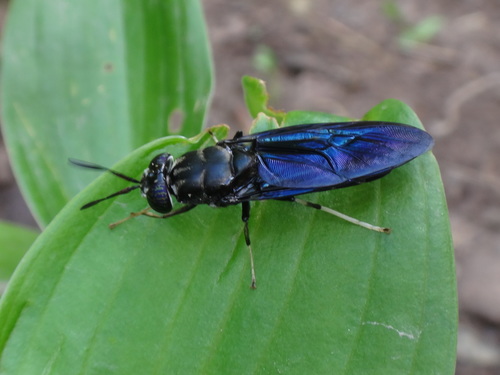
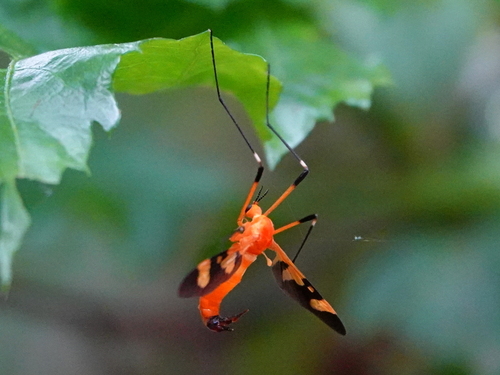
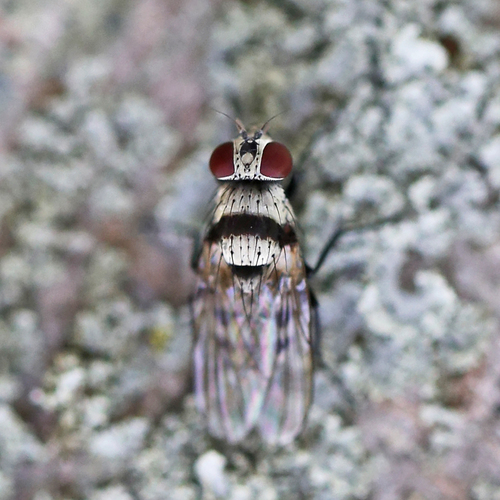
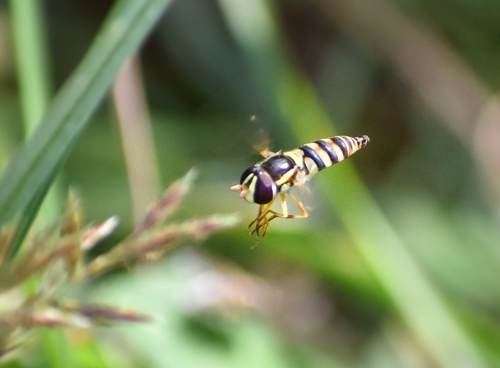
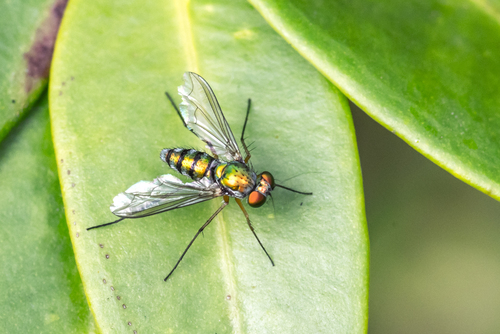
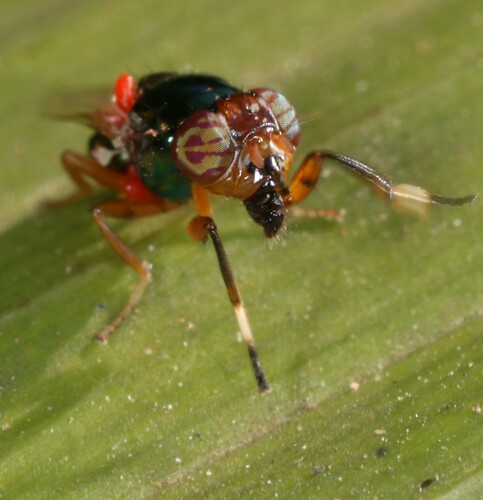
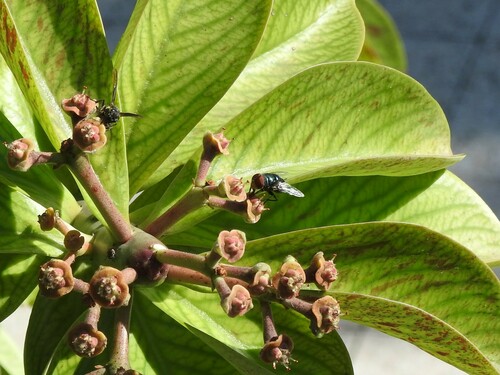
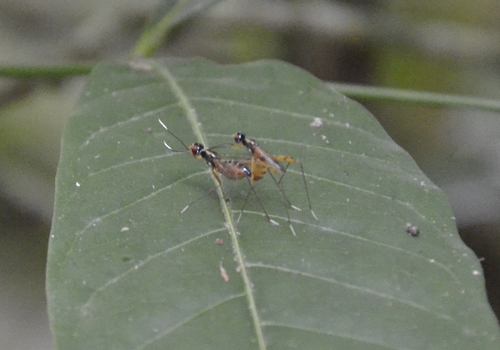
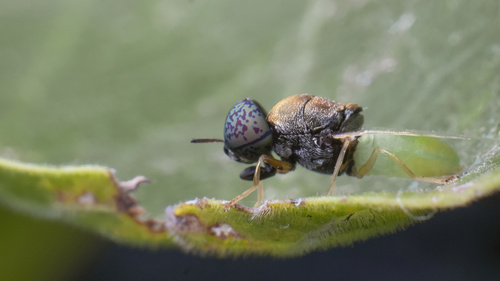
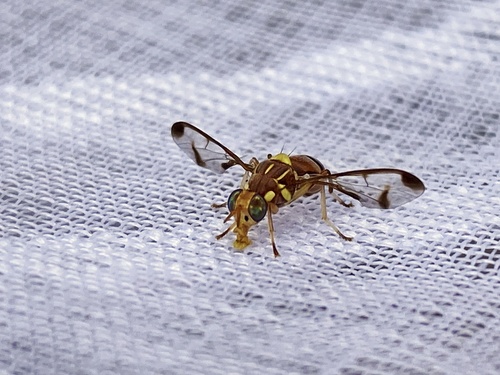
Zeugodacus cucurbitae, the melon fly, is a fruit fly of the family Tephritidae. It is a serious agricultural pest, particularly in Hawaii. The adult melon fly is 6 to 8 mm in length. Distinctive characteristics include its wing pattern, its long third antennal segment, the reddish yellow dorsum of the thorax with light yellow markings, and the yellowish head with black spots.

The egg is elliptical, about 2 mm long, and pure white. It is almost flat on the ventral surface, and more convex on the dorsal. Eggs are often somewhat longitudinally curved. The larva is a cylindrical-maggot shape, elongated, with the anterior end narrowed a somewhat curved ventrally. It has anterior mouth hooks, ventral fusiform areas and a flattened caudal end. Last instar larvae range from 7.5 to 11.8 mm in length.

The puparium ranges in color from dull red or brownish yellow to dull white, and is about 5 to 6 mm in length. Development period from egg to adult ranges from 12 to 28 days. The female may lay as many as 1,000 eggs. Eggs are generally laid in young fruit 2-4mm deep, but are also laid in the succulent stems... Wikipedia →
Global Distribution

Parks Where Found

# Park Country Daily sighting probability

More parks will be added in future updates.

Cities Where Found

# City Country Daily sighting probability
1 Dhaka 🇧🇩 Bangladesh
~10%
2 Hyderabad 🇮🇳 India
~10%
3 Bengaluru 🇮🇳 India
<5%

Before you go

What are the chances of seeing a Melon Fly in Bengaluru?

Rare

Under 5% of wildlife watchers report a Melon Fly sighting in Bengaluru on a given day, based on 12 verified sightings from GBIF citizen-science data. It is the 257th most-seen of the 477 insects we can rate there. Over three days the chance rises to about 10%, and over a week to about 30%, if each day is a fresh chance.

When is the best time to see a Melon Fly in Bengaluru?

August and October–November

In those months about 10% of wildlife watchers report a Melon Fly in Bengaluru on a given day, against under 5% in September and December–July, the lowest months. Those are among Bengaluru's wettest months, with about 100 mm of rain a month against almost none in January.

Is Bengaluru the best place to see a Melon Fly?

3rd of 3

Of the 3 cities where we can rate Melon Fly sightings, Bengaluru ranks 3rd at under 5%. The best odds are in Dhaka (Bangladesh, about 10%) and Hyderabad (India, about 10%).

Where does the Melon Fly sighting chance come from?

GBIF citizen-science records

It is estimated from how often the Melon Fly is recorded against all the insects logged in Bengaluru (12 verified sightings), calibrated against known sighting rates. Figures are rounded to the nearest 10% because citizen-science data supports honest approximations, not decimals, and months with records from fewer than five people show "—". How it works.

← Back to Bengaluru