Ischnura chingaza silhouette

Silhouette: Lisa Nicvert · PhyloPic

Daily sighting probability <5% · Rare
at Bogota

In 3 days ~10% in a week ~20%

5 Verified sightings at Bogota
April Best month

About the Ischnura chingaza

Ischnura chingaza is a species of damselfly in the genus Ischnura, of the family Coenagrionidae, endemic to the Eastern Ranges of the Colombian Andes. It was first described by Emilio Realpe in 2010. Ischnura chingaza is named after the Chingaza National Natural Park, where the species has been found.

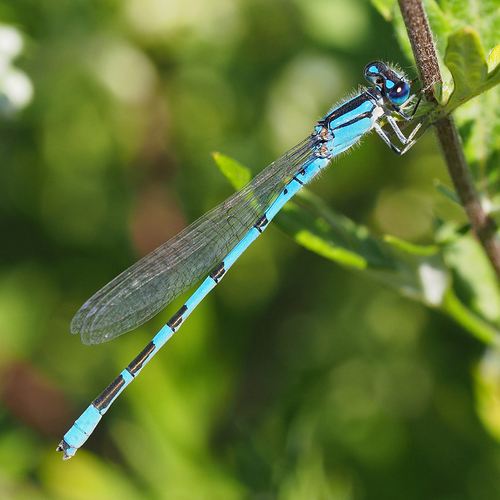
Ischnura chingaza is a yellow-green to green species of damselfly with a total length of 25.5 to 26 millimetres (1.00 to 1.02 in). The back part of the head is light yellow. The labia are white. The male samples described have black with light yellow compound eyes, while the eyes females are black with light blue.

A study published in 2012 describes the behaviour of the larvae in a pond located in Cogua, Cundinamarca at an altitude of 2,842 metres (9,324 ft) and an average temperature of 14 °C (57 °F). The eggs of Ischnura chingaza are oval in shape with a length of 0.89 millimetres (0.035 in) and a width of 0.18 millimetres (0.0071 in). The egg stage of the species ranged from two weeks to one month. The average larvae stage was 258.2 days, longer than of other species of Ischnura.

The species occurs in and near the grasslands and páramo... Wikipedia →

Global Distribution

Parks Where Found

# Park Country Daily sighting probability

More parks will be added in future updates.

Cities Where Found

# City Country Daily sighting probability
1 Bogota 🇨🇴 Colombia
<5%

Before you go

What are the chances of seeing an Ischnura chingaza in Bogota?

Rare

Under 5% of wildlife watchers report an Ischnura chingaza sighting in Bogota on a given day, based on 5 verified sightings from GBIF citizen-science data. It is the 88th most-seen of the 101 insects we can rate there. Over three days the chance rises to about 10%, and over a week to about 20%, if each day is a fresh chance.

When is the best time to see an Ischnura chingaza in Bogota?

April

In that month about 10% of wildlife watchers report an Ischnura chingaza in Bogota on a given day, against under 5% in May to March, the lowest months. That is one of Bogota's wettest months, with about 210 mm of rain against 45 mm in January.

Where else can you see an Ischnura chingaza?

Only Bogota, in our data

Bogota is the only city on Wallace's Line with enough records to rate Ischnura chingaza sightings: under 5% of wildlife watchers there report one on a given day.

Where does the Ischnura chingaza sighting chance come from?

GBIF citizen-science records

It is estimated from how often the Ischnura chingaza is recorded against all the insects logged in Bogota (5 verified sightings), calibrated against known sighting rates. Figures are rounded to the nearest 10% because citizen-science data supports honest approximations, not decimals, and months with records from fewer than five people show "—". How it works.

← Back to Bogota