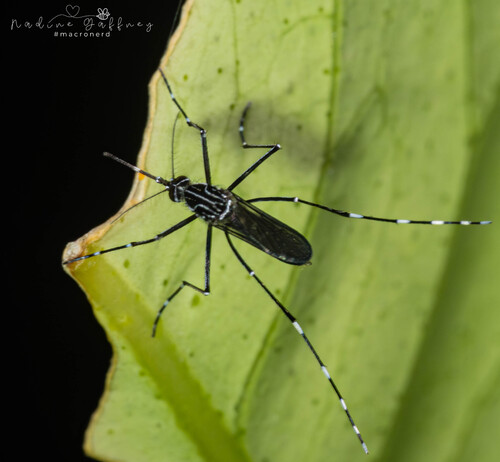
Derocephalus angusticollis

Derocephalus angusticollis

Derocephalus angusticollis

Daily sighting probability ~10% · With luck
at Brisbane

In 3 days ~20% in a week ~30%

51 Verified sightings at Brisbane
November Best month

About the Derocephalus angusticollis

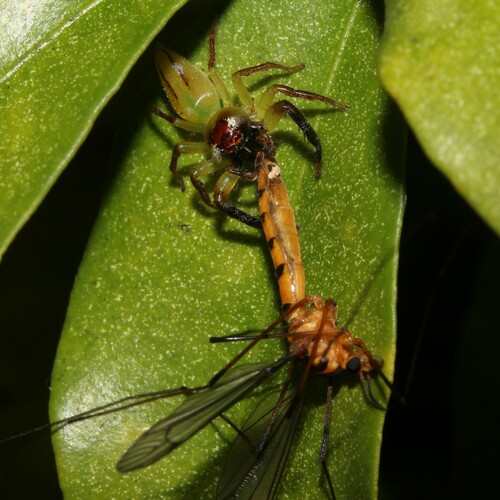
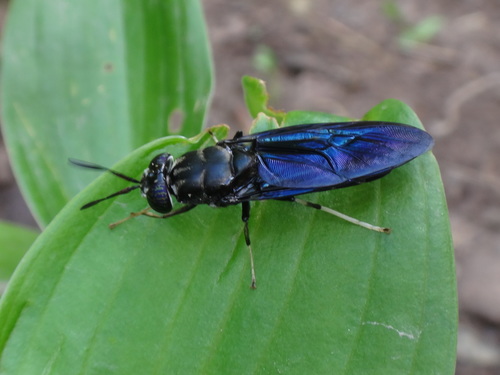
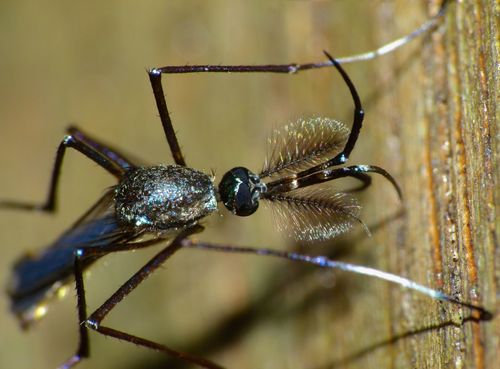
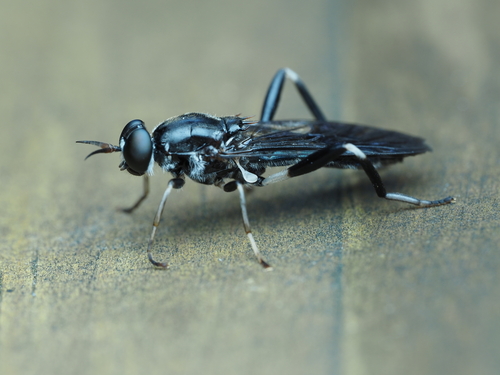
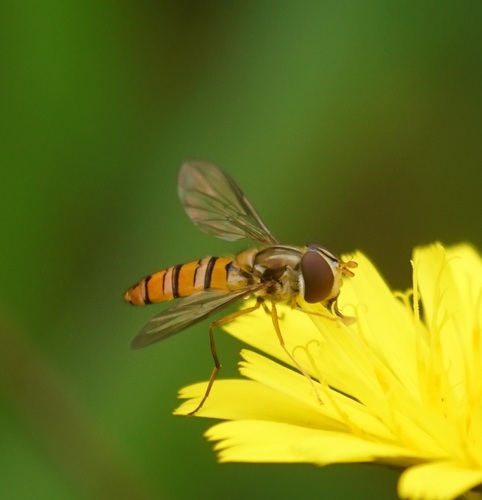
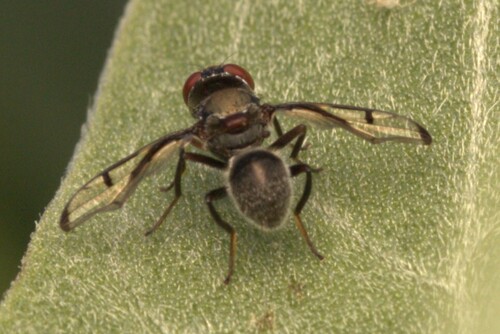
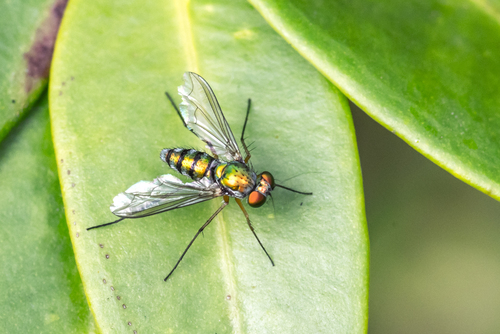
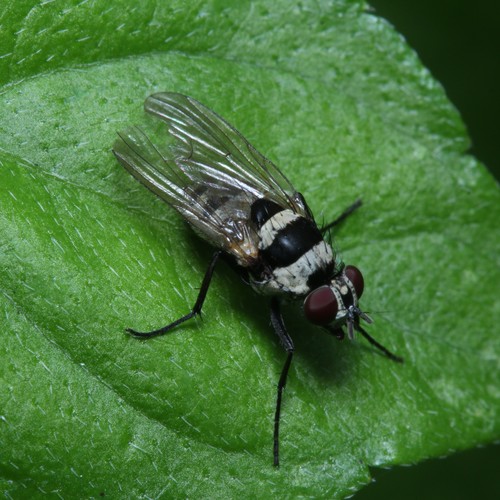
Derocephalus angusticollis is a fly in the family Neriidae. They are typically found on the east coast of Australia near rotting vegetation. Aggregating on the rotting bark of trees such as Acacia longifolia and other trees in New South Wales and southern Queensland. Derocephalus angusticollis flies found in the wild have accelerated speeds of development and age of mortality when compared to those in captivity. One characteristic of the neriid fly is that it demonstrates sexual dimorphism. Males have a larger build as well as exaggerated physical characteristics such as wider heads and longer limbs. Certain phenotypic characteristics are dependent on the diet of the parents.

Derocephalus angusticollis practices polyandrous mating behavior. Males take part in the practice of mate guarding where they use their legs to keep hold of the female during copulation and to push competing males away. Sexual conflict can be found in this fly as females have coiled oviducts that lead to their spermathecae. In order for the male to reach the spermathecae to deposit their sperm, antagonistic coevolution of the males having a flexible aedeagus occurred.

Like other flies within Neriidae... Wikipedia →

Global Distribution

Parks Where Found

# Park Country Daily sighting probability

More parks will be added in future updates.

Cities Where Found

# City Country Daily sighting probability
1 Brisbane 🇦🇺 Australia
~10%
2 Sydney 🇦🇺 Australia
<5%

Before you go

What are the chances of seeing a Derocephalus angusticollis in Brisbane?

With luck

About 10% of wildlife watchers report a Derocephalus angusticollis sighting in Brisbane on a given day, based on 51 verified sightings from GBIF citizen-science data. It is the 241st most-seen of the 1083 insects we can rate there. Over three days the chance rises to about 20%, and over a week to about 30%, if each day is a fresh chance.

When is the best time to see a Derocephalus angusticollis in Brisbane?

May and July–December

In those months about 10% of wildlife watchers report a Derocephalus angusticollis in Brisbane on a given day, against under 5% in January–April and June, the lowest months.

Is Brisbane the best place to see a Derocephalus angusticollis?

Yes

Of the 2 cities where we can rate Derocephalus angusticollis sightings, Brisbane has the highest daily chance: about 10%. Next come Sydney (Australia, under 5%).

Where does the Derocephalus angusticollis sighting chance come from?

GBIF citizen-science records

It is estimated from how often the Derocephalus angusticollis is recorded against all the insects logged in Brisbane (51 verified sightings), calibrated against known sighting rates. Figures are rounded to the nearest 10% because citizen-science data supports honest approximations, not decimals, and months with records from fewer than five people show "—". How it works.
← Back to Brisbane