Lesser Coconut Weevil

Lesser Coconut Weevil

Diocalandra frumenti

Daily sighting probability <5% · Rare
at Brisbane

In 3 days ~10% in a week ~20%

12 Verified sightings at Brisbane
December Best month

About the Lesser Coconut Weevil

Diocalandra frumenti, commonly known as the palm weevil borer, the lesser coconut weevil, or four-spotted coconut weevil, is a species of weevil in the family Curculionidae. It occurs in Africa, Southern Asia and Northern Australia, and is a pest of coconut and other palm trees.

Diocalandra frumenti is found in Somalia, Tanzania, Madagascar, the Seychelles, Mauritius, India, Sri Lanka, Bangladesh, Myanmar, Malaysia, Singapore, Indonesia, the Philippines, Japan, Taiwan, Papua New Guinea, various Pacific island groups and Australia. It has also been recorded in the Canary Islands. Although infesting a number of species of palm, it is a major pest of coconut (Cocos nucifera), oil palm (Elaeis guineensis), Canary Island date palm (Phoenix canariensis), date palm (Phoenix dactylifera), California fan palm (Washingtonia filifera) and Mexican fan palm (Washingtonia robusta).

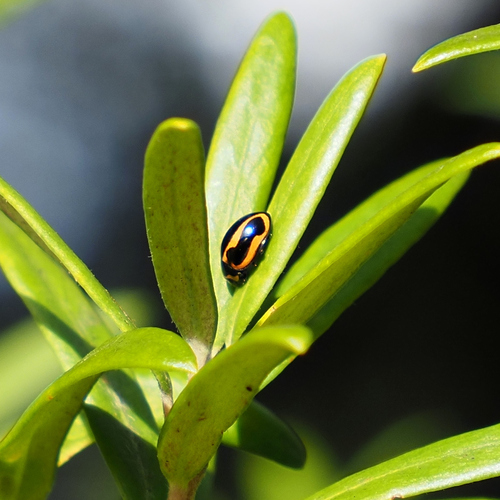
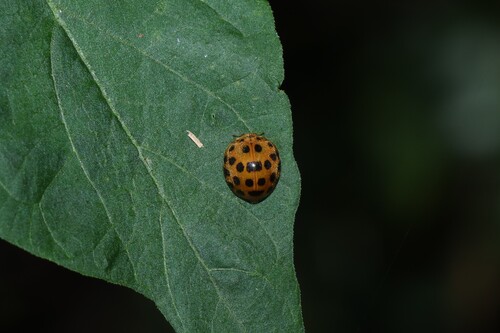
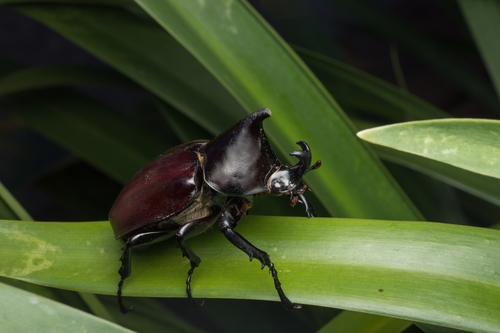
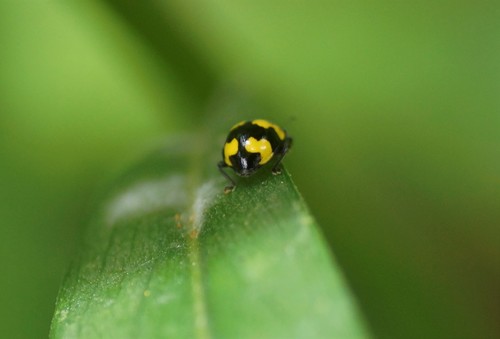
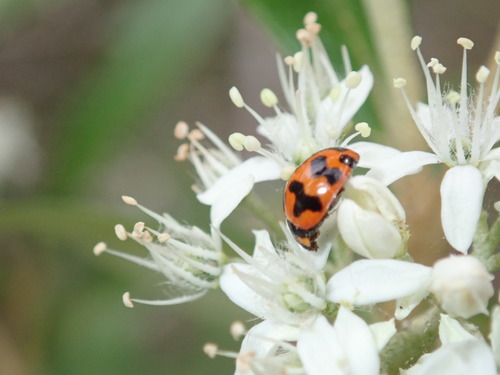
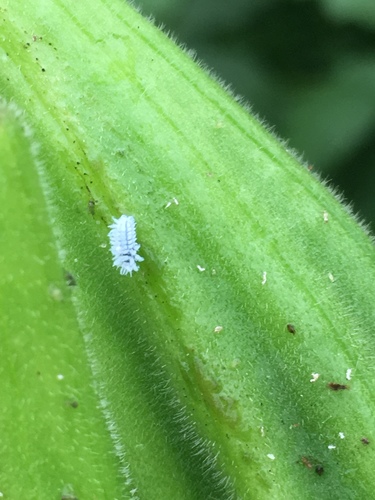
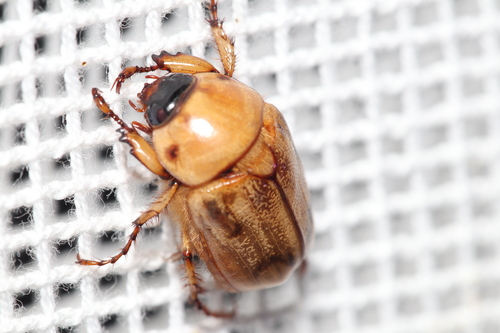
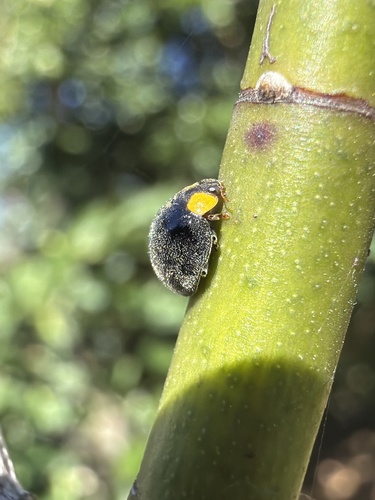
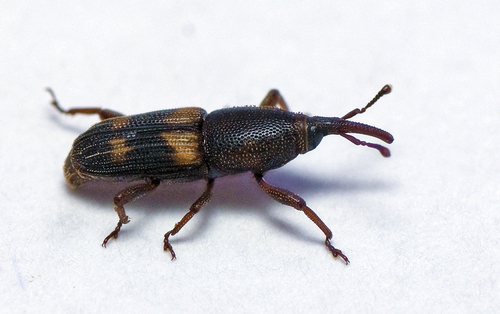
The adult Diocalandra frumenti is about 7 mm (0.3 in) long. It is a glossy black colour with four large rusty-brown or blackish-brown coloured spots on the elytra (wing covers). The female lays eggs in crevices in the stems of palms which hatch in about a week. The larvae bore into... Wikipedia →
Global Distribution

Parks Where Found

# Park Country Daily sighting probability

More parks will be added in future updates.

Cities Where Found

# City Country Daily sighting probability
1 Brisbane 🇦🇺 Australia
<5%

Before you go

What are the chances of seeing a Lesser Coconut Weevil in Brisbane?

Rare

Under 5% of wildlife watchers report a Lesser Coconut Weevil sighting in Brisbane on a given day, based on 12 verified sightings from GBIF citizen-science data. It is the 636th most-seen of the 1083 insects we can rate there. Over three days the chance rises to about 10%, and over a week to about 20%, if each day is a fresh chance.

When is the best time to see a Lesser Coconut Weevil in Brisbane?

December and January

In those months about 10% of wildlife watchers report a Lesser Coconut Weevil in Brisbane on a given day, against under 5% in February to November, the lowest months. Those are among Brisbane's wettest months, with about 140 mm of rain a month against 40 mm in July.

Where else can you see a Lesser Coconut Weevil?

Only Brisbane, in our data

Brisbane is the only city on Wallace's Line with enough records to rate Lesser Coconut Weevil sightings: under 5% of wildlife watchers there report one on a given day.

Which relatives of the Lesser Coconut Weevil live in Brisbane?

Same order: Coleoptera

The closest relatives of the Lesser Coconut Weevil that you can see in Brisbane (order Coleoptera, Beetles) are Variable Ladybird Beetle (about 30%), Striped Ladybird (about 20%) and Hadda Beetle (about 20%), with each one's daily chance of a sighting.

Where does the Lesser Coconut Weevil sighting chance come from?

GBIF citizen-science records

It is estimated from how often the Lesser Coconut Weevil is recorded against all the insects logged in Brisbane (12 verified sightings), calibrated against known sighting rates. Figures are rounded to the nearest 10% because citizen-science data supports honest approximations, not decimals, and months with records from fewer than five people show "—". How it works.

← Back to Brisbane