Small Hive Beetle

Small Hive Beetle

Aethina tumida

Daily sighting probability <5% · Rare
at Brisbane

In 3 days ~10% in a week ~20%

6 Verified sightings at Brisbane
May Best month

About the Small Hive Beetle

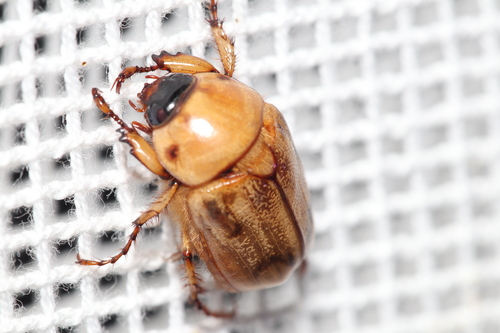
Aethina tumida, commonly known as the small hive beetle (SHB), is a beekeeping pest. It is native to sub-Saharan Africa, but has spread to many other regions, including North America, Australia, and the Philippines. The small hive beetle primarily lives within the beehive and feeds on pollen, honey, and dead bees. The colonization can cause severe damage to honeycomb, stored honey, and pollen. Beetle larvae may tunnel through combs of honey, feeding and defecating, causing discoloration and fermentation of the honey. If a beetle infestation is abundant and concentrated, they may cause bees to abandon their hive.

Small hive beetles have shown unique behavior associated with pheromones. They can sense the honeybee's alarm pheromone, which is primarily released by the host to inform the host guards about the presence of invaders. This fitness advantage improves their ability to quickly locate and colonize the honeybee hives. The host has evolved some strategies to cope with the colony damage, such as imprisonment of the invader, patrolling, and removal of beetle's eggs.

Small hive beetles can cause significant economic loss on bee colony, stored honey, and package bee production. Biological control method includes uses of fungi and fire ants. Cultural control focuses on the hygienic practice of beekeeper. Chemical control strategy includes uses of carbon disulfide, para-dichlorobenzene, and some chemical products on the market. Wikipedia →
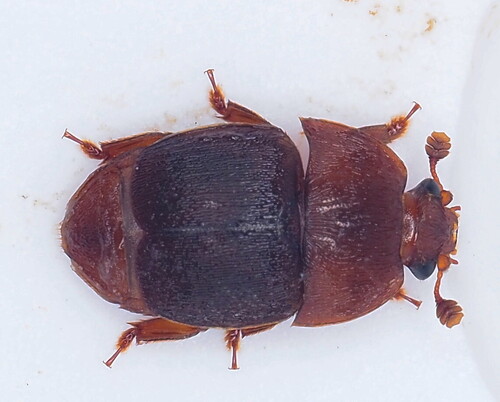
Global Distribution

Parks Where Found

# Park Country Daily sighting probability

More parks will be added in future updates.

Cities Where Found

# City Country Daily sighting probability
1 Dallas 🇺🇸 United States
<5%
2 Brisbane 🇦🇺 Australia
<5%

Before you go

What are the chances of seeing a Small Hive Beetle in Brisbane?

Rare

Under 5% of wildlife watchers report a Small Hive Beetle sighting in Brisbane on a given day, based on 6 verified sightings from GBIF citizen-science data. It is the 914th most-seen of the 1083 insects we can rate there. Over three days the chance rises to about 10%, and over a week to about 20%, if each day is a fresh chance.

When is the best time to see a Small Hive Beetle in Brisbane?

Any time of year

In every month with enough records, under 5% of wildlife watchers report a Small Hive Beetle in Brisbane on a given day, so our monthly data shows no clear season.

Is Brisbane the best place to see a Small Hive Beetle?

Among the best

Of the 2 cities where we can rate Small Hive Beetle sightings, Brisbane ranks 2nd at under 5%, level with the leaders once rounded. The best odds are in Dallas (United States, under 5%).

Which relatives of the Small Hive Beetle live in Brisbane?

Same order: Coleoptera

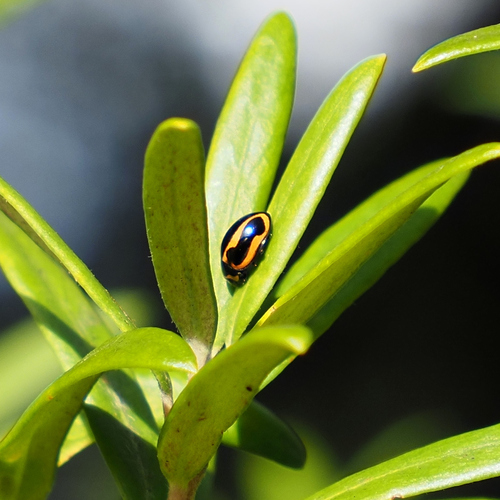
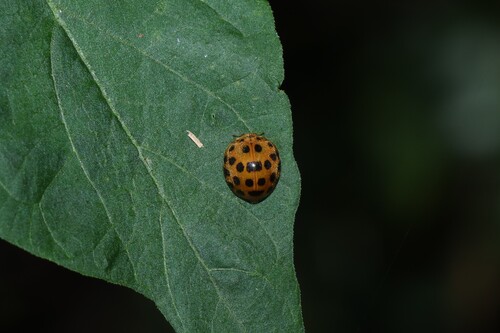
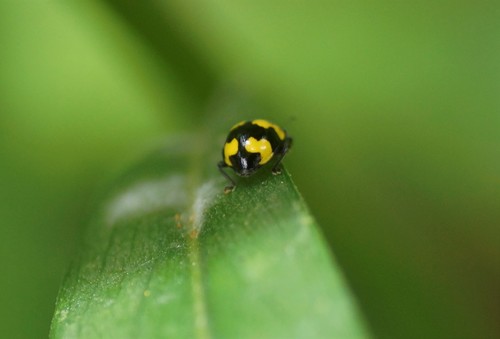
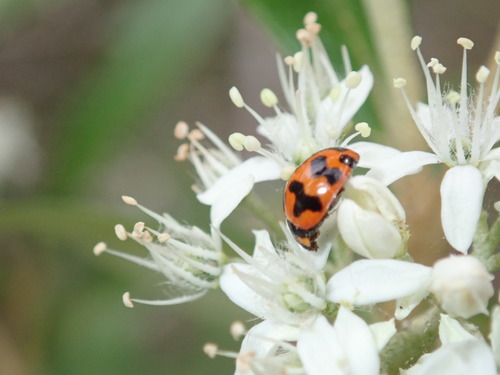
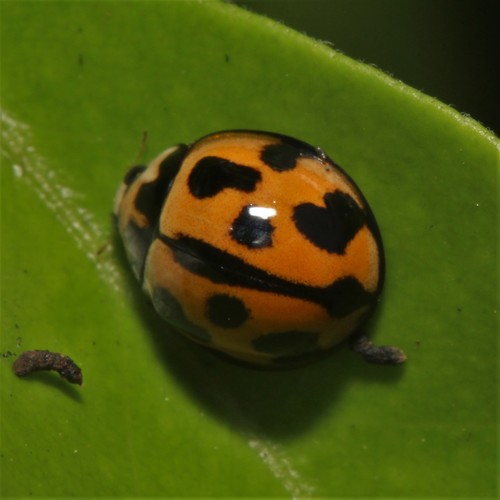
The closest relatives of the Small Hive Beetle that you can see in Brisbane (order Coleoptera, Beetles) are Variable Ladybird Beetle (about 30%), Striped Ladybird (about 20%) and Hadda Beetle (about 20%), with each one's daily chance of a sighting.

Where does the Small Hive Beetle sighting chance come from?

GBIF citizen-science records

It is estimated from how often the Small Hive Beetle is recorded against all the insects logged in Brisbane (6 verified sightings), calibrated against known sighting rates. Figures are rounded to the nearest 10% because citizen-science data supports honest approximations, not decimals, and months with records from fewer than five people show "—". How it works.

← Back to Brisbane