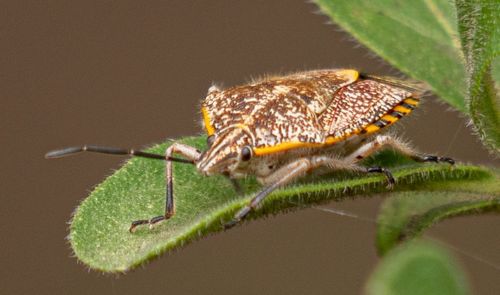
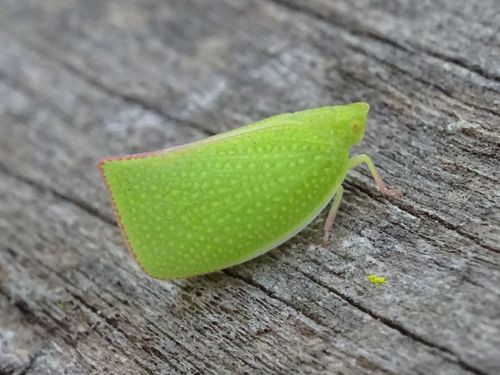
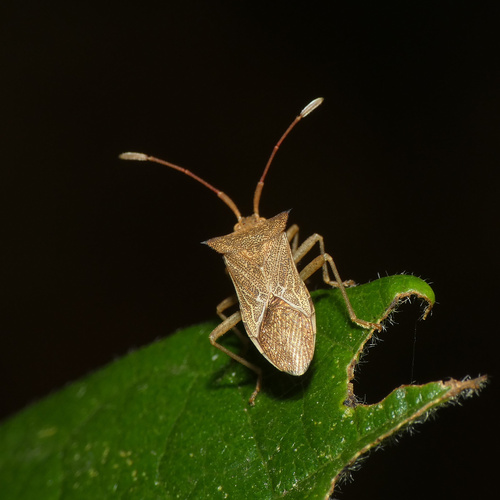
African Citrus Psyllid

African Citrus Psyllid

Trioza erytreae

Daily sighting probability <5% · Rare
at Cape Town

In 3 days ~10% in a week ~20%

5 Verified sightings at Cape Town
5 In 1 park From 2019 to 2026
April Best month
☀️ Diurnal When it's spotted

About the African Citrus Psyllid

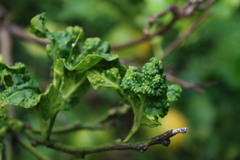
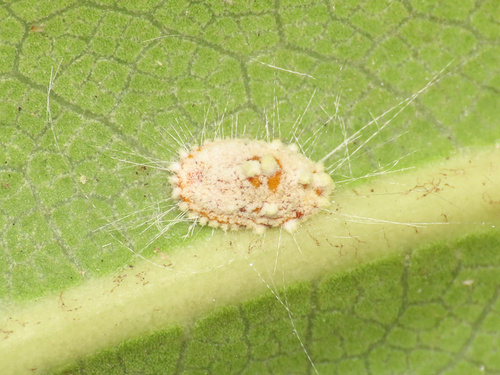
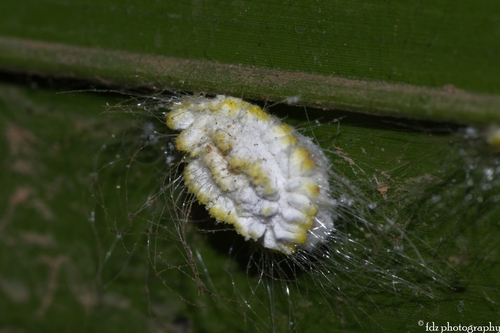
Trioza erytreae, the African citrus psyllid, is a sap-sucking insect, a hemipteran bug in the family Triozidae. It is an important pest of citrus, being one of only two known vectors of the serious citrus disease, huanglongbing or citrus greening disease. It is widely distributed in Africa. The other vector is the Asian citrus psyllid, Diaphorina citri.

The citrus psyllid is found in Cameroon, Comoros, the Congo, Eswatini, Ethiopia, Kenya, Madagascar, Malawi, Mauritius, Réunion, Rwanda, South Africa, St. Helena, Sudan, Tanzania, Uganda, Zambia, and Zimbabwe. It is also found in Saudi Arabia, Yemen, and the Macaronesian archipelagos of Madeira and the Canary islands. It is sensitive to hot, dry conditions and favours cool, moist areas 500 m above sea level. Recently it has been introduced into Spain through Galicia and Portugal. However, huanglongbing (citrus greening disease) has not been detected yet in these countries.

The adult psyllid is at first pale, but darkens later to a light-brown colour. The female is larger than the male and has a sharply pointed abdomen as compared to the male's blunt one. It typically adopts a distinctive stance when... Wikipedia →
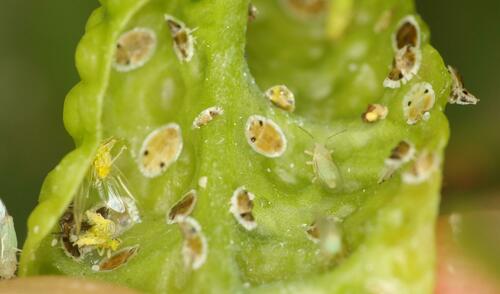
Global Distribution

Parks Where Found

# Park Country Daily sighting probability
1 Table Mountain National Park 🇿🇦 South Africa
<5%

More parks will be added in future updates.

Cities Where Found

# City Country Daily sighting probability
1 Cape Town 🇿🇦 South Africa
<5%

Before you go

What are the chances of seeing an African Citrus Psyllid in Cape Town?

Rare

Under 5% of wildlife watchers report an African Citrus Psyllid sighting in Cape Town on a given day, based on 5 verified sightings from GBIF citizen-science data. It is the 291st most-seen of the 311 insects we can rate there. Over three days the chance rises to about 10%, and over a week to about 20%, if each day is a fresh chance.

When is the best time to see an African Citrus Psyllid in Cape Town?

Any time of year

In every month with enough records, under 5% of wildlife watchers report an African Citrus Psyllid in Cape Town on a given day, so our monthly data shows no clear season.

What time of day is best to see an African Citrus Psyllid?

Between 9 am and noon

Across all the parks we cover, that three-hour window holds the most African Citrus Psyllid sightings with a recorded time, and nearly all of them come between 6 am and 6 pm: it is a daytime animal.

Where else can you see an African Citrus Psyllid?

Only Cape Town, in our data

Cape Town is the only city on Wallace's Line with enough records to rate African Citrus Psyllid sightings: under 5% of wildlife watchers there report one on a given day.

Which relatives of the African Citrus Psyllid live in Cape Town?

Same order: Hemiptera

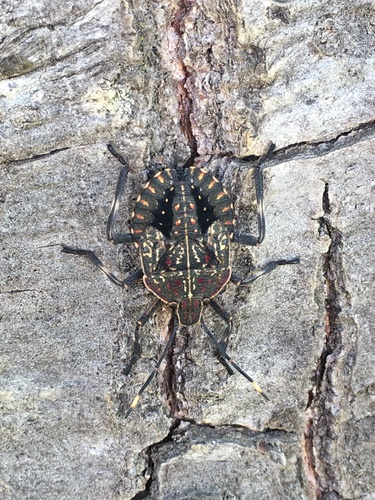
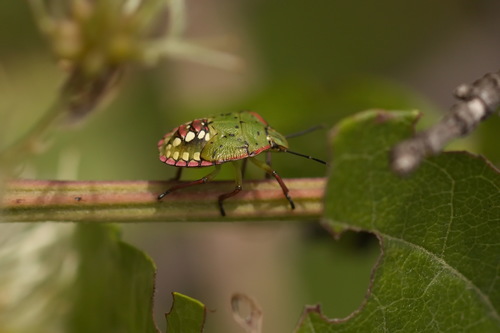
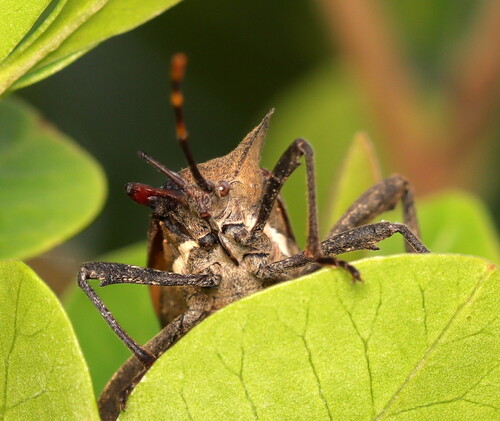
The closest relatives of the African Citrus Psyllid that you can see in Cape Town (order Hemiptera, True Bugs, Hoppers, Aphids, and allies) are Brown Stink Bug (about 20%), Southern Green Stink Bug (about 10%) and Common Tip Wilter (about 10%), with each one's daily chance of a sighting.

Where does the African Citrus Psyllid sighting chance come from?

GBIF citizen-science records

It is estimated from how often the African Citrus Psyllid is recorded against all the insects logged in Cape Town (5 verified sightings), calibrated against known sighting rates. Figures are rounded to the nearest 10% because citizen-science data supports honest approximations, not decimals, and months with records from fewer than five people show "—". How it works.

← Back to Cape Town