Southern Harvester Termite

Southern Harvester Termite

Microhodotermes viator

Daily sighting probability ~10% · With luck
at Cape Town

In 3 days ~20% in a week ~50%

88 Verified sightings at Cape Town
31 In all 2 parks From 2019 to 2026
May Best month
☀️ Diurnal When it's spotted

About the Southern Harvester Termite

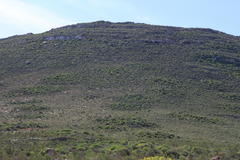
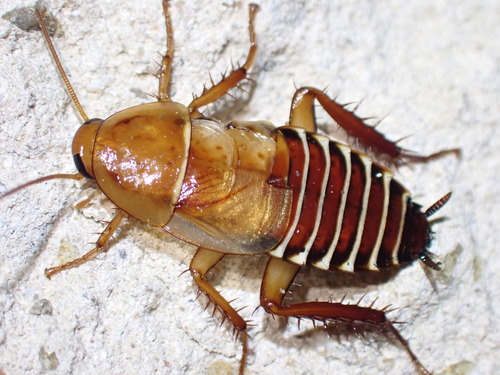
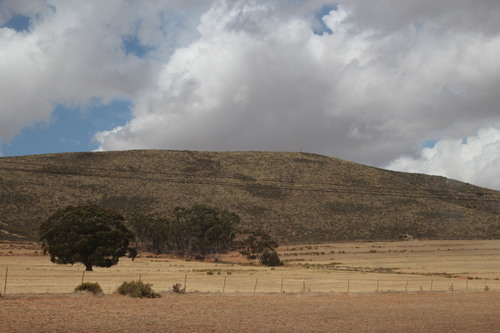
Microhodotermes viator, commonly called the southern harvester termite, the Karoo harvesting termite, the wood-eating harvester termite, houtkapper (lit. 'wood cutter'), and stokkiesdraer (lit. 'stick carrier'), is a species of harvester termite native to the desert shrubland of Namibia and South Africa. The eusocial insects inhabit soil mounds called heuweltjies. In 2024, researchers found inhabited Microhodotermes viator mounds up to 34,000 years old—by far the oldest active termite structures ever dated.

The holotype, collected and first described by Pierre André Latreille in 1804, has a clear red-brown head with a width of 3.8 mm. The unusually large head of M. viator is distinctive among Hodotermitidae. On its head are sharply defined bright yellow pseudo-ocelli. The body is an opaque yellow-orange, with a dark band in the transverse furrow of the prothorax, and the legs are pale yellow. Claude Fuller described the legs as brown or red-brown, with the tarsi and the tips of the tibiae and femora being yellow.

Latrielle described the larva as having a light brown body and a large brown head, distinctly faceted black eyes, and yellow ocelli. The species is polymorphic... Wikipedia →
Global Distribution

Parks Where Found

# Park Country Daily sighting probability
1 West Coast National Park 🇿🇦 South Africa
~30%
2 Addo Elephant National Park 🇿🇦 South Africa
~10%

Cities Where Found

# City Country Daily sighting probability
1 Cape Town 🇿🇦 South Africa
~10%

Before you go

What are the chances of seeing a Southern Harvester Termite in Cape Town?

With luck

About 10% of wildlife watchers report a Southern Harvester Termite sighting in Cape Town on a given day, based on 88 verified sightings from GBIF citizen-science data. It is the 51st most-seen of the 311 insects we can rate there. Over three days the chance rises to about 20%, and over a week to about 50%, if each day is a fresh chance.

When is the best time to see a Southern Harvester Termite in Cape Town?

March to November

In those months about 10% of wildlife watchers report a Southern Harvester Termite in Cape Town on a given day, against under 5% in December to February, the lowest months.

What time of day is best to see a Southern Harvester Termite?

Between noon and 3 pm

Across all the parks we cover, that three-hour window holds the most Southern Harvester Termite sightings with a recorded time, and nearly all of them come between 6 am and 6 pm: it is a daytime animal.

Where else can you see a Southern Harvester Termite?

Only Cape Town, in our data

Cape Town is the only city on Wallace's Line with enough records to rate Southern Harvester Termite sightings: about 10% of wildlife watchers there report one on a given day.

Which relatives of the Southern Harvester Termite live in Cape Town?

Same order: Blattodea

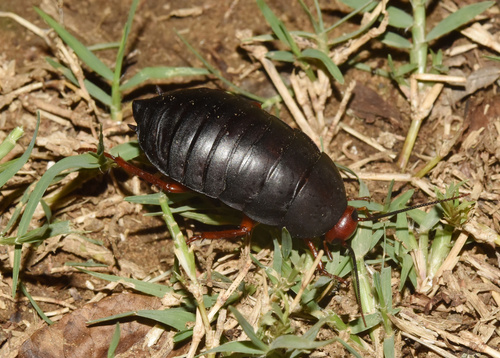
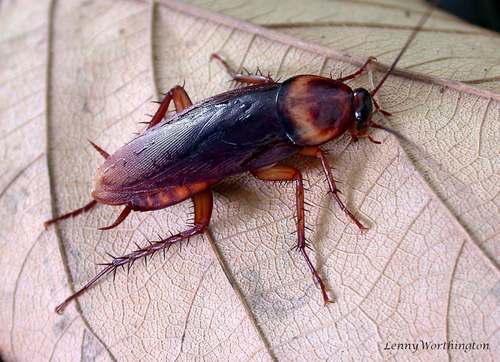
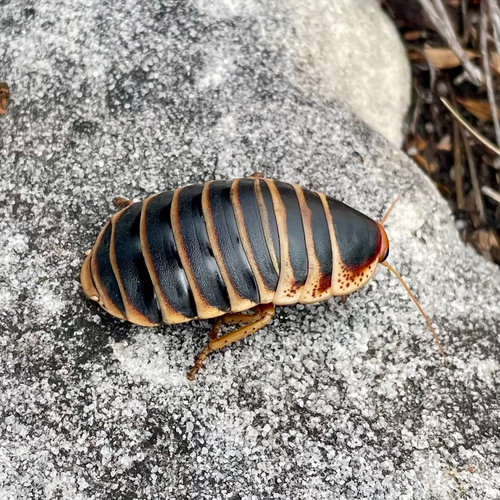
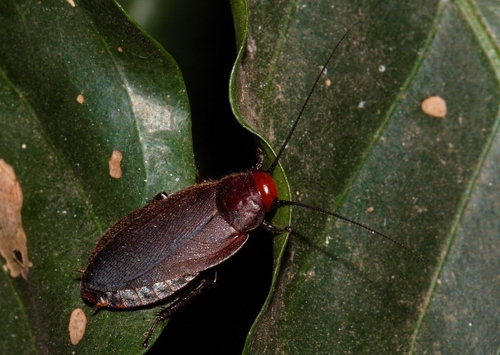
The closest relatives of the Southern Harvester Termite that you can see in Cape Town (order Blattodea, Cockroaches and Termites) are Red-Headed Cockroach (about 10%), American Cockroach (about 10%) and Cape Mountain Cockroach (about 10%), with each one's daily chance of a sighting.

Where does the Southern Harvester Termite sighting chance come from?

GBIF citizen-science records

It is estimated from how often the Southern Harvester Termite is recorded against all the insects logged in Cape Town (88 verified sightings), calibrated against known sighting rates. Figures are rounded to the nearest 10% because citizen-science data supports honest approximations, not decimals, and months with records from fewer than five people show "—". How it works.

← Back to Cape Town