Large Pugnacious Ant

Large Pugnacious Ant

Anoplolepis custodiens

Daily sighting probability <5% · Rare
at Durban

In 3 days ~10% in a week ~20%

7 Verified sightings at Durban
September Best month

About the Large Pugnacious Ant

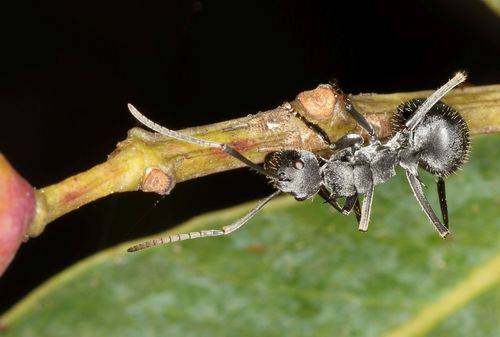
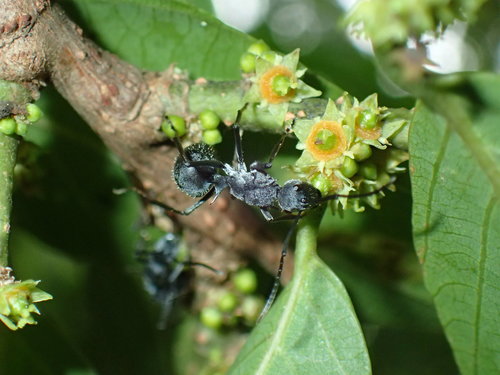
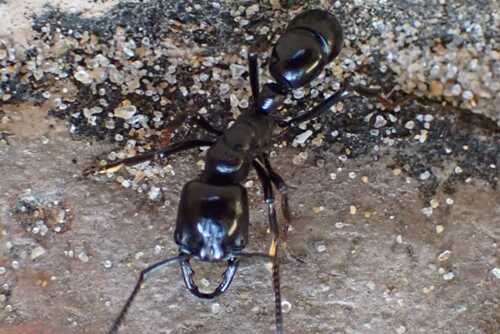
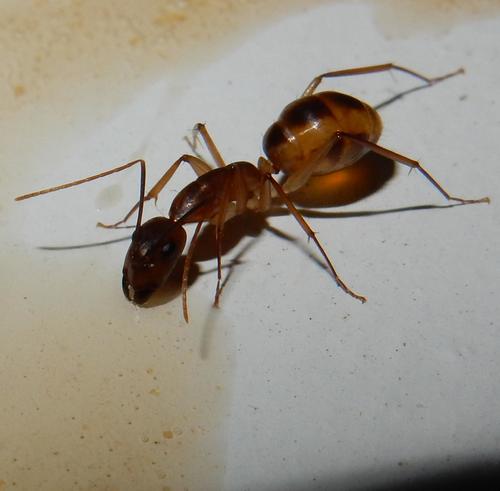
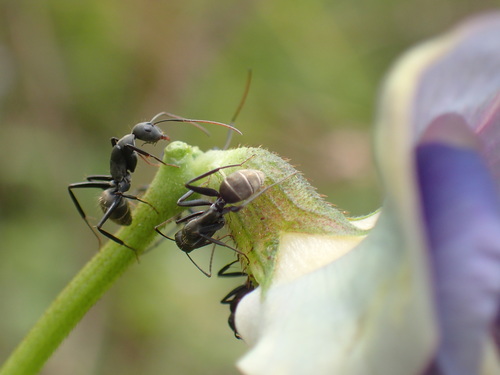
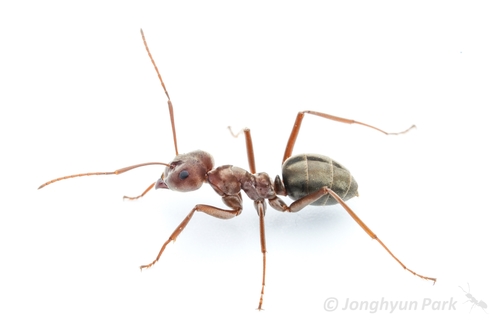
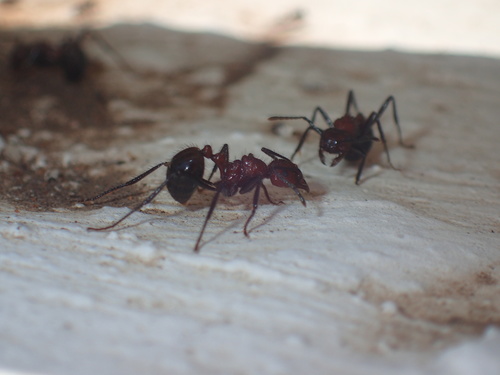
Anoplolepis custodiens, commonly known as the common pugnacious ant, is a species of ant in the genus Anoplolepis, native to central and southern Africa. Individual ants may come in a range of colors and sizes. Found in dry and cultivated areas, it is an important source of prey for some pangolins and aardvarks. Although generally aggressive, ants from other colonies of Anoplolepis custodiens are not attacked.

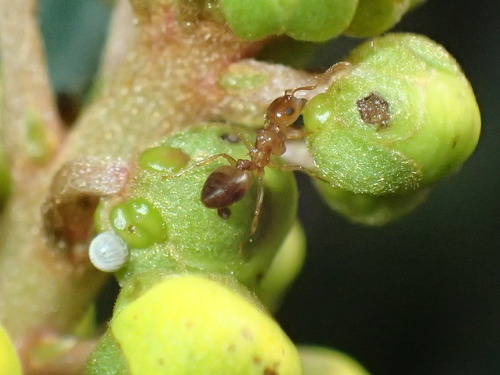
The worker common pugnacious ant varies greatly in size and is up to 10 mm (0.4 in) long, and polymorphic, being yellowish-brown, reddish-brown or darker chocolate-brown, often with the abdomen darker than the rest of the ant. Darker individuals can be distinguished from the black pugnacious ant (Anoplolepis steingroeveri) by the chequer-board dark pattern on the gaster, which is caused by reflection of light by pubescent hairs which lie in different directions on the two sides.

This ant is native to tropical sub-Saharan Africa. Its range includes Angola, Botswana, Democratic Republic of Congo, Eswatini, Ethiopia, Lesotho, Mozambique, Namibia, South Africa, Tanzania, Zambia, Zanzibar and Zimbabwe. It is a terrestrial species living... Wikipedia →
Global Distribution

Parks Where Found

# Park Country Daily sighting probability

More parks will be added in future updates.

Cities Where Found

# City Country Daily sighting probability
1 Pretoria 🇿🇦 South Africa
~10%
2 Durban 🇿🇦 South Africa
<5%

Before you go

What are the chances of seeing a Large Pugnacious Ant in Durban?

Rare

Under 5% of wildlife watchers report a Large Pugnacious Ant sighting in Durban on a given day, based on 7 verified sightings from GBIF citizen-science data. It is the 310th most-seen of the 401 insects we can rate there. Over three days the chance rises to about 10%, and over a week to about 20%, if each day is a fresh chance.

When is the best time to see a Large Pugnacious Ant in Durban?

September–October and December–January

In those months about 10% of wildlife watchers report a Large Pugnacious Ant in Durban on a given day, against under 5% in February–August and November, the lowest months. Those are among Durban's wettest months, with about 170 mm of rain a month against 25 mm in June.

Is Durban the best place to see a Large Pugnacious Ant?

2nd of 2

Of the 2 cities where we can rate Large Pugnacious Ant sightings, Durban ranks 2nd at under 5%. The best odds are in Pretoria (South Africa, about 10%).

Where does the Large Pugnacious Ant sighting chance come from?

GBIF citizen-science records

It is estimated from how often the Large Pugnacious Ant is recorded against all the insects logged in Durban (7 verified sightings), calibrated against known sighting rates. Figures are rounded to the nearest 10% because citizen-science data supports honest approximations, not decimals, and months with records from fewer than five people show "—". How it works.

← Back to Durban