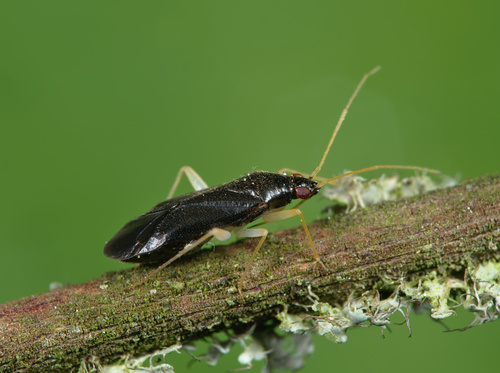
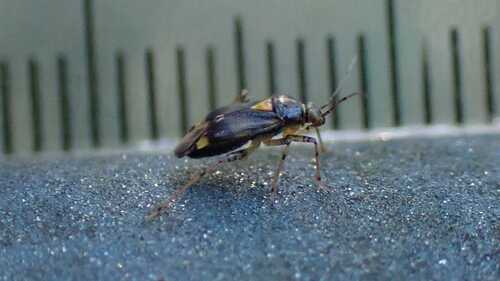
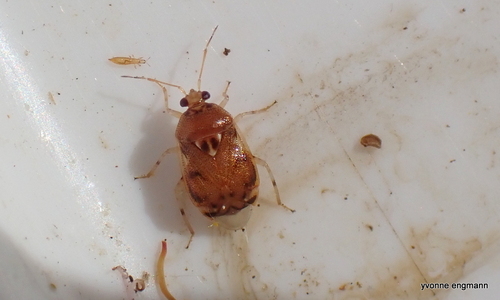
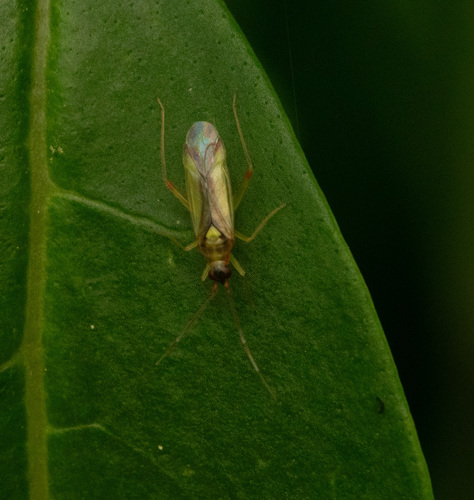
Phylus coryli

Phylus coryli

Phylus coryli

Daily sighting probability <5% · Rare
at Hamburg

In 3 days ~10% in a week ~20%

5 Verified sightings at Hamburg
June Best month

About the Phylus coryli

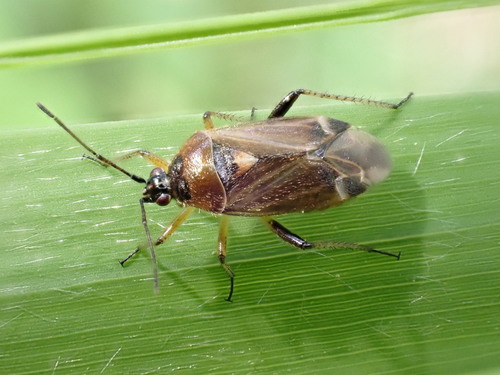
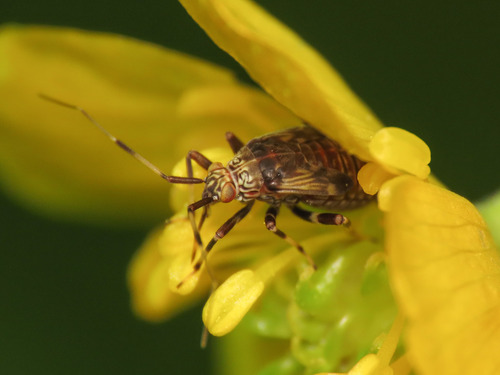
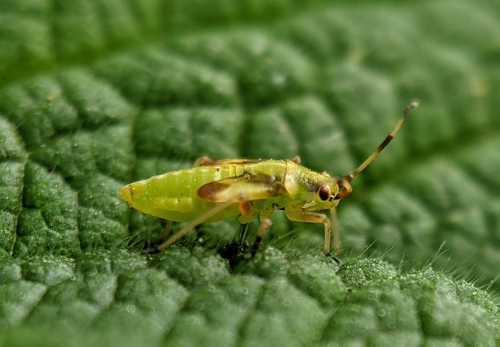
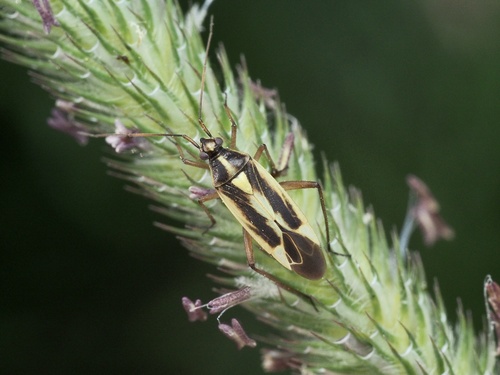
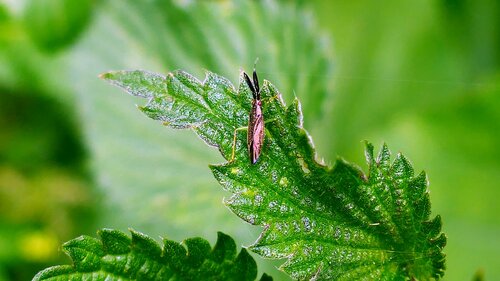
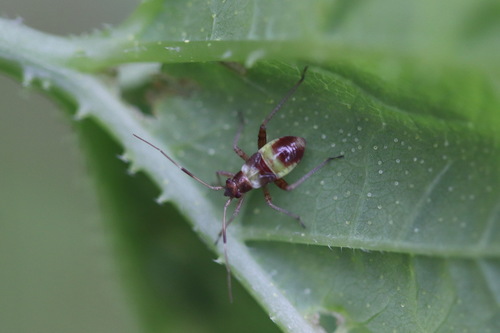
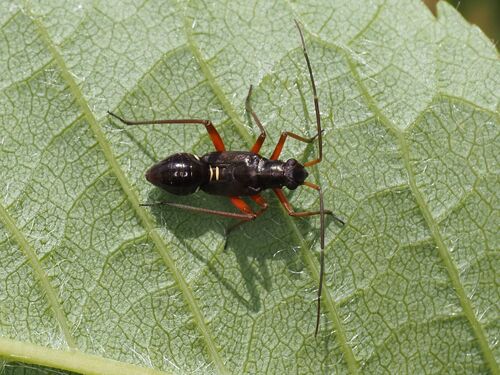
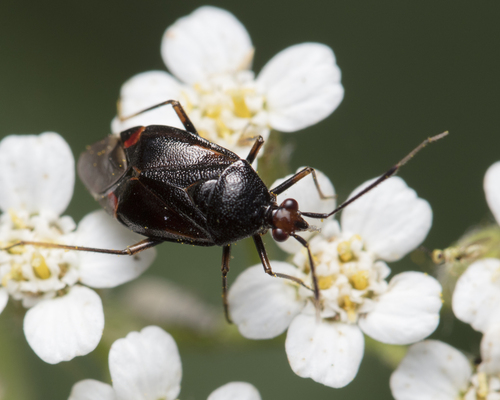
Phylus coryli, the hazel plant bug, is a species of plant bugs belonging to the family Miridae, subfamily Mirinae. The species is widespread in Europe including the British Isles, but missing in parts of the southern Mediterranean. To the East is found in the Caucasus. It is introduced in North America. It feeds on Corylus avellana. The species is 4.5–5.5 millimetres (0.18–0.22 in) long and is light brown to black coloured while its cuneus is reddish. Wikipedia →

Global Distribution

Parks Where Found

# Park Country Daily sighting probability

More parks will be added in future updates.

Cities Where Found

# City Country Daily sighting probability
1 Hamburg 🇩🇪 Germany
<5%
2 London 🇬🇧 United Kingdom
<5%

Before you go

What are the chances of seeing a Phylus coryli in Hamburg?

Rare

Under 5% of wildlife watchers report a Phylus coryli sighting in Hamburg on a given day, based on 5 verified sightings from GBIF citizen-science data. It is the 364th most-seen of the 423 insects we can rate there. Over three days the chance rises to about 10%, and over a week to about 20%, if each day is a fresh chance.

When is the best time to see a Phylus coryli in Hamburg?

June

In that month about 10% of wildlife watchers report a Phylus coryli in Hamburg on a given day, against under 5% in July to May, the lowest months.

Is Hamburg the best place to see a Phylus coryli?

Yes

Of the 2 cities where we can rate Phylus coryli sightings, Hamburg has the highest daily chance: under 5%. Next come London (United Kingdom, under 5%).

Where does the Phylus coryli sighting chance come from?

GBIF citizen-science records

It is estimated from how often the Phylus coryli is recorded against all the insects logged in Hamburg (5 verified sightings), calibrated against known sighting rates. Figures are rounded to the nearest 10% because citizen-science data supports honest approximations, not decimals, and months with records from fewer than five people show "—". How it works.

← Back to Hamburg