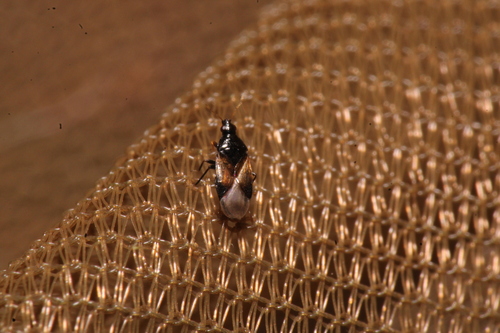
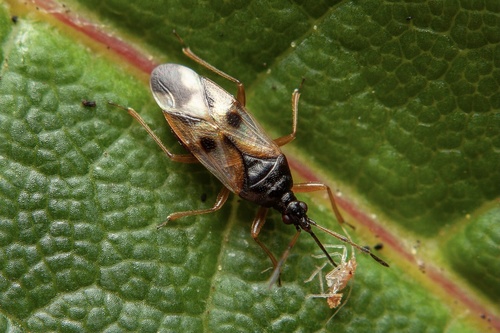
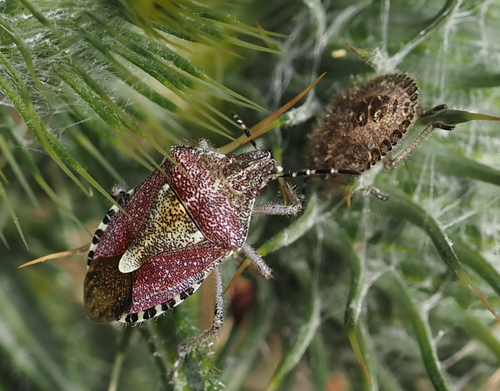
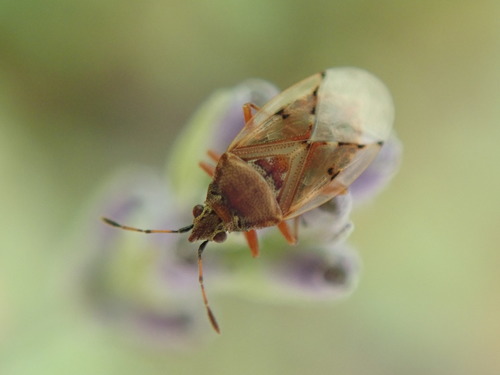
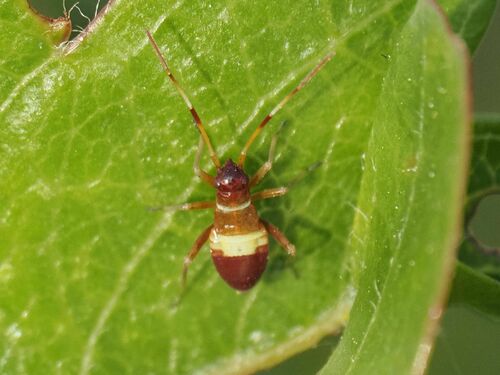
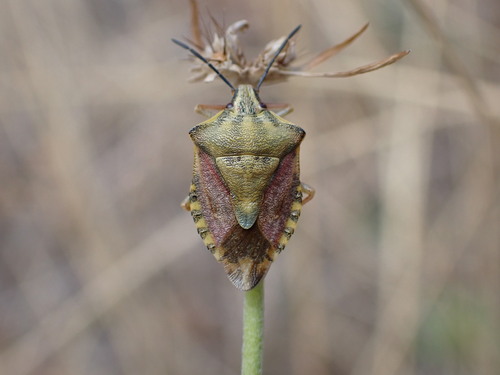
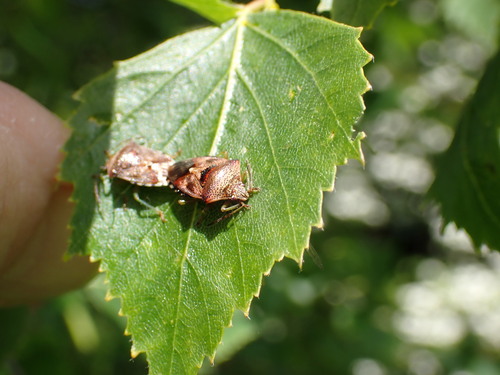
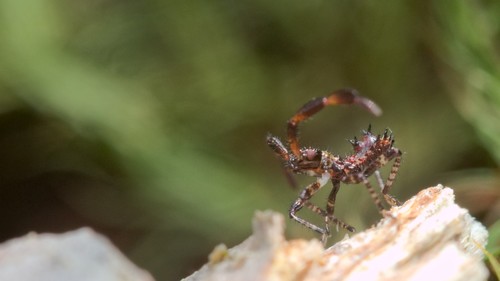
Orius niger

Orius niger

Orius niger

Daily sighting probability <5% · Rare
at Helsinki

In 3 days ~10% in a week ~20%

7 Verified sightings at Helsinki
September Best month

About the Orius niger

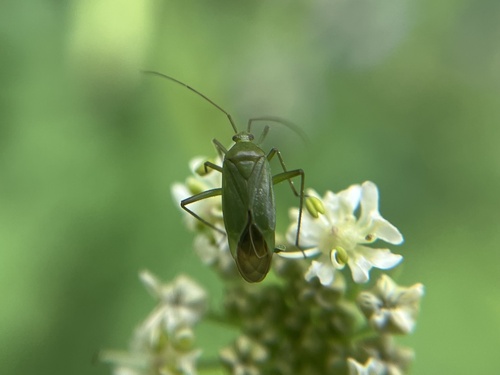
Orius niger is a true bug. The species is found in the Palearctic from Europe east to Siberia and across Central Asia to China and India. It is widespread in Central Europe mostly in the south. In the Alps it is found up 1600 meters above sea level.

Orius niger lives in the herbaceous layer feeding on Boraginaceae, Ericaceae and Fabaceae, but also on stinging nettles Urtica and Artemisia. The imago overwinters in loose ground litter, under bark scales or on stems or dried flowers. Most males die over the winter. The females lay their eggs in flowers of herbaceous plants. In favourable years there are two generations.

In laboratory conditions, the larval development of Orius niger takes 14 days at a temperature of 25 °C; females have a longevity of 60 days and can lay up to 150 eggs. Wikipedia →

Global Distribution

Parks Where Found

# Park Country Daily sighting probability

More parks will be added in future updates.

Cities Where Found

# City Country Daily sighting probability
1 Helsinki 🇫🇮 Finland
<5%

Before you go

What are the chances of seeing an Orius niger in Helsinki?

Rare

Under 5% of wildlife watchers report an Orius niger sighting in Helsinki on a given day, based on 7 verified sightings from GBIF citizen-science data. It is the 665th most-seen of the 838 insects we can rate there. Over three days the chance rises to about 10%, and over a week to about 20%, if each day is a fresh chance.

When is the best time to see an Orius niger in Helsinki?

September

In that month about 10% of wildlife watchers report an Orius niger in Helsinki on a given day, against under 5% in October to August, the lowest months.

Where else can you see an Orius niger?

Only Helsinki, in our data

Helsinki is the only city on Wallace's Line with enough records to rate Orius niger sightings: under 5% of wildlife watchers there report one on a given day.

Where does the Orius niger sighting chance come from?

GBIF citizen-science records

It is estimated from how often the Orius niger is recorded against all the insects logged in Helsinki (7 verified sightings), calibrated against known sighting rates. Figures are rounded to the nearest 10% because citizen-science data supports honest approximations, not decimals, and months with records from fewer than five people show "—". How it works.

← Back to Helsinki