🦋

Indarbela quadrinotata

Indarbela quadrinotata

Daily sighting probability <5% · Rare
at Kochi

In 3 days ~10% in a week ~20%

5 Verified sightings at Kochi
April Best month

About the Indarbela quadrinotata

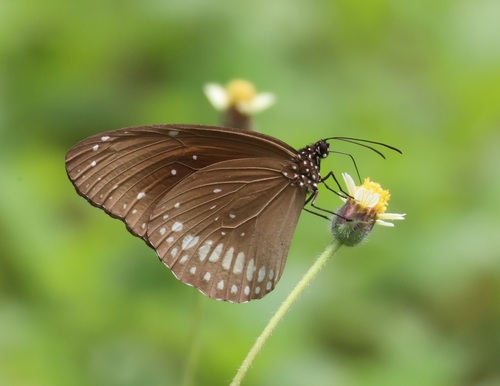
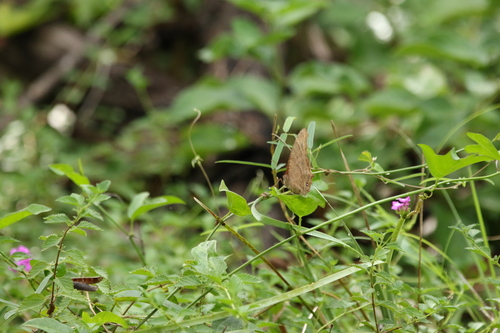
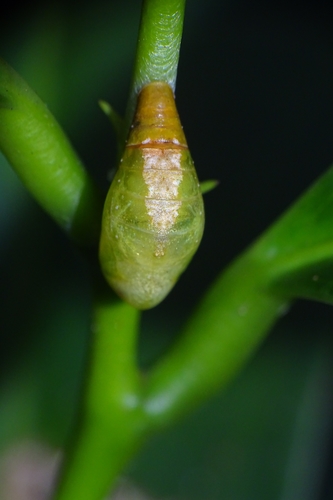
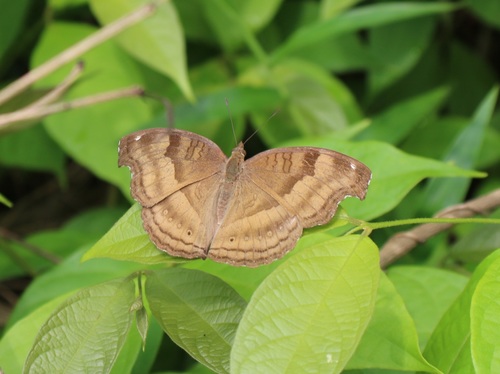
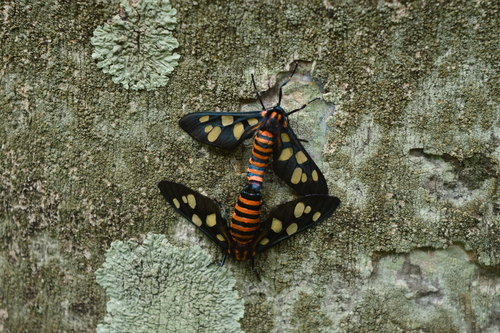
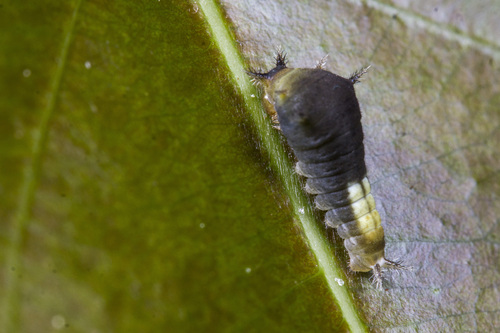
Indarbela quadrinotata, the bark-eating caterpillar, is a moth in the family Cossidae. It is found in India and Sri Lanka. It was described by Francis Walker in 1856. In the male, the head and thorax are rufus in color. Forewings pale rufus with a numerous dark rufus bands of strigae. A spot at the end of the cell is present and those between the median nervure and vein 1b is more prominent. Abdomen and hindwings are fuscous. In the female, the head, thorax and abdomen are ochreous white. Forewings are also ochreous white with markings as in male. Hindwings pale, slightly suffused with fuscous with numerous obsolescent brown striage. Caterpillars are pinkish white with brown spots. Pupae are chestnut brown in color. Eggs oval in shape and reddish.

The caterpillar is a serious pest that attacks more than 30 crops. The larva bores into the trunk or branches about 15–25 cm deep. The tunnel created is empty in the day time, but is filled with caterpillar during the night. It damages the bark of the tree resulting in dieback of the stem. Frass is visible in affected areas.

Crops that are readily attacked by the pest are: Albizia lebbeck, Albizia procera, Anacardium... Wikipedia →
Global Distribution

Parks Where Found

# Park Country Daily sighting probability

More parks will be added in future updates.

Cities Where Found

# City Country Daily sighting probability
1 Kochi 🇮🇳 India
<5%

Before you go

What are the chances of seeing an Indarbela quadrinotata in Kochi?

Rare

Under 5% of wildlife watchers report an Indarbela quadrinotata sighting in Kochi on a given day, based on 5 verified sightings from GBIF citizen-science data. It is the 377th most-seen of the 428 insects we can rate there. Over three days the chance rises to about 10%, and over a week to about 20%, if each day is a fresh chance.

When is the best time to see an Indarbela quadrinotata in Kochi?

March and April

In those months about 10% of wildlife watchers report an Indarbela quadrinotata in Kochi on a given day, against under 5% in May to February, the lowest months. Those are among Kochi's driest months, with about 90 mm of rain a month against 490 mm in June.

Where else can you see an Indarbela quadrinotata?

Only Kochi, in our data

Kochi is the only city on Wallace's Line with enough records to rate Indarbela quadrinotata sightings: under 5% of wildlife watchers there report one on a given day.

Which relatives of the Indarbela quadrinotata live in Kochi?

Same order: Lepidoptera

The closest relatives of the Indarbela quadrinotata that you can see in Kochi (order Lepidoptera, Butterflies and Moths) are Tailed Jay (about 40%), Common Mormon Swallowtail (about 30%) and Common Crow (about 30%), with each one's daily chance of a sighting.

Where does the Indarbela quadrinotata sighting chance come from?

GBIF citizen-science records

It is estimated from how often the Indarbela quadrinotata is recorded against all the insects logged in Kochi (5 verified sightings), calibrated against known sighting rates. Figures are rounded to the nearest 10% because citizen-science data supports honest approximations, not decimals, and months with records from fewer than five people show "—". How it works.

← Back to Kochi