
Cabbage White Parasitoid Wasp

Cabbage White Parasitoid Wasp

Cotesia glomerata

Daily sighting probability <5% · Rare
at Lisbon

In 3 days ~10% in a week ~20%

7 Verified sightings at Lisbon
8 In 1 park From 2019 to 2026
March Best month
☀️ Diurnal When it's spotted

About the Cabbage White Parasitoid Wasp

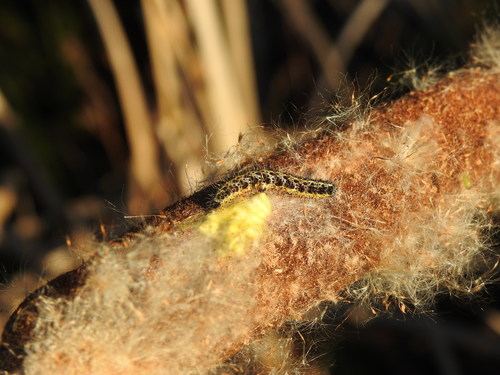
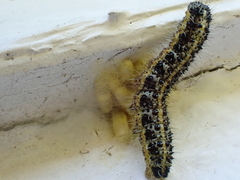
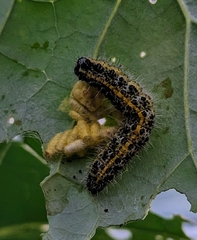
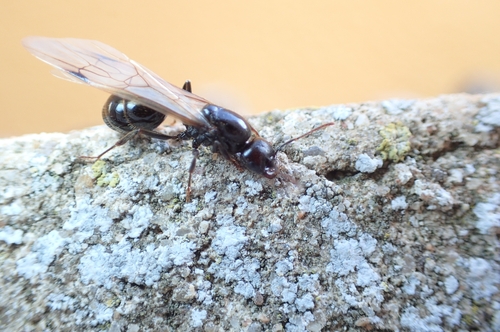
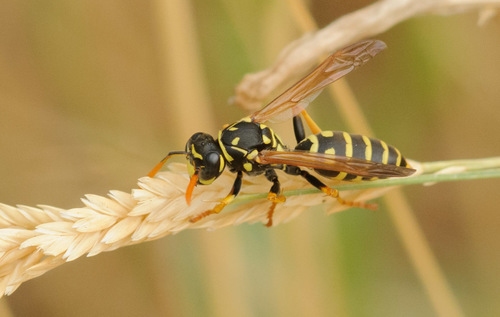
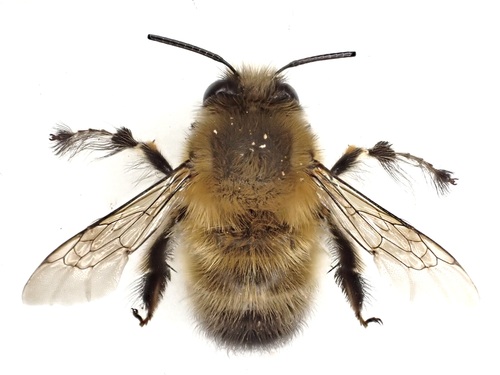
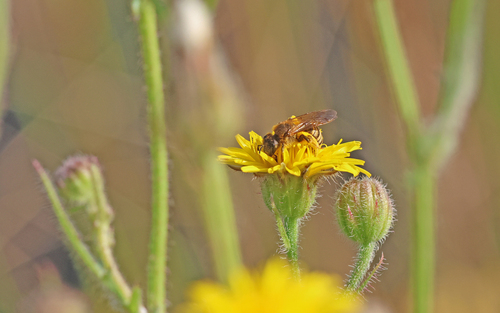
Cotesia glomerata, the white butterfly parasite, is a small parasitoid wasp belonging to family Braconidae. It was described by Carl Linnaeus in his 1758 publication 10th edition of Systema Naturae. The adults of Cotesia glomerata can reach a length of 3–7 millimetres (0.12–0.28 in). This small braconid wasp is black, with two pairs of wings. It can parasitize a wide range of Pieris butterfly species as host, but the large white (Pieris brassicae) and small white (Pieris rapae) are the main hosts. The adults feed on nectar.

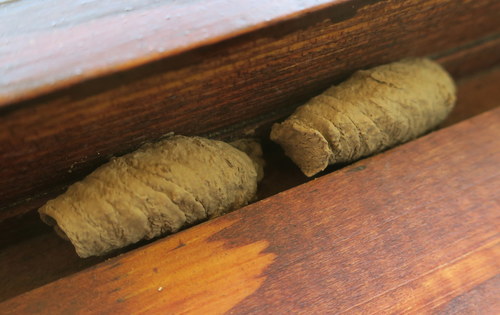
After hatching from the pupae, females mate almost immediately and begin laying eggs. The eggs are laid in the larvae of butterflies known as caterpillars, where the C. glomerata larvae develop; multiple eggs numbering between 16–52 are deposited in each caterpillar. After 15 to 20 days the larvae emerge, usually killing the parasitised caterpillar. These newly emerged larvae spin cocoons in a cluster on or nearby the host caterpillar; after 7 to 10 days the imago adult wasps hatch from these cocoons. Males typically emerge before females and disperse from the area. Overall, it takes between 22 and 30 days for an egg to develop... Wikipedia →

Global Distribution

Parks Where Found

# Park Country Daily sighting probability
1 Table Mountain National Park 🇿🇦 South Africa
<5%

More parks will be added in future updates.

Cities Where Found

# City Country Daily sighting probability
1 Cape Town 🇿🇦 South Africa
<5%
2 Lisbon 🇵🇹 Portugal
<5%
3 London 🇬🇧 United Kingdom
<5%

Before you go

What are the chances of seeing a Cabbage White Parasitoid Wasp in Lisbon?

Rare

Under 5% of wildlife watchers report a Cabbage White Parasitoid Wasp sighting in Lisbon on a given day, based on 7 verified sightings from GBIF citizen-science data. It is the 324th most-seen of the 441 insects we can rate there. Over three days the chance rises to about 10%, and over a week to about 20%, if each day is a fresh chance.

When is the best time to see a Cabbage White Parasitoid Wasp in Lisbon?

March

In that month about 10% of wildlife watchers report a Cabbage White Parasitoid Wasp in Lisbon on a given day, against under 5% in April to February, the lowest months.

What time of day is best to see a Cabbage White Parasitoid Wasp?

Between 1 and 4 pm

Across all the parks we cover, that three-hour window holds the most Cabbage White Parasitoid Wasp sightings with a recorded time, and about 8 in 10 of them come between 6 am and 6 pm: it is a daytime animal.

Is Lisbon the best place to see a Cabbage White Parasitoid Wasp?

Among the best

Of the 3 cities where we can rate Cabbage White Parasitoid Wasp sightings, Lisbon ranks 2nd at under 5%, level with the leaders once rounded. The best odds are in Cape Town (South Africa, under 5%).

Which relatives of the Cabbage White Parasitoid Wasp live in Lisbon?

Same order: Hymenoptera

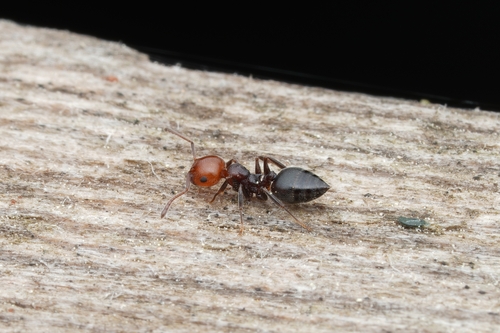
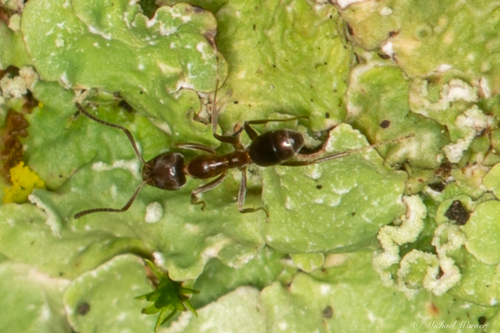
The closest relatives of the Cabbage White Parasitoid Wasp that you can see in Lisbon (order Hymenoptera, Ants, Bees, Wasps, and Sawflies) are Yellow-Legged Hornet (about 20%), Violet Carpenter Bee (about 10%) and Mediterranean Acrobat Ant (about 10%), with each one's daily chance of a sighting.

Where does the Cabbage White Parasitoid Wasp sighting chance come from?

GBIF citizen-science records

It is estimated from how often the Cabbage White Parasitoid Wasp is recorded against all the insects logged in Lisbon (7 verified sightings), calibrated against known sighting rates. Figures are rounded to the nearest 10% because citizen-science data supports honest approximations, not decimals, and months with records from fewer than five people show "—". How it works.

← Back to Lisbon