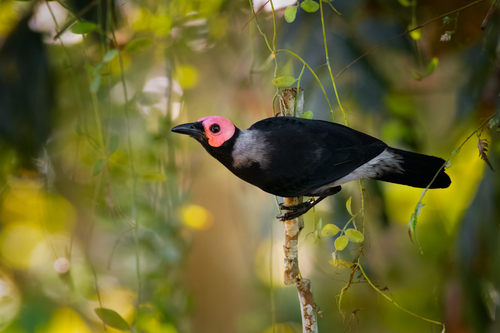
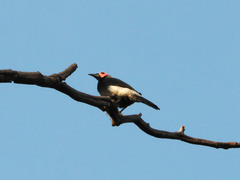
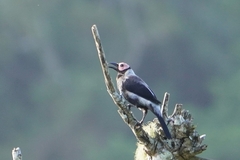
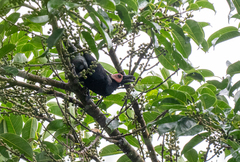
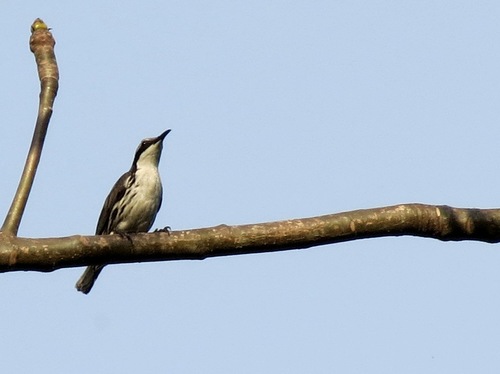
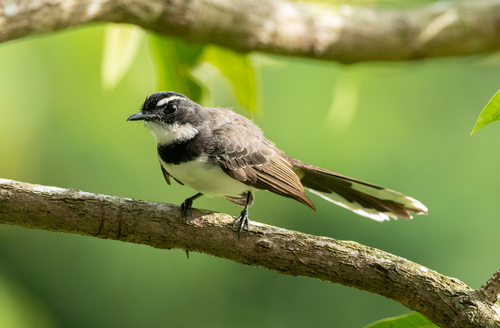
Coleto

Coleto

Sarcops calvus

LCLeast ConcernNTVUENCR
Daily sighting probability <5% · Rare
at Manila

In 3 days <5%

18 Verified sightings at Manila
September Best month
☀️ Diurnal When it's spotted

About the Coleto

The coleto (Sarcops calvus) is a starling species (family Sturnidae) in the monotypic genus Sarcops. It is endemic to the Philippines. Its natural habitats are tropical dry forest, tropical moist lowland forest, and tropical moist montane forest. In Filipino and Tagalog, this bird is known as kuling or koleto, while in Central Visayas, it is commonly known as the sal-ing.

In 1760 the French zoologist Mathurin Jacques Brisson included a description of the coleto in his Ornithologie based on a specimen collected in the Philippines. He used the French name Le merle chauve des Philippines and the Latin Merula Calva Philippensis. Although Brisson coined Latin names, these do not conform to the binomial system and are not recognised by the International Commission on Zoological Nomenclature. WI 1766, when the Swedish naturalist Carl Linnaeus updated his Systema Naturae for the twelfth edition, he added 240 species that had been previously described by Brisson. One of these was the coleto. Linnaeus included a brief description, coined the binomial name Gracula calva and cited Brisson's work. The specific name is from Latin calvus "bald" or "without hair". This... Wikipedia →

Global Distribution

Parks Where Found

# Park Country Daily sighting probability

More parks will be added in future updates.

Cities Where Found

# City Country Daily sighting probability
1 Manila 🇵🇭 Philippines
<5%

Zoos & Centres Where Found

# Zoo / Centre Country
1 Prague Zoo 🇨🇿 Czechia In captivity
2 Zoo Pilsen 🇨🇿 Czechia In captivity
3 Attica Zoological Park 🇬🇷 Greece In captivity
4 Bird Paradise 🇸🇬 Singapore In captivity
5 Rainforest Wild Asia 🇸🇬 Singapore In captivity
6 Vogelpark Avifauna 🇳🇱 Netherlands In captivity
7 Rákosův pavilon 🇨🇿 Czechia In captivity
8 Velemlokárium 🇨🇿 Czechia In captivity

Before you go

What are the chances of seeing a Coleto in Manila?

Rare

Under 5% of wildlife watchers report a Coleto sighting in Manila on a given day, based on 18 verified sightings from GBIF citizen-science data. It is the 159th most-seen of the 191 birds we can rate there. Over three days the chance rises to under 5%, if each day is a fresh chance.

When is the best time to see a Coleto in Manila?

Any time of year

In every month with enough records, under 5% of wildlife watchers report a Coleto in Manila on a given day, so our monthly data shows no clear season.

What time of day is best to see a Coleto?

Between 6 and 9 am

Across all the parks we cover, that three-hour window holds the most Coleto sightings with a recorded time, and about 8 in 10 of them come between 6 am and 6 pm: it is a daytime animal.

Where else can you see a Coleto?

Only Manila, in our data

Manila is the only city on Wallace's Line with enough records to rate Coleto sightings: under 5% of wildlife watchers there report one on a given day.

Which relatives of the Coleto live in Manila?

Same family: Sturnidae

The closest relatives of the Coleto that you can see in Manila (family Sturnidae, Starlings) are Crested Myna (about 30%) and Asian Glossy Starling (about 20%), with each one's daily chance of a sighting.

Where does the Coleto sighting chance come from?

GBIF citizen-science records

It is estimated from how often the Coleto is recorded against all the birds logged in Manila (18 verified sightings), calibrated against known sighting rates. Figures are rounded to the nearest 10% because citizen-science data supports honest approximations, not decimals, and months with records from fewer than five people show "—". How it works.

← Back to Manila