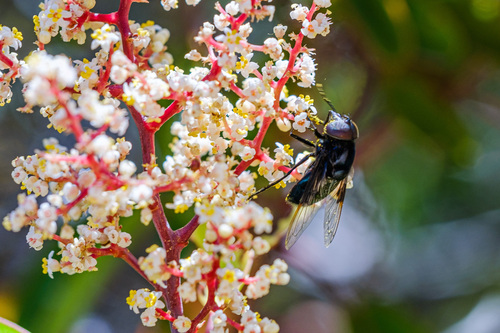
Common Fruit Fly

Common Fruit Fly

Drosophila melanogaster

Daily sighting probability <5% · Rare
at Mexico City

In 3 days ~10% in a week ~20%

5 Verified sightings at Mexico City
February Best month

About the Common Fruit Fly

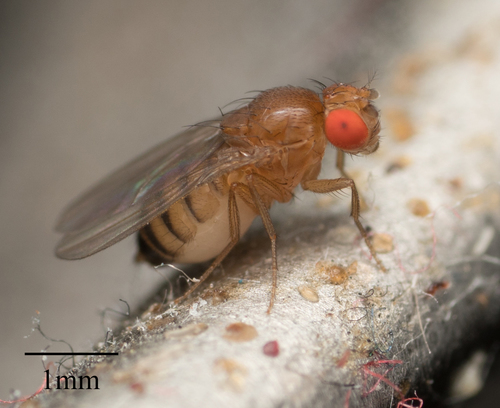
Drosophila melanogaster is a species of fly (an insect of the order Diptera) in the family Drosophilidae. The species is often referred to as the fruit fly or lesser fruit fly, or less commonly the "vinegar fly", "pomace fly", or "banana fly". D. melanogaster is attracted to rotting fruit and fermenting beverages and is often found in orchards, kitchens, and pubs.

Starting with Charles W. Woodworth's 1901 proposal of the use of this species as a model organism, D. melanogaster continues to be widely used for biological research in genetics, physiology, microbial pathogenesis, and life history evolution. In 1947 D. melanogaster was the first animal to be launched into space. As of 2017, six Nobel Prizes have been awarded to drosophilists for their work using the insect.

Drosophila melanogaster is typically used in research owing to its rapid life cycle, relatively simple genetics with only four pairs of chromosomes, and large number of offspring per generation. It was originally an African species, with all non-African lineages having a common origin. Its geographic range includes all continents, including islands. D. melanogaster is a common pest in homes, restaurants, and other places where food is served.

Flies belonging to the family Tephritidae are also called "fruit flies". This can cause confusion, especially in the Mediterranean, Australia, and South Africa, where the Mediterranean fruit fly Ceratitis capitata is an economic pest. Wikipedia →

Global Distribution

Parks Where Found

# Park Country Daily sighting probability

More parks will be added in future updates.

Cities Where Found

# City Country Daily sighting probability
1 Vienna 🇦🇹 Austria
<5%
2 Mexico City 🇲🇽 México
<5%

Before you go

What are the chances of seeing a Common Fruit Fly in Mexico City?

Rare

Under 5% of wildlife watchers report a Common Fruit Fly sighting in Mexico City on a given day, based on 5 verified sightings from GBIF citizen-science data. It is the 511th most-seen of the 557 insects we can rate there. Over three days the chance rises to about 10%, and over a week to about 20%, if each day is a fresh chance.

When is the best time to see a Common Fruit Fly in Mexico City?

Any time of year

In every month with enough records, under 5% of wildlife watchers report a Common Fruit Fly in Mexico City on a given day, so our monthly data shows no clear season.

Is Mexico City the best place to see a Common Fruit Fly?

Among the best

Of the 2 cities where we can rate Common Fruit Fly sightings, Mexico City ranks 2nd at under 5%, level with the leaders once rounded. The best odds are in Vienna (Austria, under 5%).

Which relatives of the Common Fruit Fly live in Mexico City?

Same order: Diptera

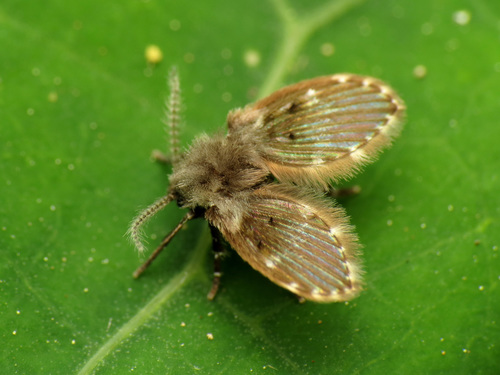
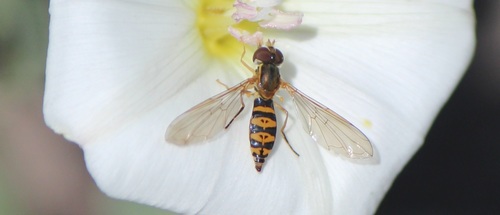
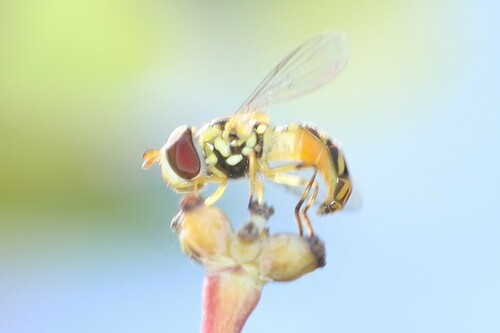
The closest relatives of the Common Fruit Fly that you can see in Mexico City (order Diptera, Flies) are Common Drone Fly (about 10%), Bathroom Moth Fly (about 10%) and Toxomerus mutuus (about 10%), with each one's daily chance of a sighting.

Where does the Common Fruit Fly sighting chance come from?

GBIF citizen-science records

It is estimated from how often the Common Fruit Fly is recorded against all the insects logged in Mexico City (5 verified sightings), calibrated against known sighting rates. Figures are rounded to the nearest 10% because citizen-science data supports honest approximations, not decimals, and months with records from fewer than five people show "—". How it works.

← Back to Mexico City