Southern Toad

Southern Toad

Anaxyrus terrestris

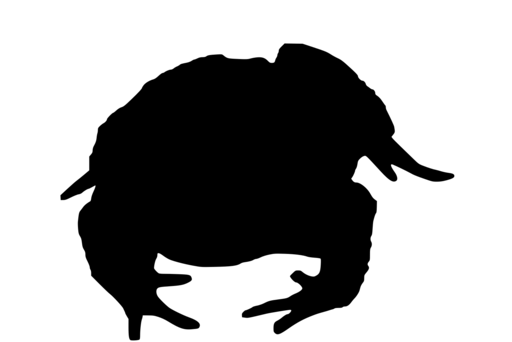
Silhouette: Michael Scroggie, from original photograph by Gary M. Stolz, USFWS (original photograph in public domain). · PhyloPic

LCLeast ConcernNTVUENCR Endemic
Daily sighting probability <5% · Rare
at Miami

In 3 days ~10% in a week ~30%

51 Verified sightings at Miami
1,170 In all 4 parks From 2019 to 2026
June Best month
☀️🌙 Day & Night When it's spotted

About the Southern Toad

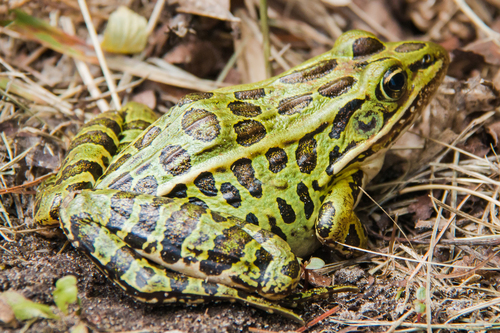
The southern toad (Anaxyrus terrestris) is a true toad native to the southeastern United States, from eastern Louisiana and southeastern Virginia south to Florida, where it is the largest toad found in that range. It often lives in areas with sandy soils. It is nocturnal and spends the day in a burrow. Its coloring is usually brown but can be red, gray, or black. It is approximately 8 cm (3 inches) long.

The southern toad is a medium-sized, plump species with a snout-to-vent length of up to 92 mm (3.6 in) with females being slightly larger than males. The most obvious distinguishing features are the knobs on the head and the backward-pointing spurs that extend as far as the paratoid glands. The dorsal surface is covered with warts, some of which may be spiny. The color of the head, back and sides varies from brick red to mottled grey, brown and black while the underparts are pale, sometimes with dark spots on the chest.

The southern toad is found on the coastal plain of the southeastern United States. Its range extends from southern Virginia to Florida and Louisiana and there are two isolated populations on the Piedmont plateau and the Blue Ridge... Wikipedia →

Sounds

Advertisement call0:13

United States · 2018

© Chris Harrison · XC890997 · CC BY-NC-SA 4.0

Recording0:53

United States · 2019

© Janet Wright · iNaturalist · CC BY-NC 4.0

Recording0:10

United States · 2025

© Aidan Flinn · iNaturalist · CC BY-NC 4.0

Global Distribution

Parks Where Found

# Park Country Daily sighting probability
1 Big Cypress National Preserve 🇺🇸 United States
~50%
2 Everglades National Park 🇺🇸 United States
~50%
3 Congaree National Park 🇺🇸 United States
~40%
4 Merritt Island National Wildlife Refuge 🇺🇸 United States
~20%

Cities Where Found

# City Country Daily sighting probability
1 Orlando 🇺🇸 United States
~30%
2 Miami 🇺🇸 United States
<5%

Zoos & Centres Where Found

# Zoo / Centre Country
1 Disney's Animal Kingdom 🇺🇸 United States In captivity
2 Zoo Miami 🇺🇸 United States In captivity
3 Jacksonville Zoo and Gardens 🇺🇸 United States In captivity
4 ZooTampa 🇺🇸 United States In captivity
5 Zoo Atlanta 🇺🇸 United States In captivity
6 Riverbanks Zoo 🇺🇸 United States In captivity
7 Naples Zoo 🇺🇸 United States In captivity
8 Newport Aquarium 🇺🇸 United States In captivity
9 North Carolina Aquarium at Pine Knoll Shores 🇺🇸 United States In captivity

Before you go

What are the chances of seeing a Southern Toad in Miami?

Rare

Under 5% of wildlife watchers report a Southern Toad sighting in Miami on a given day, based on 51 verified sightings from GBIF citizen-science data. It is the 6th most-seen of the 12 amphibians we can rate there. Over three days the chance rises to about 10%, and over a week to about 30%, if each day is a fresh chance.

When is the best time to see a Southern Toad in Miami?

March and June–August

In those months about 10% of wildlife watchers report a Southern Toad in Miami on a given day, against under 5% in April–May and September–February, the lowest months.

What time of day is best to see a Southern Toad?

Between 8 and 11 pm

Across all the parks we cover, that three-hour window holds the most Southern Toad sightings with a recorded time, and about 6 in 10 of them come between 6 pm and 6 am: it is seen both by day and at night.

Is Miami the best place to see a Southern Toad?

2nd of 2

Of the 2 cities where we can rate Southern Toad sightings, Miami ranks 2nd at under 5%. The best odds are in Orlando (United States, about 30%).

Where does the Southern Toad sighting chance come from?

GBIF citizen-science records

It is estimated from how often the Southern Toad is recorded against all the amphibians logged in Miami (51 verified sightings), calibrated against known sighting rates. Figures are rounded to the nearest 10% because citizen-science data supports honest approximations, not decimals, and months with records from fewer than five people show "—". How it works.

← Back to Miami