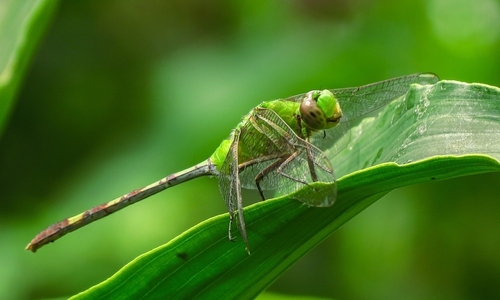
Two-Striped Forceptail

Two-Striped Forceptail

Aphylla williamsoni

Daily sighting probability <5% · Rare
at Miami

In 3 days ~10% in a week ~20%

22 Verified sightings at Miami
August Best month

About the Two-Striped Forceptail

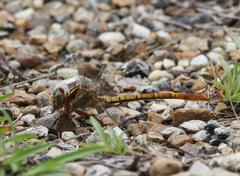
Aphylla williamsoni, the two-striped forceptail, is a species of clubtails in the family Gomphidae. It is found in North America. The IUCN conservation status of Aphylla williamsoni is "LC", least concern, with no immediate threat to the species' survival. The population is stable.

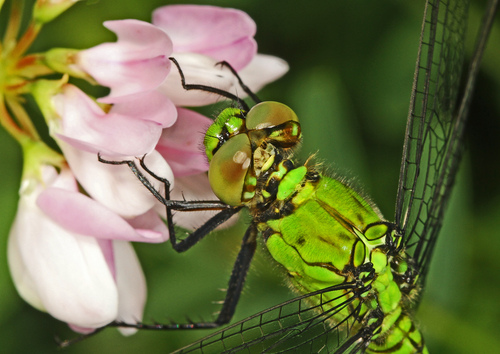
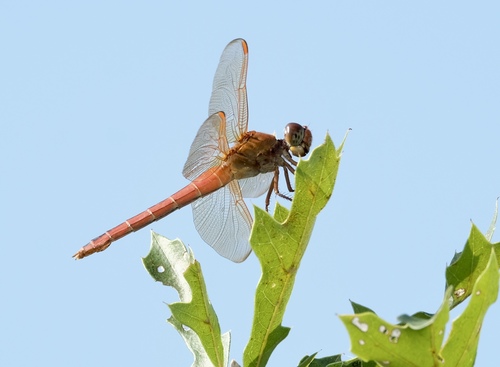
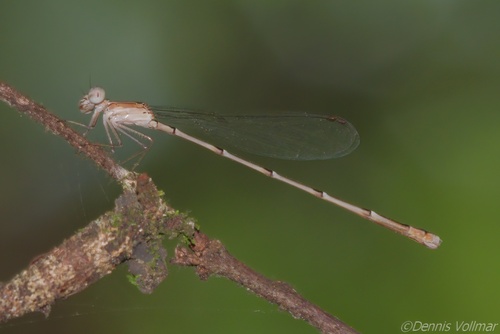
Aphylla williamsoni is a large, dark brown dragonfly with blue eyes and yellow markings. The thorax is dark brown with two yellow stripes on each side and additional stripes on the front/top. Additional, thinner, lateral stripes may be present, especially on females. The abdomen is dark brown, with yellow-marked basal segments and terminal segments washed with orange. The flanges of the "club" are yellow. Males have large, forcep-like cerci.

Apylla williamsoni nymphs have no color pattern and are nearly hairless. As with other members of the genus Aphylla, the tenth abdominal segment is distinctively elongated. They may reach 68 millimetres (2.7 in) long. The genus name Aphylla means "without leaf", referring to reduced flanges near the end of the abdomen. The specific epithet williamsoni is named for the American entomologist Edward Bruce Williamson.

The common name... Wikipedia →

Global Distribution

Parks Where Found

# Park Country Daily sighting probability

More parks will be added in future updates.

Cities Where Found

# City Country Daily sighting probability
1 Orlando 🇺🇸 United States
<5%
2 Miami 🇺🇸 United States
<5%

Before you go

What are the chances of seeing a Two-Striped Forceptail in Miami?

Rare

Under 5% of wildlife watchers report a Two-Striped Forceptail sighting in Miami on a given day, based on 22 verified sightings from GBIF citizen-science data. It is the 339th most-seen of the 826 insects we can rate there. Over three days the chance rises to about 10%, and over a week to about 20%, if each day is a fresh chance.

When is the best time to see a Two-Striped Forceptail in Miami?

May and August

In those months about 10% of wildlife watchers report a Two-Striped Forceptail in Miami on a given day, against under 5% in June–July and September–April, the lowest months. Those are among Miami's wettest months, with about 160 mm of rain a month against 45 mm in January.

Is Miami the best place to see a Two-Striped Forceptail?

Among the best

Of the 2 cities where we can rate Two-Striped Forceptail sightings, Miami ranks 2nd at under 5%, level with the leaders once rounded. The best odds are in Orlando (United States, under 5%).

Which relatives of the Two-Striped Forceptail live in Miami?

Same order: Odonata

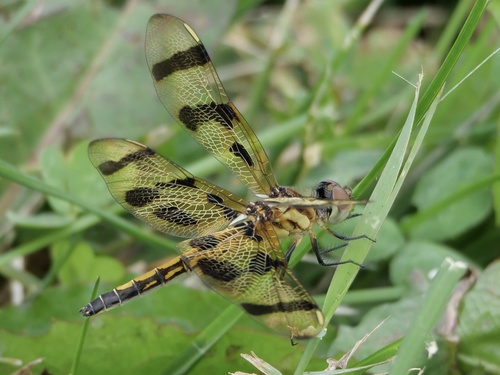
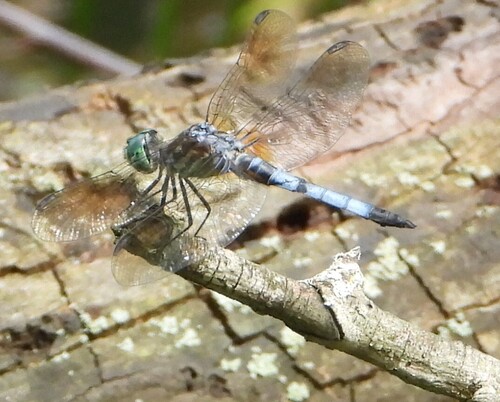
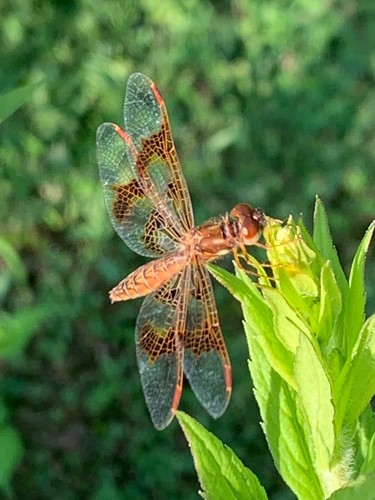
The closest relatives of the Two-Striped Forceptail that you can see in Miami (order Odonata, Dragonflies and Damselflies) are Halloween Pennant (about 20%), Band-Winged Dragonlet (about 20%) and Blue Dasher (about 20%), with each one's daily chance of a sighting.

Where does the Two-Striped Forceptail sighting chance come from?

GBIF citizen-science records

It is estimated from how often the Two-Striped Forceptail is recorded against all the insects logged in Miami (22 verified sightings), calibrated against known sighting rates. Figures are rounded to the nearest 10% because citizen-science data supports honest approximations, not decimals, and months with records from fewer than five people show "—". How it works.

← Back to Miami