About the Norfolk Damselfly
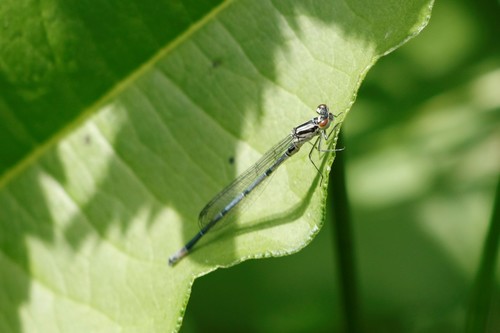
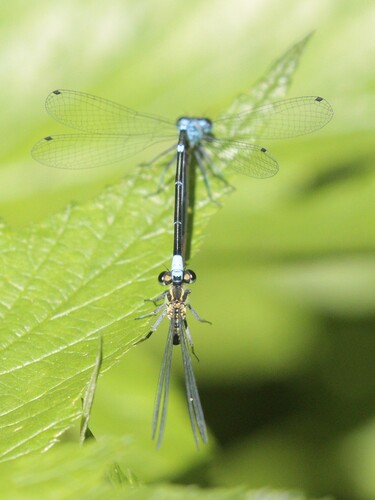
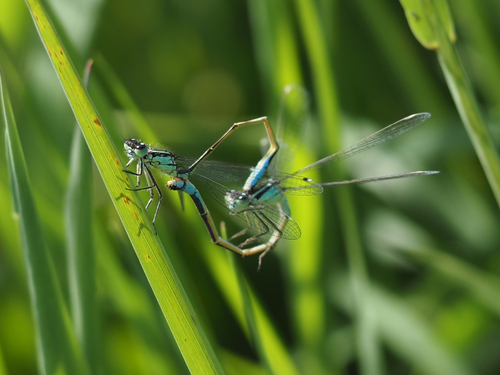
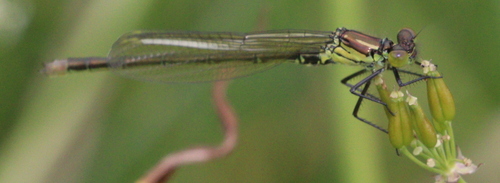
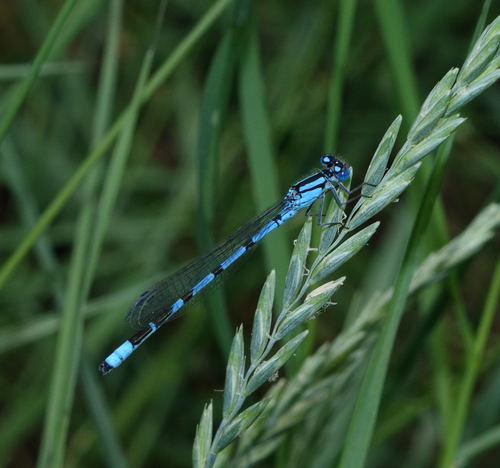
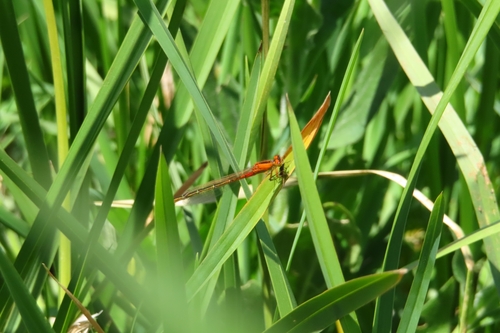
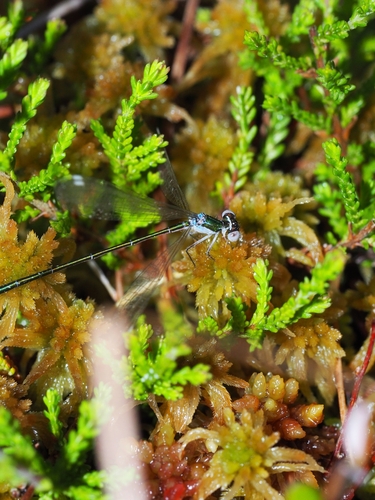
The Norfolk damselfly, Norfolk coenagrion or dark bluet (Coenagrion armatum) is a species of blue damselfly in the family Coenagrionidae, native to northern Eurasia from the Netherlands and Norway east to Kamchatka. This species acquired its common name from its discovery in 1903 and its presence in a very restricted area of the Norfolk Broads, England.
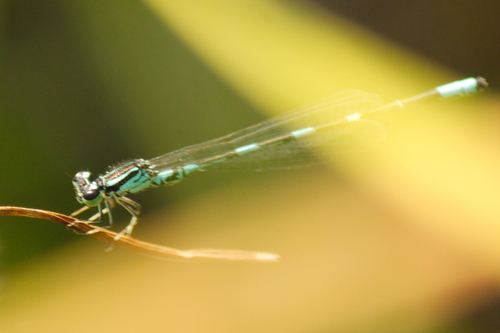
At first glance, this damselfly may resemble a blue-tailed damselfly or a red-eyed damselfly more than a typical Coenagrion species. Both sexes have a distinctive black abdomen with coloured segments at both the base and the tip. Males have very large appendages that distinguish them from similar species.
It breeds in ponds ditches and slow rivers with open helophyte vegetation (particularly in sparse Phragmites australis, Carex spp., and Equisetum fluviatile) and with oligotrophic water quality. It is abundant in northeastern Europe.
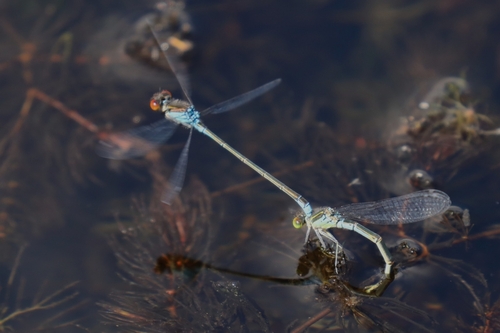
Its breeding biology is poorly known. The eggs are laid in the stems and leaves of aquatic plants. The larvae live among aquatic plants and probably emerge after one year. It was recorded in Britain from late May to late July. The current populations... Wikipedia →