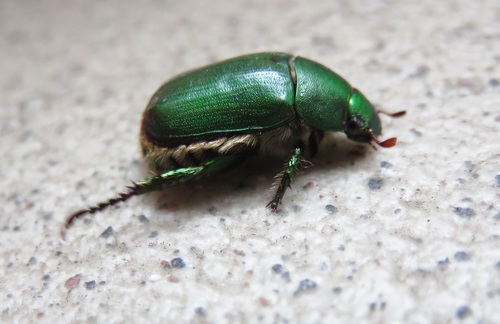
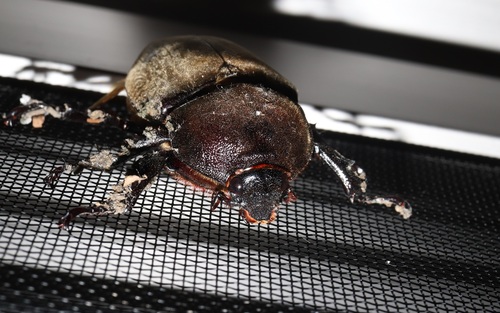
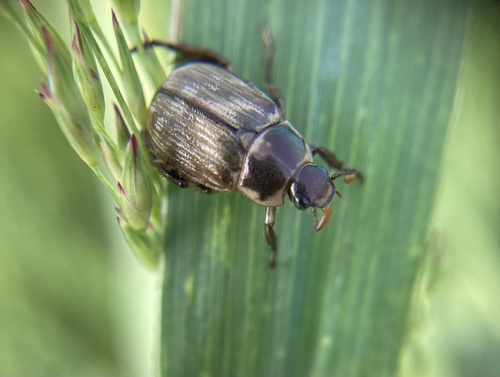
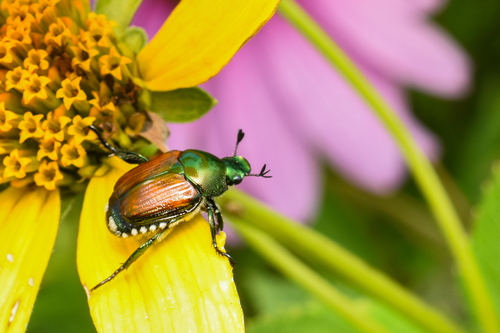
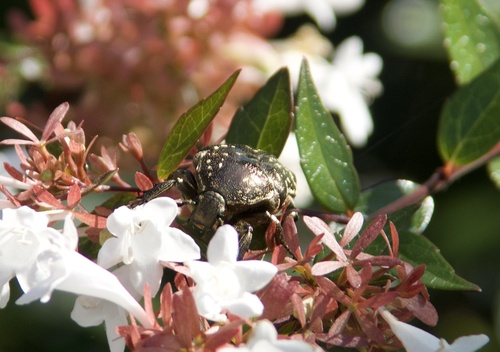
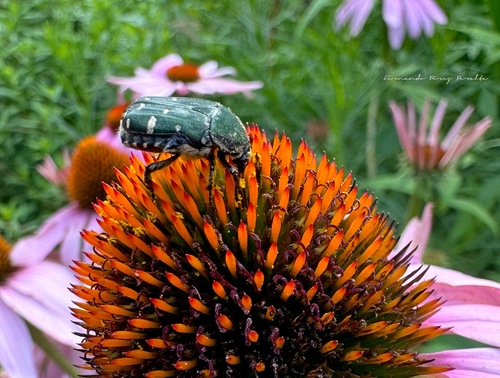


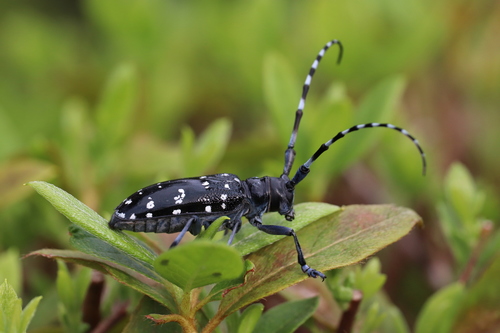
Green Chafer

Green Chafer

Anomala albopilosa

Daily sighting probability ~30% · Possible
at Nagoya

In 3 days ~70% in a week ~90%

43 Verified sightings at Nagoya
July Best month

About the Green Chafer

Anomala albopilosa, known by the common names green chafer, white-haired leaf chafer and sugarcane white grub, is a species of chafer beetle in the family Scarabaeidae. It was originally described in the genus Euchlora by Frederick William Hope in 1839. The beetle is native to Japan(the three major islands (Kyushu, Shikoku and Honshu ) and the Ryukyu Islands), Korea, and Taiwan. Wikipedia →

Global Distribution

Parks Where Found

# Park Country Daily sighting probability

More parks will be added in future updates.

Cities Where Found

# City Country Daily sighting probability
1 Nagoya 🇯🇵 Japan
~30%
2 Hiroshima 🇯🇵 Japan
~20%
3 Osaka 🇯🇵 Japan
~20%
4 Tokyo 🇯🇵 Japan
~20%
5 Naha 🇯🇵 Japan
~10%

Before you go

What are the chances of seeing a Green Chafer in Nagoya?

Possible

About 30% of wildlife watchers report a Green Chafer sighting in Nagoya on a given day, based on 43 verified sightings from GBIF citizen-science data. It is the 15th most-seen of the 195 insects we can rate there. Over three days the chance rises to about 70%, and over a week to about 90%, if each day is a fresh chance.

When is the best time to see a Green Chafer in Nagoya?

July

In that month about 50% of wildlife watchers report a Green Chafer in Nagoya on a given day, against under 5% in October to May, the lowest months. That is one of Nagoya's wettest months, with about 230 mm of rain against 75 mm in January.

Is Nagoya the best place to see a Green Chafer?

Yes

Of the 5 cities where we can rate Green Chafer sightings, Nagoya has the highest daily chance: about 30%. Next come Hiroshima (Japan, about 20%) and Osaka (Japan, about 20%).

Where does the Green Chafer sighting chance come from?

GBIF citizen-science records

It is estimated from how often the Green Chafer is recorded against all the insects logged in Nagoya (43 verified sightings), calibrated against known sighting rates. Figures are rounded to the nearest 10% because citizen-science data supports honest approximations, not decimals, and months with records from fewer than five people show "—". How it works.

← Back to Nagoya