About the Cereal Leaf Beetle
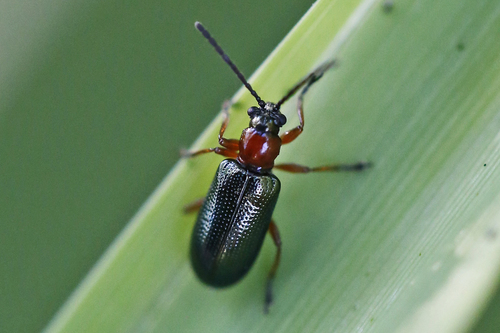
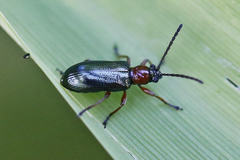
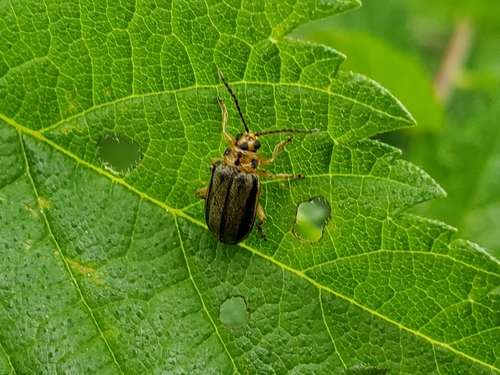
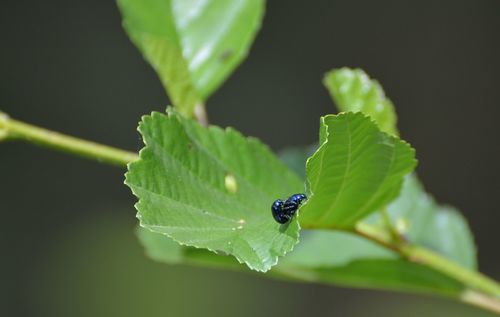
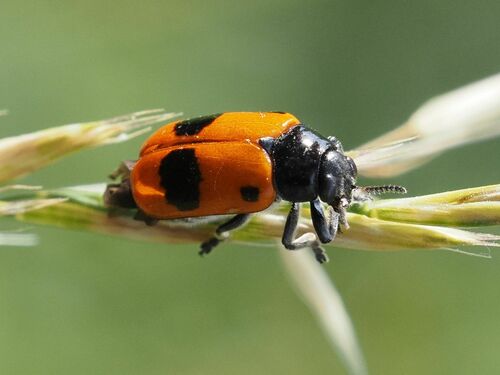
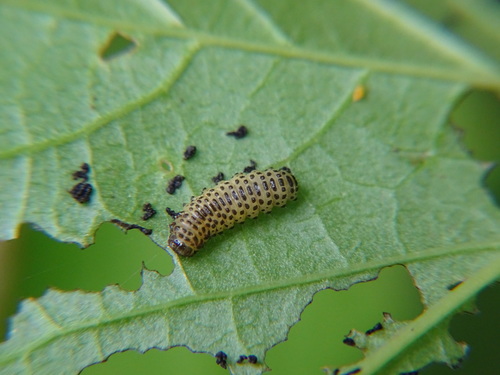
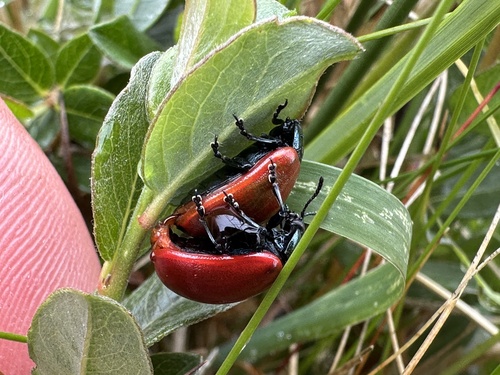
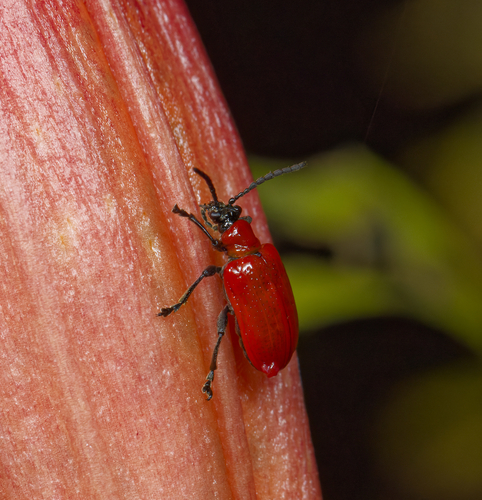
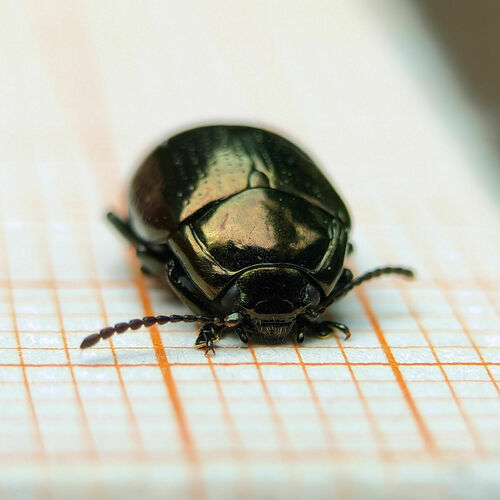
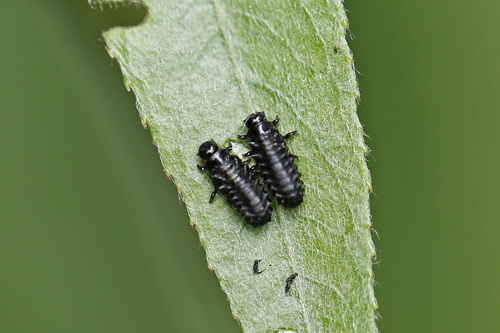
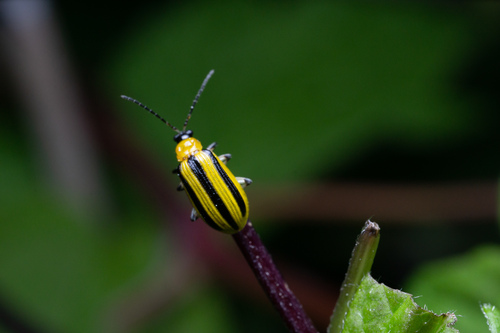
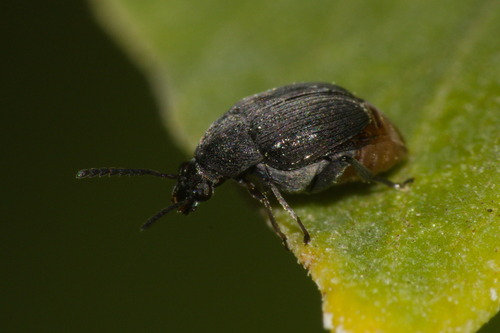
The cereal leaf beetle (Oulema melanopus) is a significant crop pest, described by Carl Linnaeus in 1758. One generation of this beetle is produced a year. Adults feed before winter and spend most of their overwintering time in protected areas such as wind rows, crop stubble, and tree bark crevices. Adults mate once the temperature warms to above 9–10 degrees Celsius (or 44.6 degrees F) and females have a relatively long laying period (about 45–60 days), when they deposit eggs on the undersides of leaves. The larvae hatch in 7–15 days, and start the most damaging eating of the entire lifecycle. These larvae mature in 12–20 days. Larvae are the greatest threat to crops, as they eat the superficial layer of leaves, hindering the leaves' photosynthetic potential. According to Kon, Zabik, Webster, and Leavitt, a chemical factor attracts the beetles to leaves, and that chemical factor is directly related to hydrophobicity. Pupation occurs in soil, with the adults emerging in 20–25 days, ready to start the cycle again.
Eggs are cylindrical and round, about 0.9 mm long and 0.4 mm wide. Eggs are often laid along the midvein on the undersides of leaves. They are bright yellow... Wikipedia →