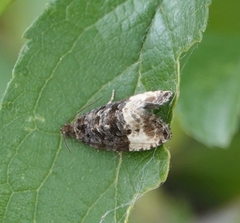
Plum Tortrix
Daily sighting probability <5% · Rare
at Paris

In 3 days ~10% in a week ~20%

9 Verified sightings at Paris
6 In 1 park From 2019 to 2026
May Best month
☀️🌙 Day & Night When it's spotted

About the Plum Tortrix

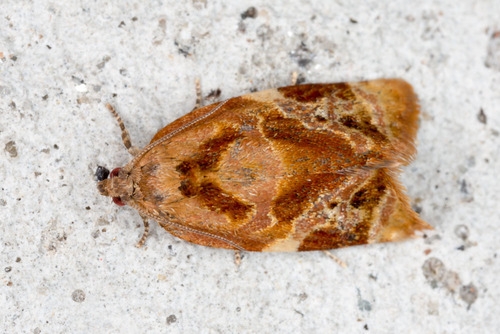
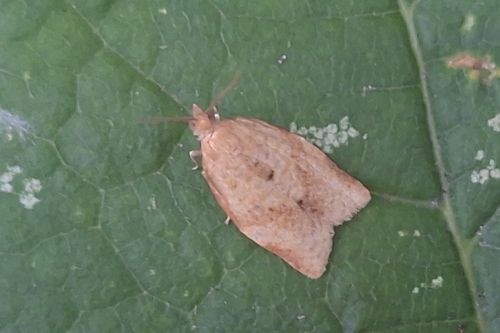
Hedya pruniana, the plum tortrix, is a species of moth of the family Tortricidae. It is found in the Palearctic realm. In central Europe, it is a common species. In the east, the range extends through Anatolia and Iran, the Ural, Transcaucasia and western Kazakhstan to the Far East.

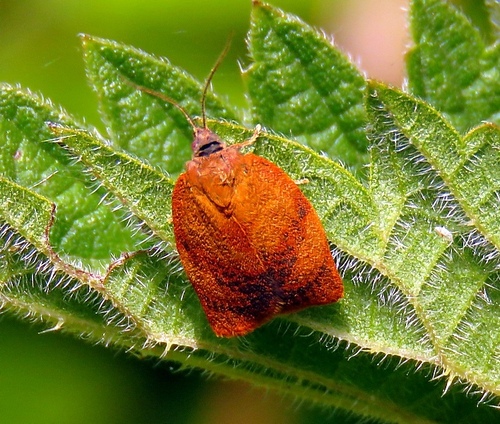
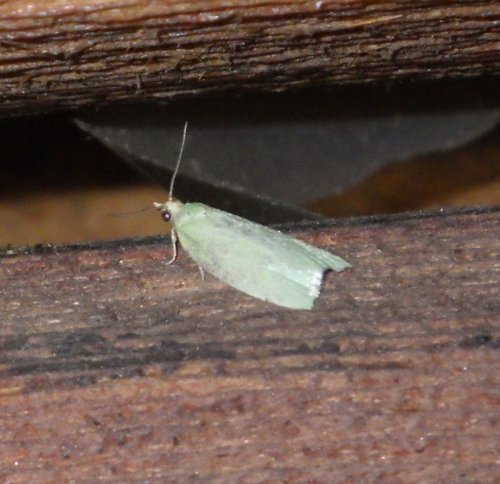
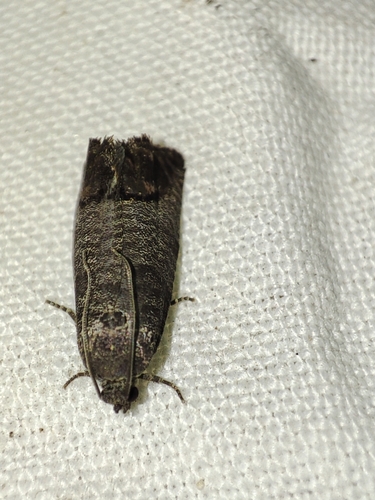
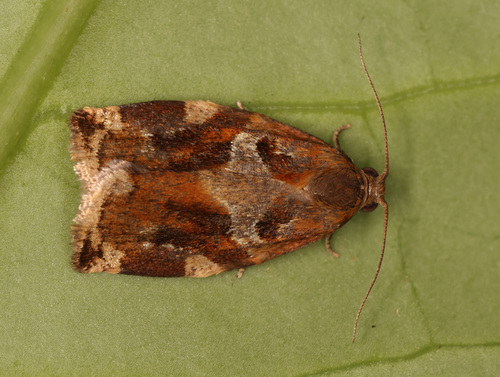
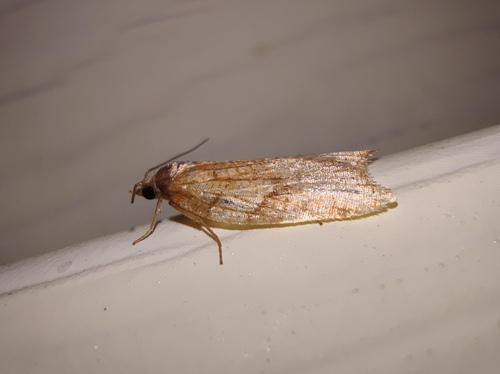
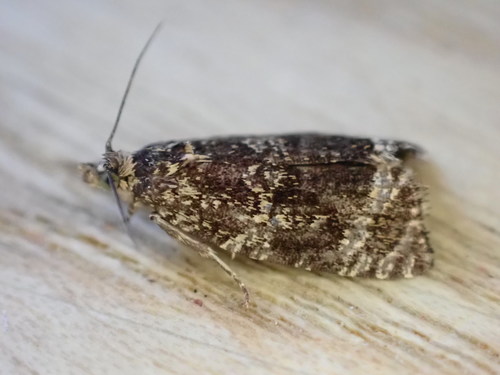
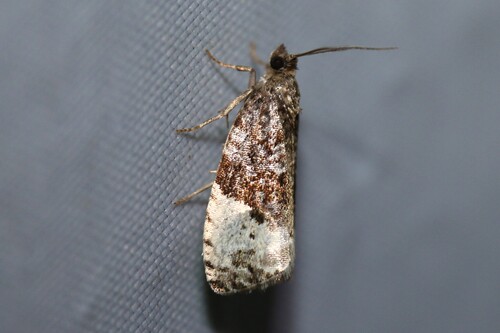
The wingspan is 15–19 mm.The forewings are white, sometimes partly ochreous-tinged, more or less strigulated posteriorly with dark fuscous. The basal patch, central fascia, and included space are dark brown mixed with dark ashy-fuscous and blackish, somewhat whitish-sprinkled, especially in the space on costa and fold.The posterior edge of the fascia has an angular prominence in middle, sometimes followed by one or two dark dots. There isa greyish subterminal streak and the extreme apex is blackish-fuscous. The hindwings are grey, darker in the female. The larva is bright green; tubercular spots, head, and plate of two black.

Adults are on wing from May to August. The larvae feed on various plant, including Prunus spinosa, Crataegus, Rosa, Sorbus and Corylus avellana. The larvae can be found from July/August to April/May. The species overwinters in the larval stage. Wikipedia →
Global Distribution

Parks Where Found

# Park Country Daily sighting probability
1 Bavarian Forest National Park 🇩🇪 Germany
<5%

More parks will be added in future updates.

Cities Where Found

# City Country Daily sighting probability
1 London 🇬🇧 United Kingdom
<5%
2 Vienna 🇦🇹 Austria
<5%
3 Paris 🇫🇷 France
<5%

Before you go

What are the chances of seeing a Plum Tortrix in Paris?

Rare

Under 5% of wildlife watchers report a Plum Tortrix sighting in Paris on a given day, based on 9 verified sightings from GBIF citizen-science data. It is the 633rd most-seen of the 916 insects we can rate there. Over three days the chance rises to about 10%, and over a week to about 20%, if each day is a fresh chance.

When is the best time to see a Plum Tortrix in Paris?

May

In that month about 10% of wildlife watchers report a Plum Tortrix in Paris on a given day, against under 5% in June to April, the lowest months.

What time of day is best to see a Plum Tortrix?

Between 9 pm and midnight

Across all the parks we cover, that three-hour window holds the most Plum Tortrix sightings with a recorded time, and about 7 in 10 of them come between 6 pm and 6 am: it is seen both by day and at night.

Is Paris the best place to see a Plum Tortrix?

Among the best

Of the 3 cities where we can rate Plum Tortrix sightings, Paris ranks 3rd at under 5%, level with the leaders once rounded. The best odds are in London (United Kingdom, under 5%) and Vienna (Austria, under 5%).

Where does the Plum Tortrix sighting chance come from?

GBIF citizen-science records

It is estimated from how often the Plum Tortrix is recorded against all the insects logged in Paris (9 verified sightings), calibrated against known sighting rates. Figures are rounded to the nearest 10% because citizen-science data supports honest approximations, not decimals, and months with records from fewer than five people show "—". How it works.

← Back to Paris