Potato Psyllid

Potato Psyllid

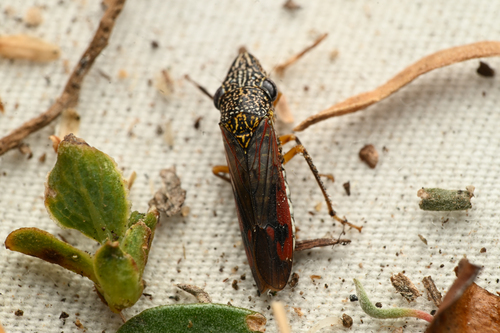
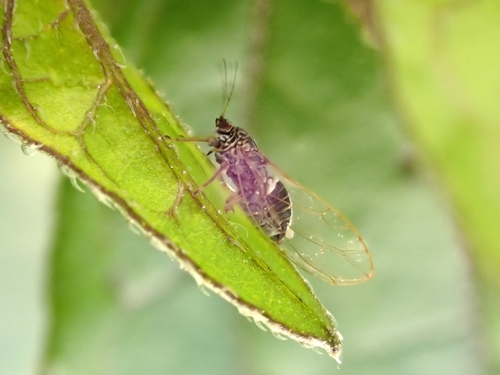
Bactericera cockerelli

Daily sighting probability <5% · Rare
at Phoenix

In 3 days ~10% in a week ~20%

5 Verified sightings at Phoenix
January Best month

About the Potato Psyllid

Bactericera cockerelli, also known as the potato psyllid, is a species of psyllid native to southern North America. Its range extends from Central America north to the American Pacific Northwest and parts of Manitoba, in Canada. It is restricted to the western part of the continent. As its name suggests, it is commonly found on potato and tomato crops, but has a species range that encompasses over 40 species of solanaceous plants and as many as 20 genera. Breeding hosts are generally recognised as being restricted primarily to Solanaceae, including important crop and common weed species, and a few species of Convolvulaceae, including bindweed and sweet potato. On some plants, especially potato, feeding of the nymphs causes a condition called psyllid yellows, presumed to be the result of a toxin. Both nymphs and adults can transmit the bacterium Candidatus Liberibacter.

Zebra chip is a recently diagnosed disease of potatoes associated with psyllid infestation and caused by species of the gram-negative bacterium, Candidatus Liberibacter. The tubers frequently have discolouration which becomes more clear during frying of chips. This disease causes very significant losses to farmers when it occurs as the potatoes are not suitable for making them into chips or fries.

The pest has caused significant loss in potato yields during periods of major population increase. Maximum potato yield loss appears to be related to infestations occurring early in the growing season, or on crops with a significant leaf canopy by summer. The psyllids are not heat tolerant and it is thought they survive summer temperatures in crops with sufficient leaf canopy through summer to offer shade.

The nymphs are very small and inconspicuous, feeding on the underside of leaves. Both nymphs and adults feed in the phloem. These psyllids have long been thought to migrate annually from the southern regions of North America northwards, but more recent evidence indicates distinct populations exist regionally. Wikipedia →
Global Distribution

Parks Where Found

# Park Country Daily sighting probability

More parks will be added in future updates.

Cities Where Found

# City Country Daily sighting probability
1 Phoenix 🇺🇸 United States
<5%

Before you go

What are the chances of seeing a Potato Psyllid in Phoenix?

Rare

Under 5% of wildlife watchers report a Potato Psyllid sighting in Phoenix on a given day, based on 5 verified sightings from GBIF citizen-science data. It is the 236th most-seen of the 264 insects we can rate there. Over three days the chance rises to about 10%, and over a week to about 20%, if each day is a fresh chance.

When is the best time to see a Potato Psyllid in Phoenix?

January and February

In those months about 10% of wildlife watchers report a Potato Psyllid in Phoenix on a given day, against under 5% in March to December, the lowest months. Those are among Phoenix's wettest months, with about 35 mm of rain a month against almost none in June.

Where else can you see a Potato Psyllid?

Only Phoenix, in our data

Phoenix is the only city on Wallace's Line with enough records to rate Potato Psyllid sightings: under 5% of wildlife watchers there report one on a given day.

Which relatives of the Potato Psyllid live in Phoenix?

Same order: Hemiptera

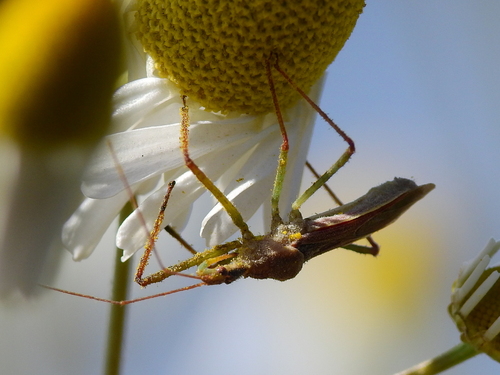
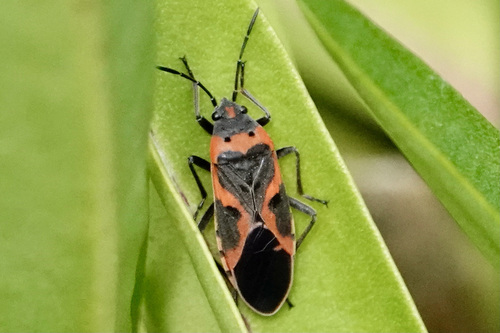
The closest relatives of the Potato Psyllid that you can see in Phoenix (order Hemiptera, True Bugs, Hoppers, Aphids, and allies) are Small Milkweed Bug (about 10%), Leafhopper Assassin Bug (about 10%) and Smoketree Sharpshooter (about 10%), with each one's daily chance of a sighting.

Where does the Potato Psyllid sighting chance come from?

GBIF citizen-science records

It is estimated from how often the Potato Psyllid is recorded against all the insects logged in Phoenix (5 verified sightings), calibrated against known sighting rates. Figures are rounded to the nearest 10% because citizen-science data supports honest approximations, not decimals, and months with records from fewer than five people show "—". How it works.

← Back to Phoenix