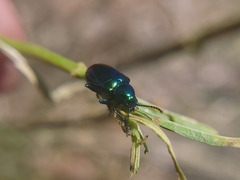
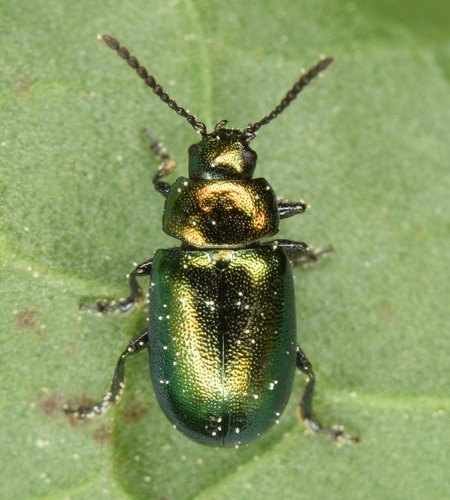
Cobalt Milkweed Beetle

Cobalt Milkweed Beetle

Chrysochus cobaltinus

Daily sighting probability <5% · Rare
at Sacramento

In 3 days ~10% in a week ~20%

8 Verified sightings at Sacramento
126 In 1 park From 2019 to 2026
August Best month
☀️ Diurnal When it's spotted

About the Cobalt Milkweed Beetle

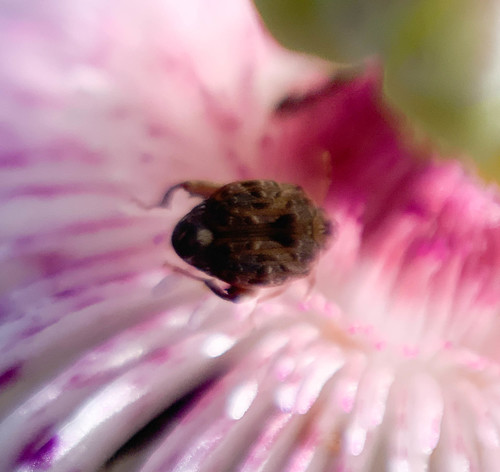
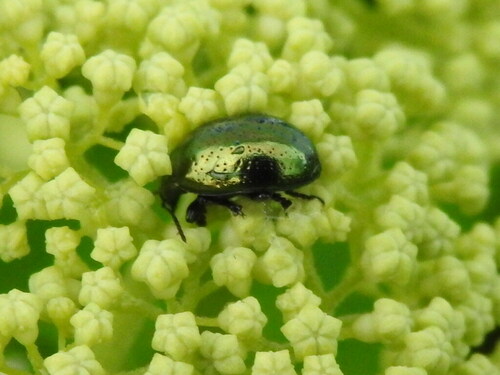
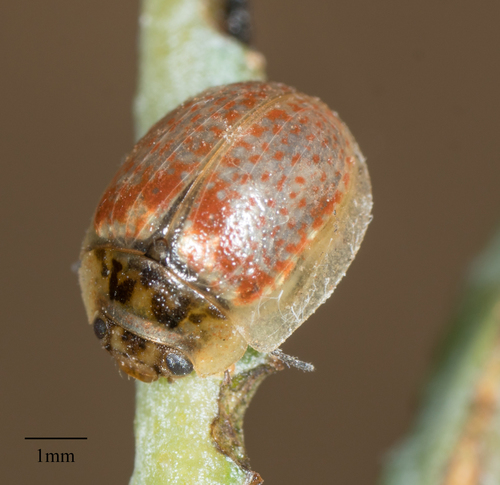
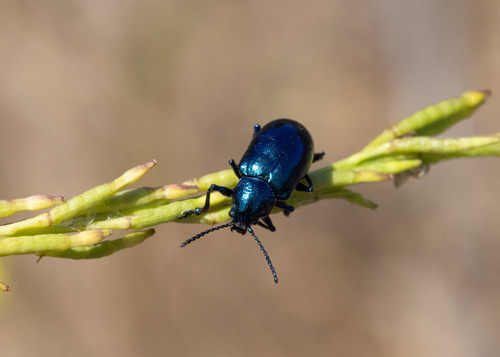
Chrysochus cobaltinus, the cobalt milkweed beetle or blue milkweed beetle, is a member of the diverse family of leaf beetles, Chrysomelidae. It is named after its cobalt-blue exoskeleton, which makes it easy to spot and distinguish, and its tendency to feed off milkweed plants. It occurs in the Western United States and British Columbia.

These beetles use dogbane and milkweed plant species as their primary source of food. Both these plants contain toxic molecules known as cardenolides. C. cobaltinus beetles are resistant to cardenolide toxic effects and can further use them for their own protection against predators. By storing them in pronotal and elytra glands, they can utilize these toxins to their advantage and evolutionary benefit.

These beetles participate in polygamous matings in which both female and male beetles mate with multiple partners. Females can particularly mate with three male beetles simultaneously. After the mating has occurred, males tend to stay mounted on the female's back for an average of 1.7 hours. This postcopulatory behavior has been attributed to increase the male's chance of producing his offspring with his paternal genes. It has been shown to prevent females from mating with other males (while the original male remains on her back) until the male removes himself.

C. cobaltinus beetles have also been shown to partake in hybrid mating between its species and C. auratus (a sister species). In hybrid zones, both beetles live in close proximity which has led to introgression between these two species. Wikipedia →
Global Distribution

Parks Where Found

# Park Country Daily sighting probability
1 Yosemite National Park 🇺🇸 United States
~20%

More parks will be added in future updates.

Cities Where Found

# City Country Daily sighting probability
1 Salt Lake City 🇺🇸 United States
<5%
2 Sacramento 🇺🇸 United States
<5%

Before you go

What are the chances of seeing a Cobalt Milkweed Beetle in Sacramento?

Rare

Under 5% of wildlife watchers report a Cobalt Milkweed Beetle sighting in Sacramento on a given day, based on 8 verified sightings from GBIF citizen-science data. It is the 293rd most-seen of the 386 insects we can rate there. Over three days the chance rises to about 10%, and over a week to about 20%, if each day is a fresh chance.

When is the best time to see a Cobalt Milkweed Beetle in Sacramento?

August

In that month about 10% of wildlife watchers report a Cobalt Milkweed Beetle in Sacramento on a given day, against under 5% in September to July, the lowest months. That is one of Sacramento's driest months, with almost no rain against 120 mm in December.

What time of day is best to see a Cobalt Milkweed Beetle?

Between 3 and 6 pm

Across all the parks we cover, that three-hour window holds the most Cobalt Milkweed Beetle sightings with a recorded time, and about 8 in 10 of them come between 6 am and 6 pm: it is a daytime animal.

Is Sacramento the best place to see a Cobalt Milkweed Beetle?

Among the best

Of the 2 cities where we can rate Cobalt Milkweed Beetle sightings, Sacramento ranks 2nd at under 5%, level with the leaders once rounded. The best odds are in Salt Lake City (United States, under 5%).

Which relatives of the Cobalt Milkweed Beetle live in Sacramento?

Same family: Chrysomelidae

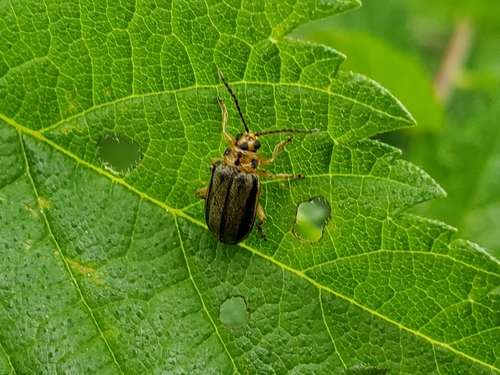
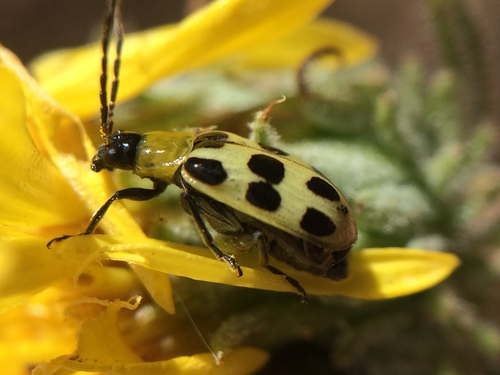
The closest relatives of the Cobalt Milkweed Beetle that you can see in Sacramento (family Chrysomelidae, Leaf Beetles) are Elm Leaf Beetle (about 10%) and Spotted Cucumber Beetle (about 10%), with each one's daily chance of a sighting.

Where does the Cobalt Milkweed Beetle sighting chance come from?

GBIF citizen-science records

It is estimated from how often the Cobalt Milkweed Beetle is recorded against all the insects logged in Sacramento (8 verified sightings), calibrated against known sighting rates. Figures are rounded to the nearest 10% because citizen-science data supports honest approximations, not decimals, and months with records from fewer than five people show "—". How it works.

← Back to Sacramento