City
San Luis Potosí
🇲🇽 México
North America, México 223 spp. recorded
San Luis Potosí, commonly referred to as San Luis, or by its initials SLP, is the capital and the most populous city of the Mexican state of San Luis Potosí. It is the municipal seat of the surrounding municipality of San Luis Potosí. Wikipedia
22.129° N 100.956° W
🦜 Nature

223 Species sighted
1,237 Verified sightings From 2019 to 2026
Nov Best month
⭐ Iconic Species


📊 Most Spotted


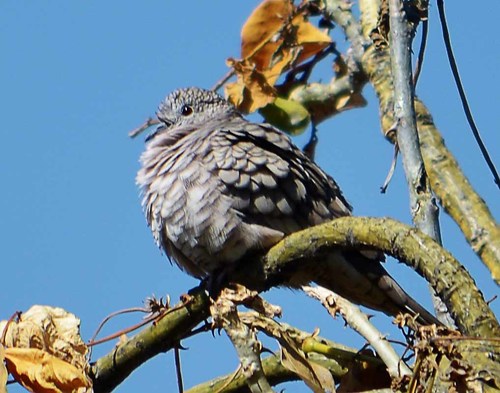


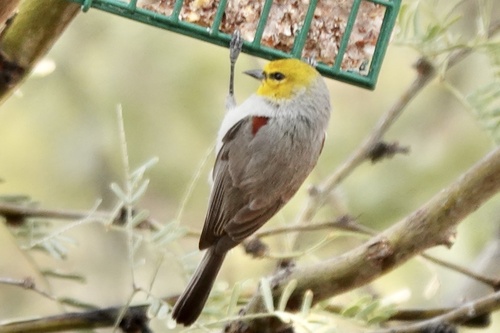


⭐ Iconic Species
📊 Most Spotted


LC
 Coyote
Canis latrans

 Western red bat
Lasiurus frantzii

LC
 Collared Peccary
Pecari tajacu

LC
 Common Raccoon
Procyon lotor

LC
 Mountain Lion
Puma concolor
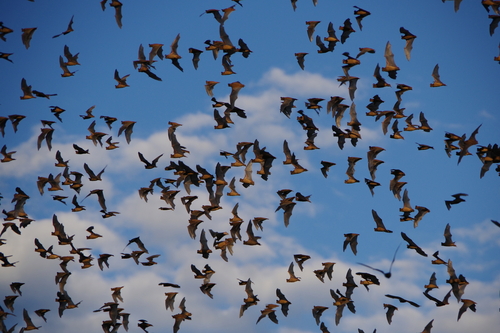
LC
 Mexican Free-tailed Bat
Tadarida brasiliensis

LC
Peters's Squirrel
Sciurus oculatus

LC
Brown Rat
Rattus norvegicus
⭐ Iconic Species
📊 Most Spotted
📊 Most Spotted


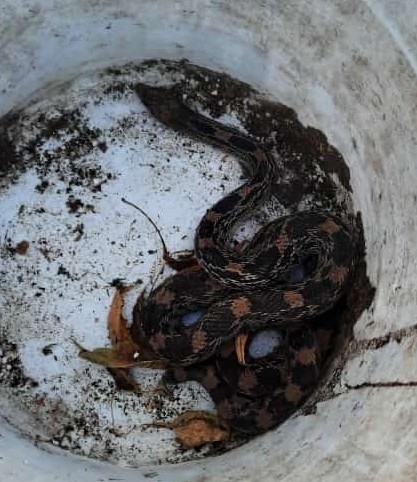




LC
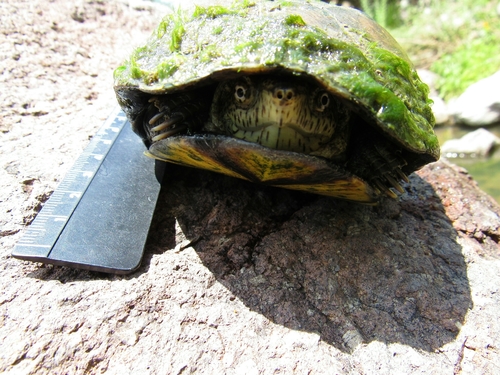
 Green Iguana
Iguana iguana

 Texas Patch-nosed Snake
Salvadora lineata

LC
Coachwhip
Masticophis flagellum
📊 Most Spotted

LC
 Giant Marine Toad
Rhinella horribilis

LC
 Red-spotted Toad
Anaxyrus punctatus

LC
 Canyon Tree Frog
Dryophytes arenicolor

LC
 Mountain Treefrog
Dryophytes eximius
LC
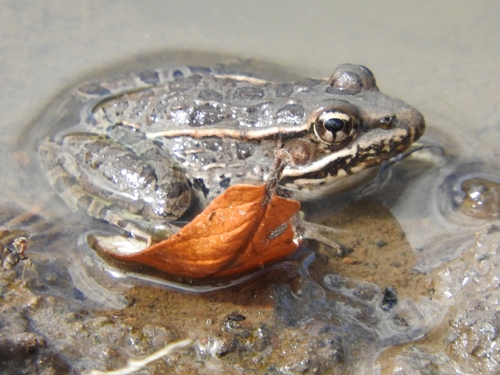
Transverse Volcanic Leopard Frog
Lithobates neovolcanicus
📊 Most Spotted
🌙 Most active after dark

LC
 Phainopepla
 nitens
LC
Giant Marine Toad
Rhinella horribilis
LC
Red-spotted Toad
Anaxyrus punctatus
LC
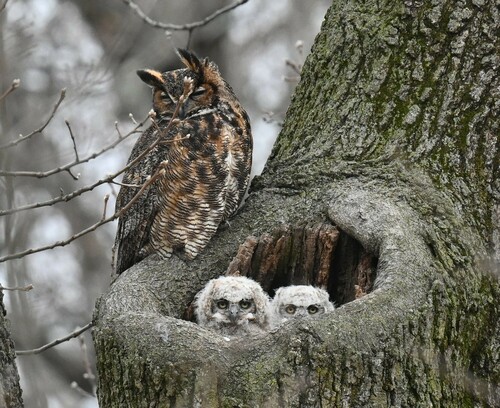
 Great Horned Owl
Bubo virginianus

LC
Mexican Whip-poor-will
Antrostomus arizonae
Recent sightings in San Luis Potosí
LIVEiNaturalistSighting Calendar
How many species you'd see in a day
15Jan
15Feb
7.5Mar
18Apr
18May
8.9Jun
12Jul
12Aug
12Sep
12Oct
20Nov
16Dec
🏙️ City
Essentials
Green cover
Low
Protected land
1%
Protected sea
—
Protected areas
2
areasWildlife spots
0
spotsZoos & centres
0
placesClimate
Hot semi-arid
Climate
Temp °C Rain mm
JanFebMarAprMayJunJulAugSepOctNovDec
0.0 Moderate
Wallace's Line Score
How good is this city for seeing wildlife? 🦜
Biodiversity
GoodHow rich is the wildlife?
3.7
Species by taxon
🦅 Birds 391
🐒 Mammals 93
🦎 Reptiles 75
🐸 Amphibians 23
582 Total Species
679 Global average across 380 cities
13 Threatened 0 Endemic
🔭
Sighting
GoodHow likely to see animals?
2.4
🎯
Top-12 Avg Probability
40% 📊
Coverage (108 species at ≥5% of 582 in the inventory)
19% 🔀
Taxon variety in top 12 (11 bird, 1 mammal)
20% 🌟
Iconic-group species (≥15%) (every species from the 19 iconic groups — monkeys, cats, toucans, macaws, sloths, crocodilians… — not just the 4 highlighted above)
0 ⭐
High-prob species (>40%)
6 🏕️
Experience
GoodHow easy and pleasant is the visit?
3.3
Climate Mixed Medium
Green cover Low Low
Protected land & sea 1% land Medium
Protected areas 2 Medium
Wildlife spots 0 Low
Zoos & centres 0 Low
What visitors say
Before you go
What animals can you see in San Luis Potosí?
223 species
San Luis Potosí's urban area has 223 recorded vertebrate species. The ones wildlife watchers report most often on a given day are Vermilion Flycatcher (about 60%), House Sparrow (about 50%), White-winged Dove (about 50%), Great-tailed Grackle (about 50%) and House Finch (about 40%). Among mammals, the most-seen is Rock Squirrel (about 40%); among reptiles, Graphic Spiny Lizard (about 20%).
When is the best time to see wildlife in San Luis Potosí?
Any time of year
Wildlife is about as easy to see all year: the city's 12 most-seen species average about 40% on a given day in every month with enough records.
Can you see a Broad-billed Hummingbird in San Luis Potosí?
Yes
About 40% of wildlife watchers report a Broad-billed Hummingbird sighting in San Luis Potosí on a given day, based on 35 verified sightings from GBIF citizen-science data from 2019 to 2026. The best time is April–May and November–December (about 50%).
Can you see a Vermilion Flycatcher in San Luis Potosí?
Yes
About 60% of wildlife watchers report a Vermilion Flycatcher sighting in San Luis Potosí on a given day, based on 49 verified sightings from GBIF citizen-science data from 2019 to 2026. The best time is May (about 70%).
Can you see a White-winged Dove in San Luis Potosí?
Yes
About 50% of wildlife watchers report a White-winged Dove sighting in San Luis Potosí on a given day, based on 40 verified sightings from GBIF citizen-science data from 2019 to 2026. The best time is January (about 60%).
Is San Luis Potosí good for wildlife watching?
2.8 out of 5
On the Wallace's Line Score, which rates each city against other cities, San Luis Potosí gets 2.8/5: 364th of 380 cities worldwide and 41st in North America. 8 of its species are reported by about 40% or more of wildlife watchers on a given day.
Nearest Cities


Nearest Parks


Nearest Zoos & Centres


Sources: urban area GHSL Urban Centre Database R2024A, European Commission JRC (CC BY 4.0) · protected land WDPA, UNEP-WCMC & IUCN (via GHSL) · climate NASA POWER · wildlife GBIF.org citizen-science data