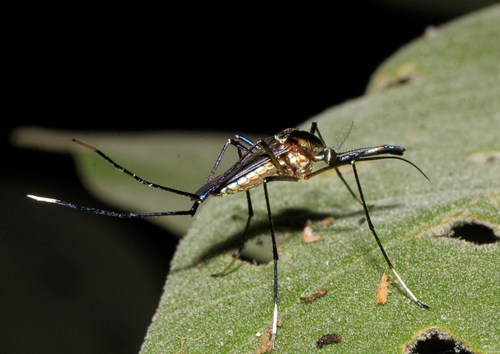
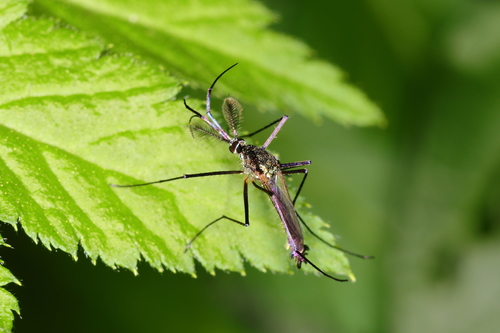
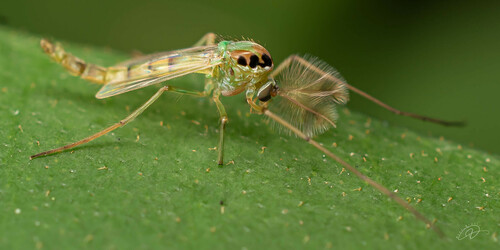
Aedes scapularis

Aedes scapularis

Aedes scapularis

Daily sighting probability <5% · Rare
at São Paulo

In 3 days ~10% in a week ~20%

14 Verified sightings at São Paulo
February Best month

About the Aedes scapularis

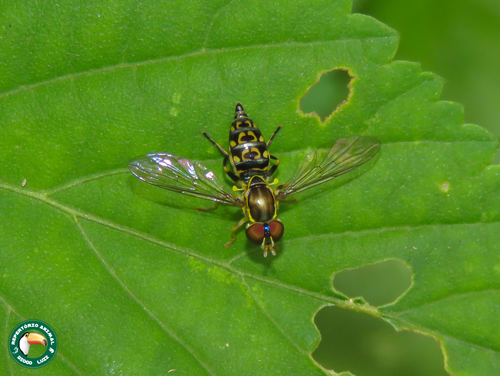
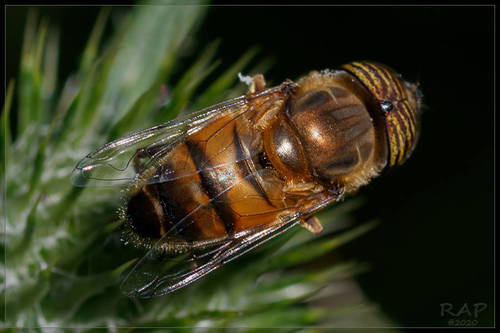
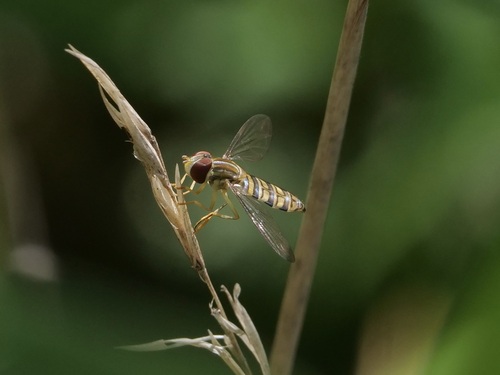
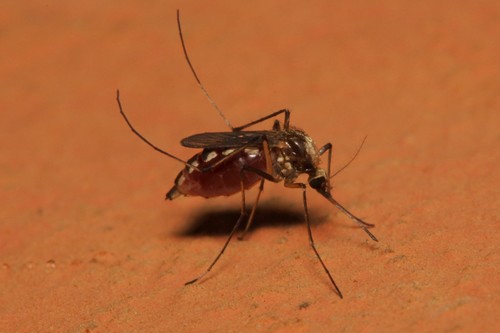
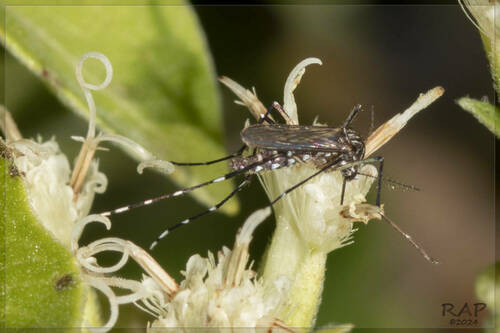
Aedes scapularis is a species of mosquito primarily found in neo-tropical regions of the Americas. Aedes scapularis is one of many species of the genus Aedes. Several Aedes species have been reclassified as Ochlerotatus, with Ae. scapulari sometimes included in this revision.

Aedes scapularis has been recorded throughout neo-tropical regions of the western hemisphere. Larval specimens were reported in the Florida Keys in 1945, and in 2020 the species was reported as being endemic in Miami-Dade and Broward counties in Florida.

Its habitat was originally associated with forest habitats, but it has become urbanized and is now reported breeding in artificial water containers. Forattini & Gomes 1988 reported that this mosquito showed diurnal and nocturnal activity, but was most active during the evening crepuscular period.

It is known to bite humans and can carry a number of diseases, including yellow fever, Venezuelan equine encephalitis virus, and other human pathogens. In 2021, authorities in southeastern Florida stated that, although it has become established there, this species of mosquito is not considered... Wikipedia →
Global Distribution

Parks Where Found

# Park Country Daily sighting probability

More parks will be added in future updates.

Cities Where Found

# City Country Daily sighting probability
1 São Paulo 🇧🇷 Brazil
<5%

Before you go

What are the chances of seeing an Aedes scapularis in São Paulo?

Rare

Under 5% of wildlife watchers report an Aedes scapularis sighting in São Paulo on a given day, based on 14 verified sightings from GBIF citizen-science data. It is the 425th most-seen of the 832 insects we can rate there. Over three days the chance rises to about 10%, and over a week to about 20%, if each day is a fresh chance.

When is the best time to see an Aedes scapularis in São Paulo?

February and October

In those months about 10% of wildlife watchers report an Aedes scapularis in São Paulo on a given day, against under 5% in March–September and November–January, the lowest months.

Where else can you see an Aedes scapularis?

Only São Paulo, in our data

São Paulo is the only city on Wallace's Line with enough records to rate Aedes scapularis sightings: under 5% of wildlife watchers there report one on a given day.

Where does the Aedes scapularis sighting chance come from?

GBIF citizen-science records

It is estimated from how often the Aedes scapularis is recorded against all the insects logged in São Paulo (14 verified sightings), calibrated against known sighting rates. Figures are rounded to the nearest 10% because citizen-science data supports honest approximations, not decimals, and months with records from fewer than five people show "—". How it works.

← Back to São Paulo