About the Lonomia obliqua
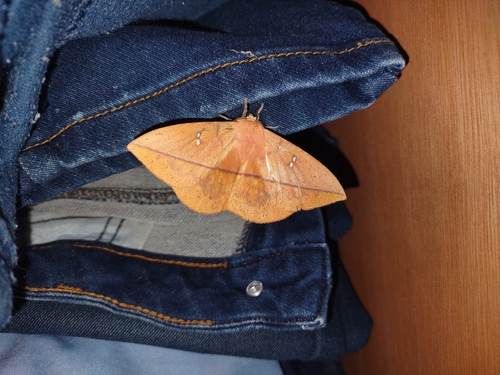
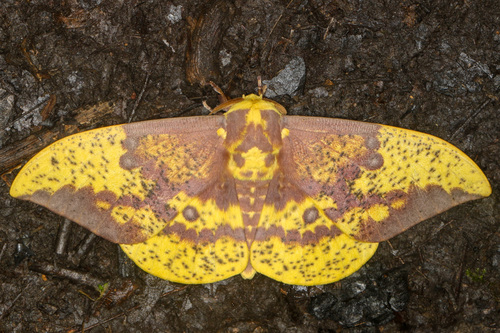
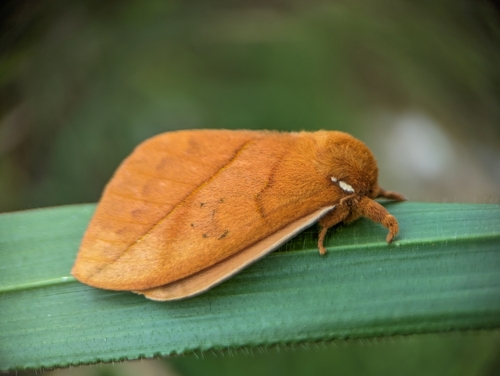
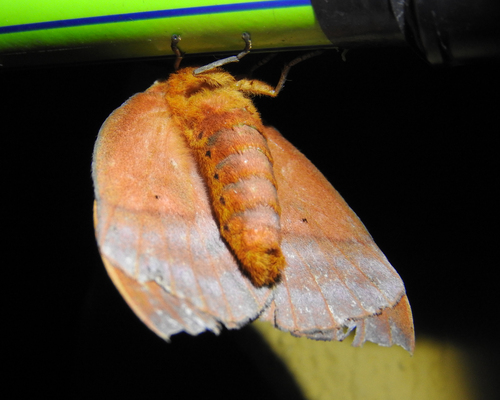
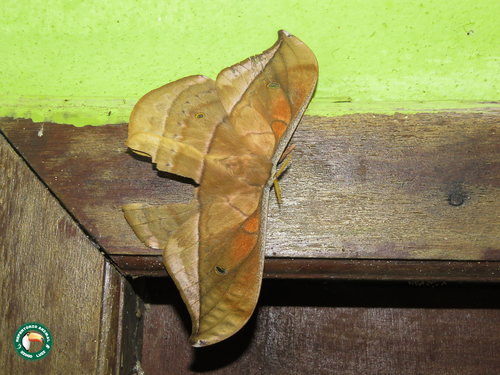
Lonomia obliqua is a species of saturniid moth ("giant silk moth") from South America. It is famous for its larval form, rather than the adult moth, primarily because of the caterpillar's defense mechanism, urticating bristles that inject a potentially deadly venom. The caterpillar has been responsible for many human deaths, especially in southern Brazil. Its venom has been the subject of numerous medical studies. The species was first described by Francis Walker in 1855. Guinness World Records classified Lonomia obliqua as the most venomous caterpillar in the world.
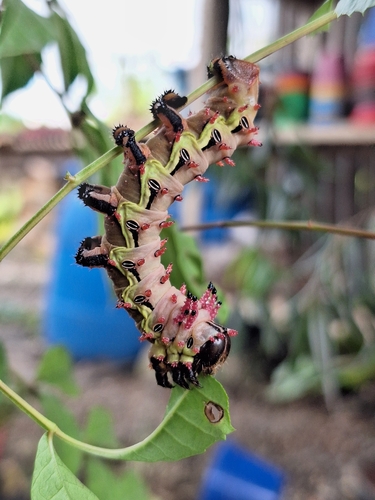
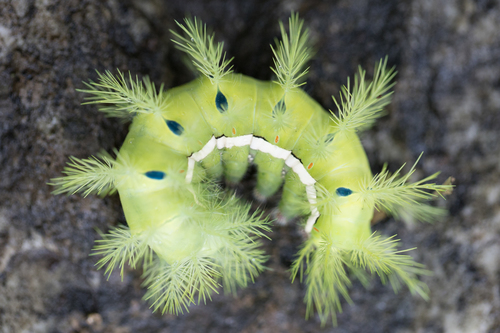
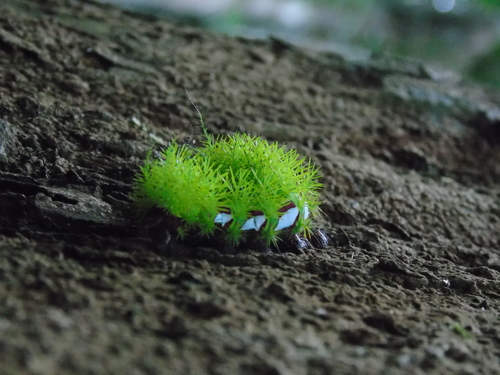
These caterpillars are about 4.1 to 6.7 centimeters (about 2 in) long, with background colors ranging from green to brown. Well camouflaged, they have rows of tubercles crowned with whorls of easily detachable spines of different sizes.
Caterpillars of many species can cause irritation by their hollow body hairs that envenom or detach easily, or can be poisonous if ingested. Prior to investigations into Lonomia caterpillars, it was not known that caterpillars could produce toxins in sufficient quantities to kill a human. Lonomia obliqua is found in the south of Brazil in the states of Rio... Wikipedia →