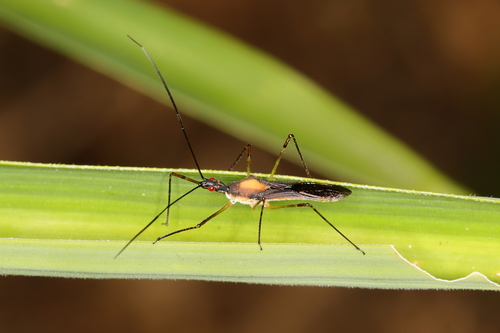
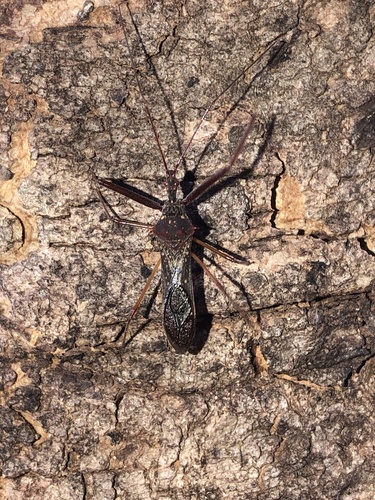
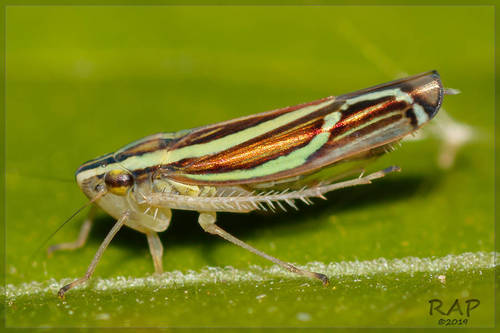
Panstrongylus megistus

Panstrongylus megistus

Panstrongylus megistus

Daily sighting probability <5% · Rare
at São Paulo

In 3 days ~10% in a week ~20%

8 Verified sightings at São Paulo
December Best month

About the Panstrongylus megistus

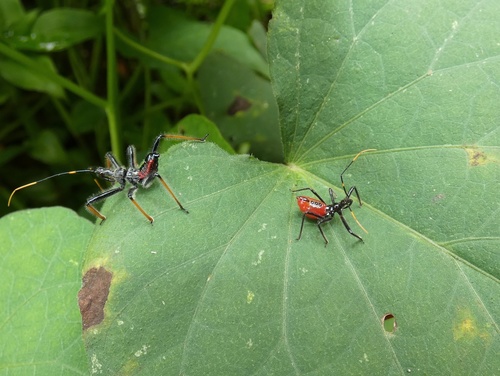
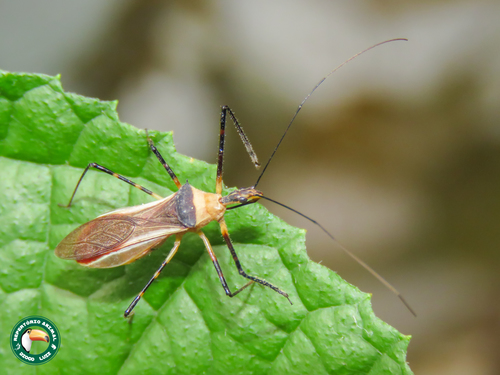
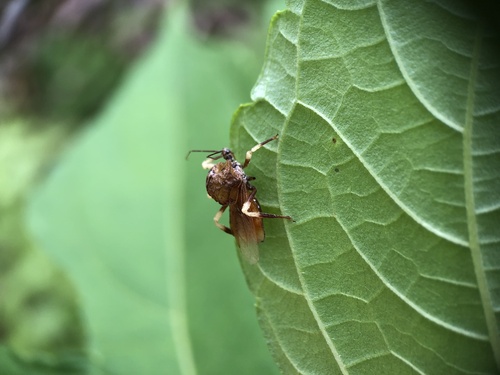
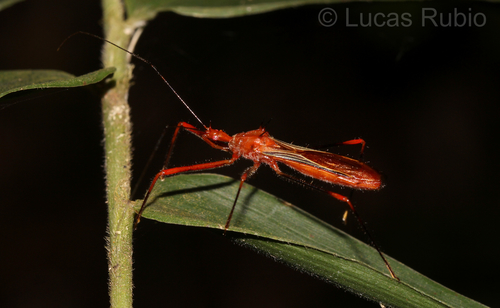
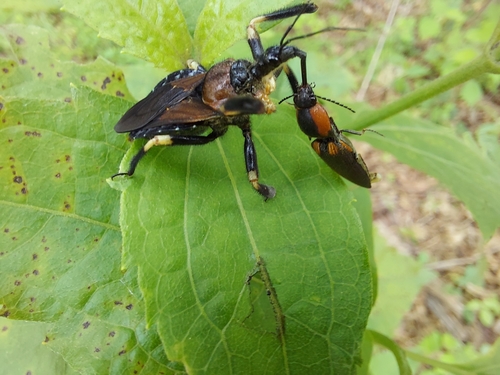
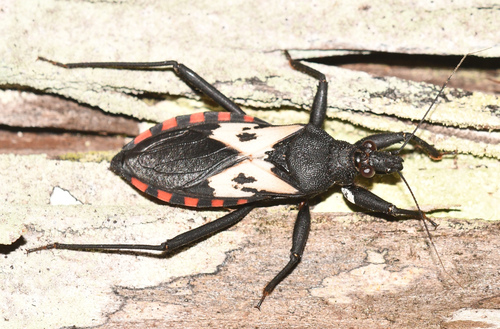
Panstrongylus megistus is a blood-drinking insect in the subfamily Triatominae. It is found in the Guianas, Brazil, Bolivia, Paraguay, Uruguay and Argentina. It is an important vector of Trypanosoma cruzi (the causative agent of Chagas disease), found particularly in Brazil. Besides humans, P. megistus is known to feed on birds, rodents, horses, dogs, opossums and bats.

P. megistus is frequently found in domestic dwellings in Brazil, while in other countries it is largely a wild species. Within Brazil, the P. megistus's range stretches from the northeast to the south of the country, corresponding roughly with the Atlantic Forest region, though the species also occupies parts of the caatinga and cerrado ecoregions. The states of Bahia and Minas Gerais have the highest populations of P. megistus in Brazil. In southern parts of the country, domestic colonization is rare.

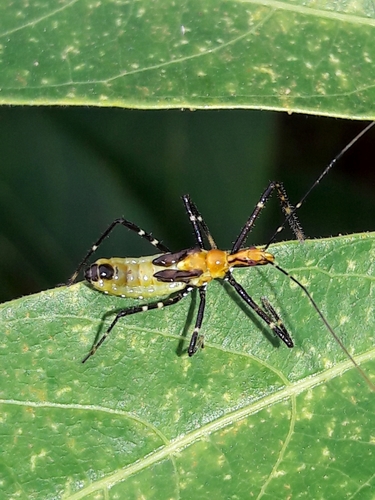
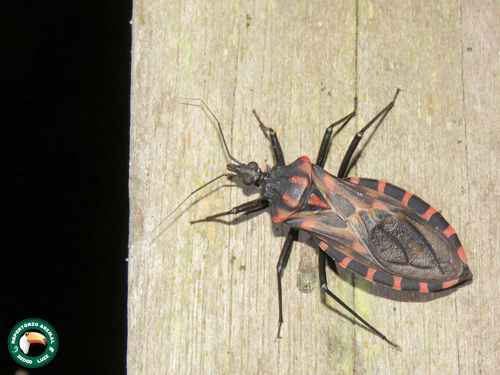
The species was described in 1835 by Hermann Burmeister, who termed it Conorhinus megistus. It was identified as a vector for Chagas disease in Carlos Chagas's original 1909 description of the condition. The insects are typically black in colour with red markings.

Media related to... Wikipedia →
Global Distribution

Parks Where Found

# Park Country Daily sighting probability

More parks will be added in future updates.

Cities Where Found

# City Country Daily sighting probability
1 São Paulo 🇧🇷 Brazil
<5%

Before you go

What are the chances of seeing a Panstrongylus megistus in São Paulo?

Rare

Under 5% of wildlife watchers report a Panstrongylus megistus sighting in São Paulo on a given day, based on 8 verified sightings from GBIF citizen-science data. It is the 568th most-seen of the 832 insects we can rate there. Over three days the chance rises to about 10%, and over a week to about 20%, if each day is a fresh chance.

When is the best time to see a Panstrongylus megistus in São Paulo?

December

In that month about 10% of wildlife watchers report a Panstrongylus megistus in São Paulo on a given day, against under 5% in January to November, the lowest months. That is one of São Paulo's wettest months, with about 180 mm of rain against 35 mm in August.

Where else can you see a Panstrongylus megistus?

Only São Paulo, in our data

São Paulo is the only city on Wallace's Line with enough records to rate Panstrongylus megistus sightings: under 5% of wildlife watchers there report one on a given day.

Which relatives of the Panstrongylus megistus live in São Paulo?

Same family: Reduviidae

The closest relatives of the Panstrongylus megistus that you can see in São Paulo (family Reduviidae, Assassin Bugs) are Arilus carinatus (about 10%), Zelus versicolor (about 10%) and Zelus armillatus (about 10%), with each one's daily chance of a sighting.

Where does the Panstrongylus megistus sighting chance come from?

GBIF citizen-science records

It is estimated from how often the Panstrongylus megistus is recorded against all the insects logged in São Paulo (8 verified sightings), calibrated against known sighting rates. Figures are rounded to the nearest 10% because citizen-science data supports honest approximations, not decimals, and months with records from fewer than five people show "—". How it works.

← Back to São Paulo