

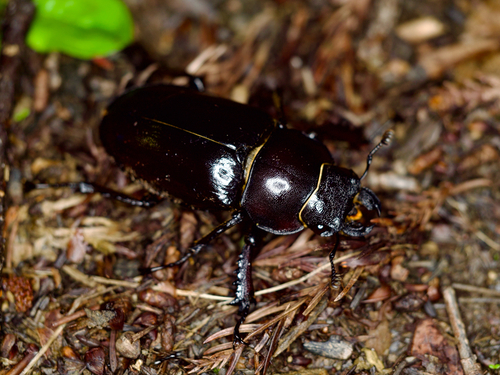
Carabus insulicola

Carabus insulicola

Carabus insulicola

Daily sighting probability ~10% · With luck
at Sendai

In 3 days ~20% in a week ~50%

6 Verified sightings at Sendai
May Best month

About the Carabus insulicola

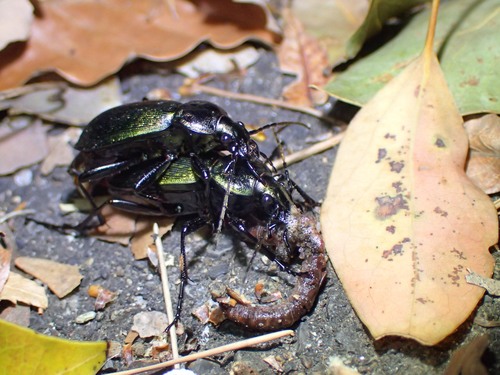
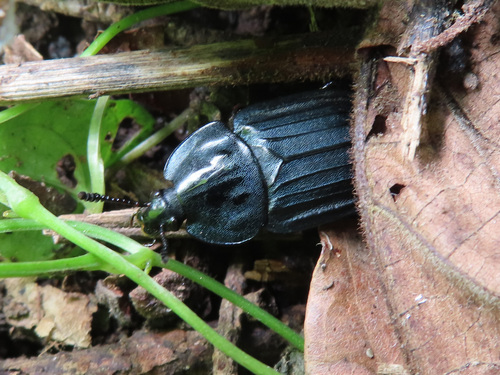
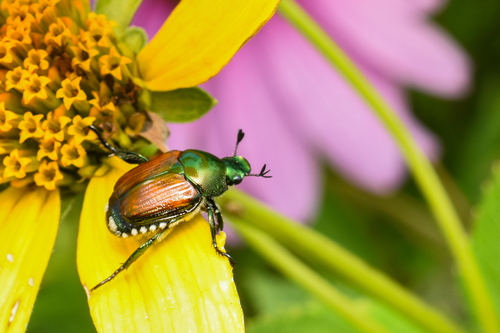
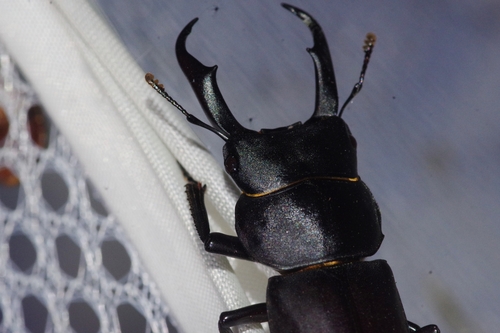
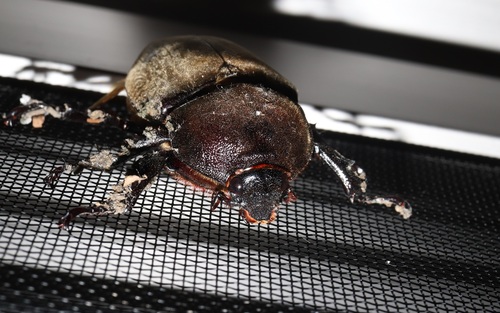
Carabus insulicola is a species of black-colored beetle from the family Carabidae native to Japan. They are also known as ground beetles, and are oval shaped and elongated. They are black with a green metallic hue and vertical stripes running down their backs. The length of a fully grown beetle ranges from 27 to 31 mm. They have three pairs of legs and two pairs of wings. The outer wings are greatly degenerated, making them unable to fly. However, their relatively long legs allow them to walk and run fast. They have prominent mandibles that allow them to capture and eat prey.

This ground beetle species is most active during the summer, which is when their mating season occurs. Both females and males can mate with multiple partners during one mating season. This creates a unique situation for sperm competition to occur. Two methods that male C. insulicola use to increase their reproductive success are post-copulatory guarding and spermatophore displacement. Post-copulatory guarding is when a male remains on the female’s back after copulation, which increases the likelihood of the first mate fertilizing the eggs. Spermatophore displacement is when the second mate replaces the first mate’s spermatophore from the optimal position in the vagina with his own spermatophore, which increases his own chances of fertilizing the eggs. The male genitalia have evolved to make spermatophore displacement more efficient, but in response, female genitalia have coevolved to minimize female fitness costs. Wikipedia →

Global Distribution

Parks Where Found

# Park Country Daily sighting probability

More parks will be added in future updates.

Cities Where Found

# City Country Daily sighting probability
1 Sendai 🇯🇵 Japan
~10%
2 Tokyo 🇯🇵 Japan
~10%

Before you go

What are the chances of seeing a Carabus insulicola in Sendai?

With luck

About 10% of wildlife watchers report a Carabus insulicola sighting in Sendai on a given day, based on 6 verified sightings from GBIF citizen-science data. It is the 106th most-seen of the 128 insects we can rate there. Over three days the chance rises to about 20%, and over a week to about 50%, if each day is a fresh chance.

When is the best time to see a Carabus insulicola in Sendai?

February, May and August

In those months about 20% of wildlife watchers report a Carabus insulicola in Sendai on a given day, against under 5% in March–April, June–July and September–January, the lowest months.

Is Sendai the best place to see a Carabus insulicola?

Yes

Of the 2 cities where we can rate Carabus insulicola sightings, Sendai has the highest daily chance: about 10%. Next come Tokyo (Japan, about 10%).

Which relatives of the Carabus insulicola live in Sendai?

Same order: Coleoptera

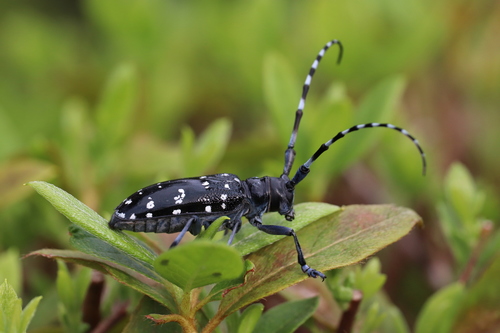
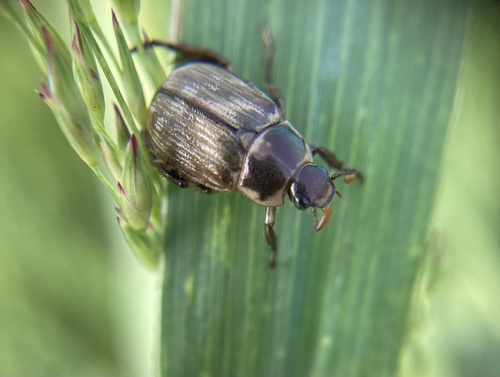
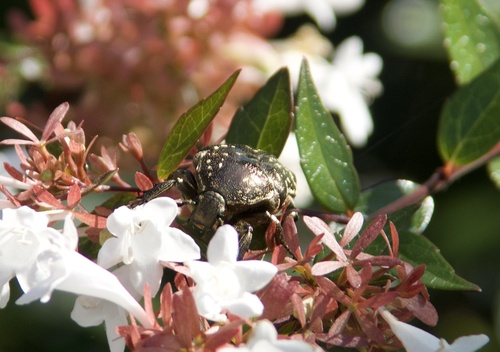
The closest relatives of the Carabus insulicola that you can see in Sendai (order Coleoptera, Beetles) are Asian Lady Beetle (about 20%), Citrus Longhorn Beetle (about 20%) and Oriental Beetle (about 20%), with each one's daily chance of a sighting.

Where does the Carabus insulicola sighting chance come from?

GBIF citizen-science records

It is estimated from how often the Carabus insulicola is recorded against all the insects logged in Sendai (6 verified sightings), calibrated against known sighting rates. Figures are rounded to the nearest 10% because citizen-science data supports honest approximations, not decimals, and months with records from fewer than five people show "—". How it works.

← Back to Sendai