Plecia longiforceps

Plecia longiforceps

Plecia longiforceps

Daily sighting probability ~20% · Possible
at Seoul

In 3 days ~40% in a week ~70%

145 Verified sightings at Seoul
June Best month

About the Plecia longiforceps

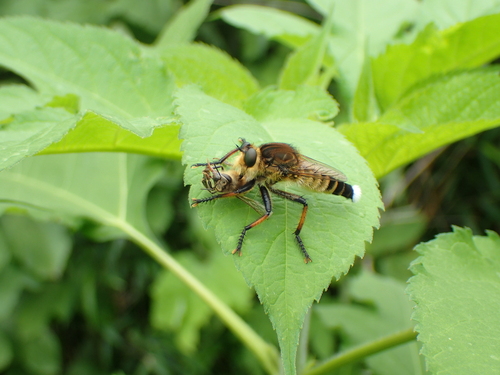
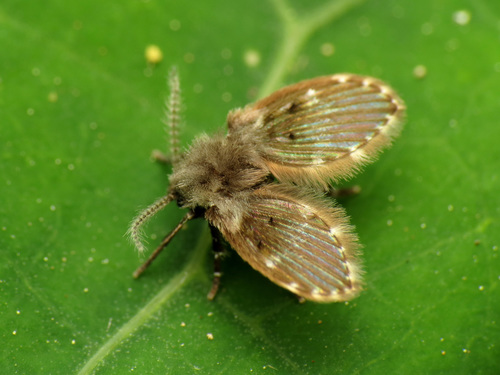
Plecia longiforceps is a species of march fly native to southeastern China and Taiwan. It has spread to the Ryukyu Islands of Japan and to South Korea. Like several other species in the genus Plecia, it is known as a lovebug because mating adults often remain joined while flying. Large seasonal swarms have occurred in the Seoul Capital Area since 2022.

The German dipterist Oswald Duda described Plecia longiforceps in 1934 from specimens collected in Kiangsu (now Jiangsu), China. Plecia sinensis, described by D. Elmo Hardy in 1953, was later placed in synonymy with P. longiforceps. Early South Korean news reports identified the insects as the North American lovebug Plecia nearctica, but a study of morphology and mitochondrial DNA found the two species to be only distantly related.

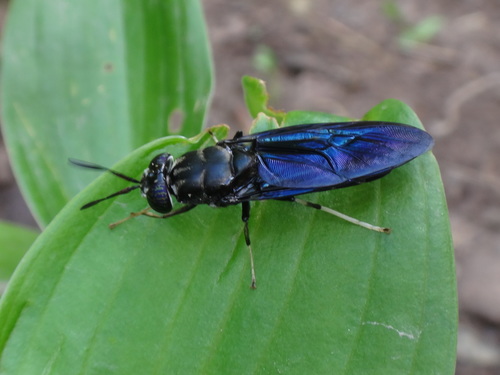
Adults have a black body and a distinctive rufous (reddish) thorax. Mating pairs often remain attached end to end while flying. The species has two flight seasons a year in the subtropical Ryukyu Islands, in spring and autumn, but in the cooler Korean climate it emerges only once, in late June and early July. The soil-dwelling larvae feed on and decompose organic... Wikipedia →
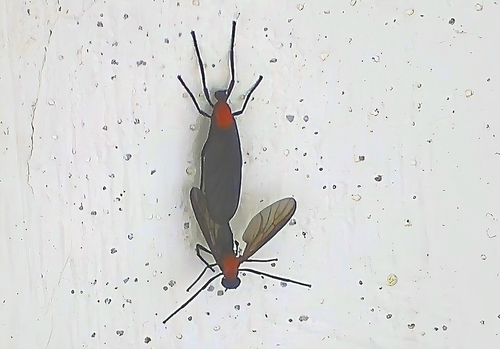
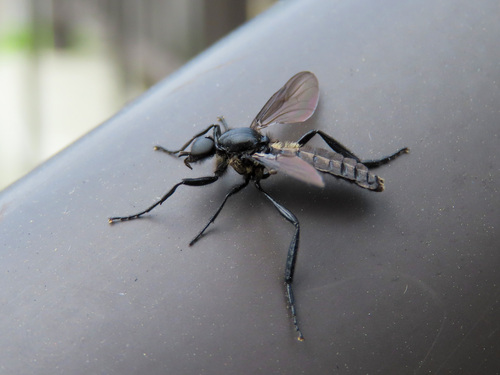
Global Distribution

Parks Where Found

# Park Country Daily sighting probability

More parks will be added in future updates.

Cities Where Found

# City Country Daily sighting probability
1 Seoul 🇰🇷 South Korea
~20%

Before you go

What are the chances of seeing a Plecia longiforceps in Seoul?

Possible

About 20% of wildlife watchers report a Plecia longiforceps sighting in Seoul on a given day, based on 145 verified sightings from GBIF citizen-science data. It is the 16th most-seen of the 525 insects we can rate there. Over three days the chance rises to about 40%, and over a week to about 70%, if each day is a fresh chance.

When is the best time to see a Plecia longiforceps in Seoul?

June

In that month about 50% of wildlife watchers report a Plecia longiforceps in Seoul on a given day, against under 5% in August to May, the lowest months.

Where else can you see a Plecia longiforceps?

Only Seoul, in our data

Seoul is the only city on Wallace's Line with enough records to rate Plecia longiforceps sightings: about 20% of wildlife watchers there report one on a given day.

Where does the Plecia longiforceps sighting chance come from?

GBIF citizen-science records

It is estimated from how often the Plecia longiforceps is recorded against all the insects logged in Seoul (145 verified sightings), calibrated against known sighting rates. Figures are rounded to the nearest 10% because citizen-science data supports honest approximations, not decimals, and months with records from fewer than five people show "—". How it works.

← Back to Seoul