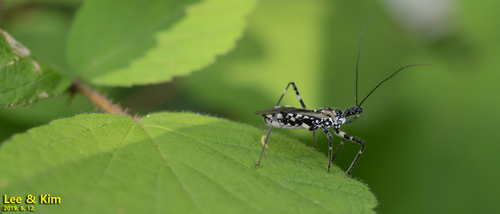
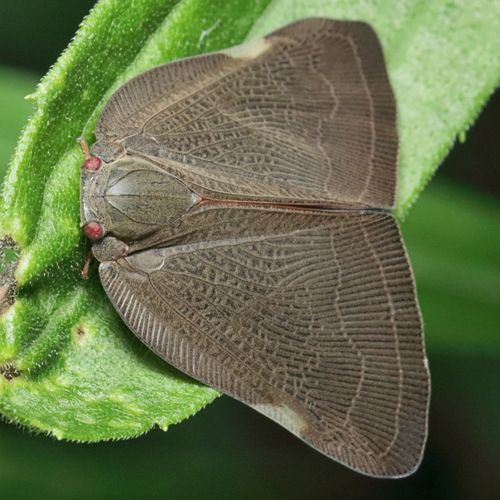
Spotted Lanternfly

Spotted Lanternfly

Lycorma delicatula

Daily sighting probability ~20% · Possible
at Seoul

In 3 days ~60% in a week ~90%

257 Verified sightings at Seoul
542 In 1 park From 2019 to 2026
July Best month
☀️ Diurnal When it's spotted

About the Spotted Lanternfly

The spotted lanternfly (Lycorma delicatula) is a species of planthopper indigenous to parts of China and Vietnam. It was accidentally introduced into South Korea and has spread invasively to Japan, 21 U.S. states, and Windsor, Ontario in Canada, (where it is often referred to by the acronym "SLF") and parts of Eastern Europe including Moldova. Its preferred host is the also invasive tree of heaven (Ailanthus altissima), but it also feeds on other trees, and on crops including soybean, grapes, stone fruits, and the Malus (apple) genus. In its native habitat, L. delicatula populations are regulated by parasitic wasps.

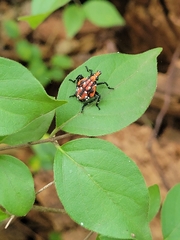
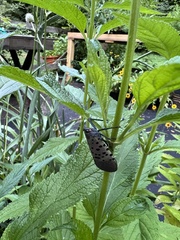
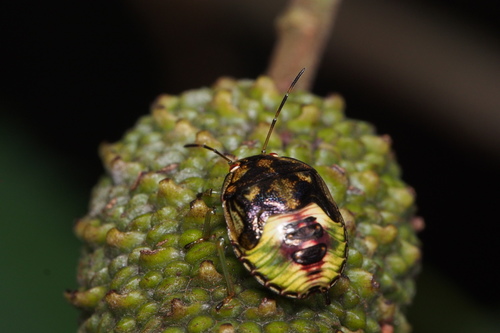
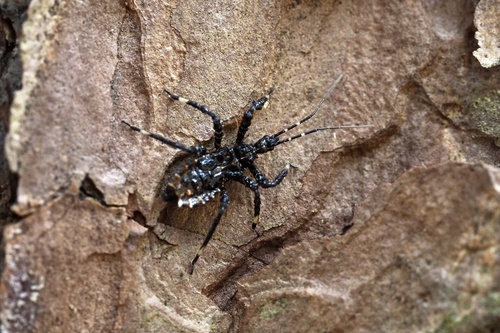
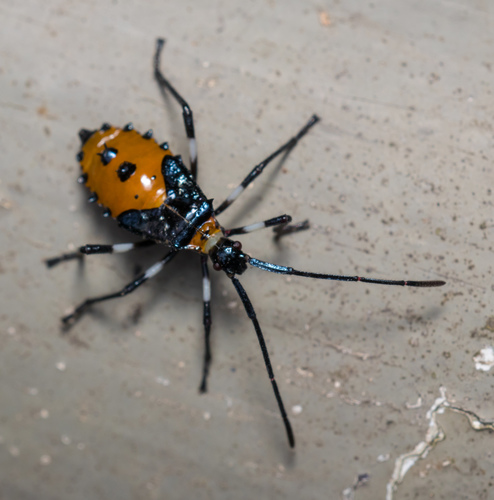
The spotted lanternfly's life cycle is often centered on its preferred host, Ailanthus altissima, but L. delicatula can associate with more than 173 plants. Early life stages (instars) of the spotted lanternfly are characterized by spotted black and white nymphs that develop a red pigmentation and wings as they mature. Early life instars have a large host range that narrows with maturation. Adult spotted lanternflies have a black head, grey fore wings, and red hind wings. Adults do not have any specialized feeding associations with herbaceous plants but cause extensive damage to crops and ornamental plants. The piercing wounds caused by their mouthparts and the honeydew waste they excrete are harmful to the health of host plants. They feed on the sap of host plants, including the tree of heaven, which is also invasive in the United States. The spotted lanternfly does not pose direct danger to humans through biting or stinging. Spotted lanternflies lay egg masses containing 30–50 eggs, often covered with a grayish mud-like coating.

The species was introduced into South Korea in 2006 and Japan in 2009, where it has since been considered a pest. In September 2014, L. delicatula was first recorded in the United States, and as of 2022, it is considered an invasive species in much of the Northeastern United States, rapidly spreading south and west. L. delicatula's egg masses are the primary vector of spread, with Ailanthus altissima populations seen as a risk factor for further infestation globally. Ongoing pest control efforts have sought to limit population growth, due to the threat L. delicatula poses to global agricultural industries. Parts of the United States have undergone massive pest control efforts to cull the spotted lanternfly's population. However, this process indirectly harms other species. Wikipedia →
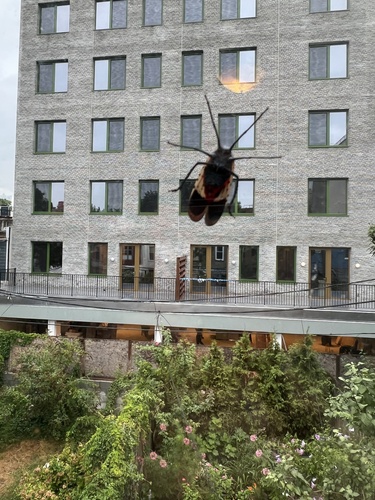
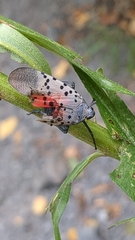
Global Distribution

Parks Where Found

# Park Country Daily sighting probability
1 Shenandoah National Park 🇺🇸 United States
~50%

More parks will be added in future updates.

Cities Where Found

# City Country Daily sighting probability
1 Shijiazhuang 🇨🇳 China
~40%
2 Baltimore 🇺🇸 United States
~40%
3 Philadelphia 🇺🇸 United States
~40%
4 New York City 🇺🇸 United States
~40%
5 Lanzhou 🇨🇳 China
~40%
6 Xi'an 🇨🇳 China
~40%
7 Gwangju 🇰🇷 South Korea
~40%
8 Tianjin 🇨🇳 China
~40%
9 Washington 🇺🇸 United States
~40%
10 Jinan 🇨🇳 China
~40%

Before you go

What are the chances of seeing a Spotted Lanternfly in Seoul?

Possible

About 20% of wildlife watchers report a Spotted Lanternfly sighting in Seoul on a given day, based on 257 verified sightings from GBIF citizen-science data. It is the 3rd most-seen of the 525 insects we can rate there. Over three days the chance rises to about 60%, and over a week to about 90%, if each day is a fresh chance.

When is the best time to see a Spotted Lanternfly in Seoul?

July

In that month about 40% of wildlife watchers report a Spotted Lanternfly in Seoul on a given day, against under 5% in January to April, the lowest months. That is one of Seoul's wettest months, with about 360 mm of rain against 20 mm in January.

What time of day is best to see a Spotted Lanternfly?

Between 10 am and 1 pm

Across all the parks we cover, that three-hour window holds the most Spotted Lanternfly sightings with a recorded time, and about 9 in 10 of them come between 6 am and 6 pm: it is a daytime animal.

Is Seoul the best place to see a Spotted Lanternfly?

18th of 27

Of the 27 cities where we can rate Spotted Lanternfly sightings, Seoul ranks 18th at about 20%. The best odds are in Shijiazhuang (China, about 40%), Baltimore (United States, about 40%) and Philadelphia (United States, about 40%).

Which relatives of the Spotted Lanternfly live in Seoul?

Same order: Hemiptera

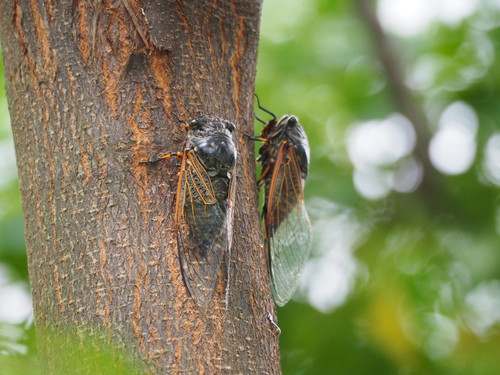
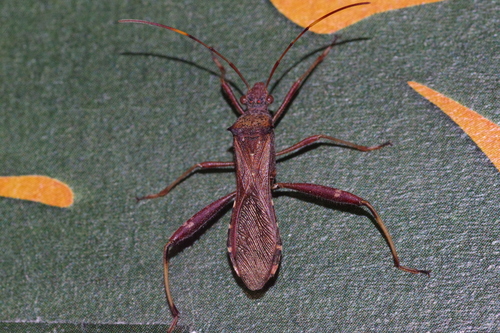
The closest relatives of the Spotted Lanternfly that you can see in Seoul (order Hemiptera, True Bugs, Hoppers, Aphids, and allies) are Robust Cicada (about 30%), Eastern Horse Cicada (about 20%) and Riptortus pedestris (about 10%), with each one's daily chance of a sighting.

Where does the Spotted Lanternfly sighting chance come from?

GBIF citizen-science records

It is estimated from how often the Spotted Lanternfly is recorded against all the insects logged in Seoul (257 verified sightings), calibrated against known sighting rates. Figures are rounded to the nearest 10% because citizen-science data supports honest approximations, not decimals, and months with records from fewer than five people show "—". How it works.

← Back to Seoul