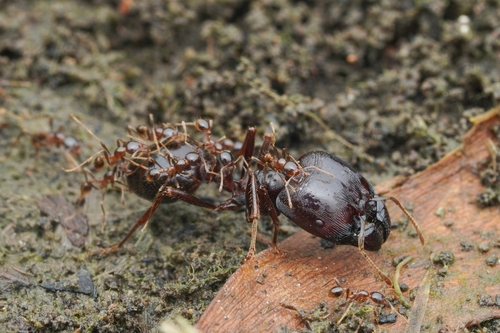
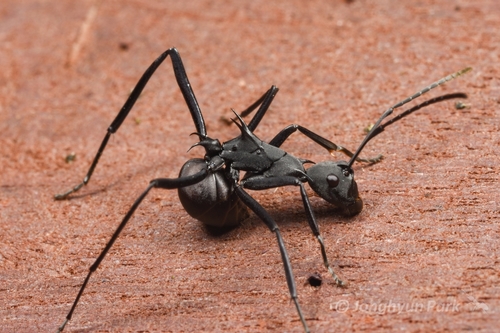
About the Dorylus laevigatus
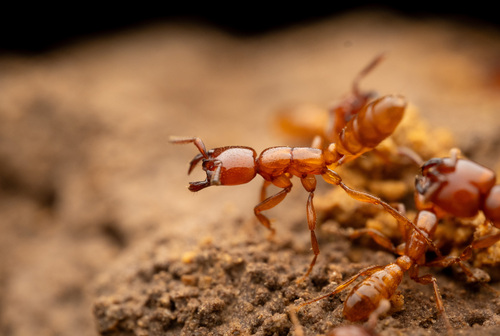
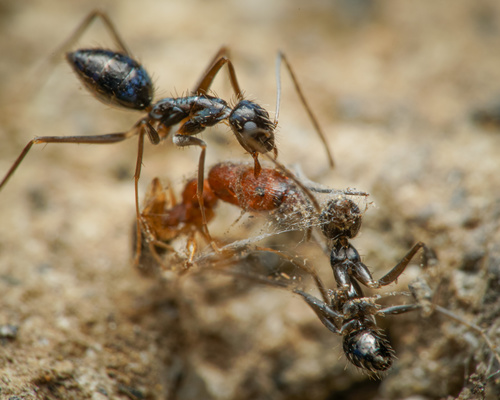
Dorylus laevigatus is a member of the army ant genus Dorylus, or Old World army ants. More specifically known as "driver ants", the genus Dorylus is abundant throughout Africa and stretches into tropical Asia, where D. laevigatus is primarily found. They are a eusocial colony-forming species, which live primarily underground, rarely venturing to the surface for any reason. D. laevigatus colonies are small for army ants, estimated averages falling between 30,000 and 1,000,000 individuals.
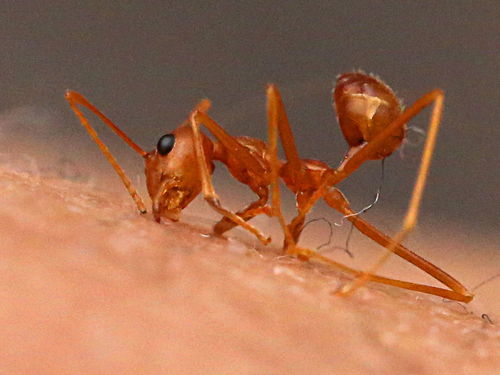
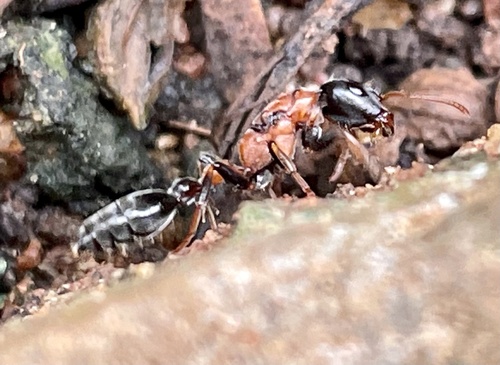
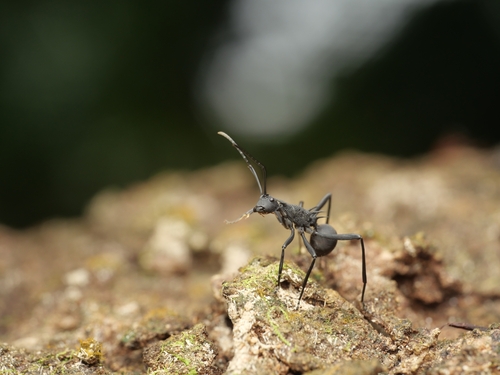
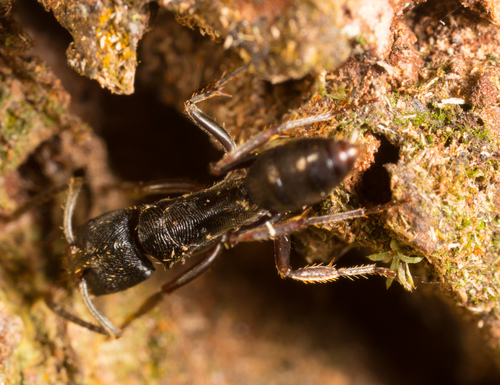
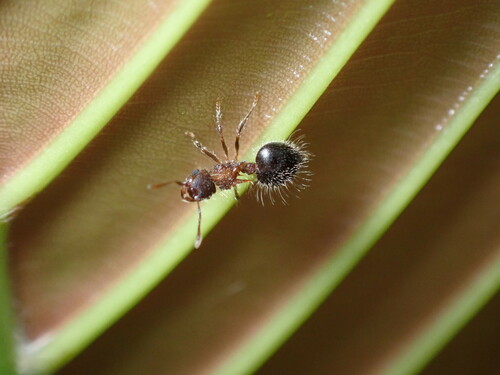
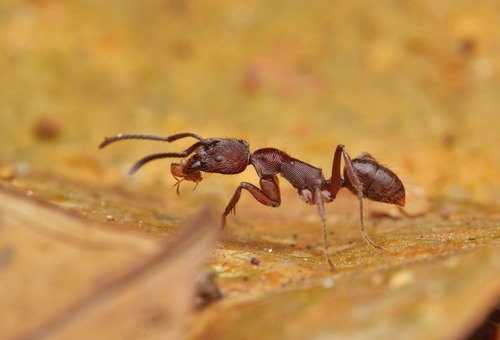
Dorylus laevigatus shares the typical morphological characteristics common of all ants, including three body segments known as tagmata, a slim waist joining the second and third tagmata called the petiole, and mandibulate mouth parts located on the head for holding and breaking down food. Characteristic of their genus, D. laevigatus is blind, possessing no eyes and communicating entirely through pheromones. As a holometabolous insect, D. laevigatus larvae differ significantly from the mature adults, closely resembling white maggots.
D. laevigatus has a high degree of caste polymorphism, meaning that individuals within the species have radically different morphological characteristics... Wikipedia →