Nicrophorus nepalensis

Nicrophorus nepalensis

Nicrophorus nepalensis

Daily sighting probability <5% · Rare
at Taipei

In 3 days ~10% in a week ~20%

21 Verified sightings at Taipei
12 In 1 park From 2019 to 2026
March Best month
☀️ Diurnal When it's spotted

About the Nicrophorus nepalensis

Nicrophorus nepalensis, commonly known as burying beetle, is widespread across tropical and subtropical countries in Asia. It belongs to the order Coleoptera and the family Silphidae, and is part of the nepalensis species-group, which is the second largest species group within the genus Nicrophorus. N. nepalensis differs from some other beetles in that it exhibits biparental care. Its role as a decomposer is crucial in the energy cycle and energy transformation in the ecosystem.

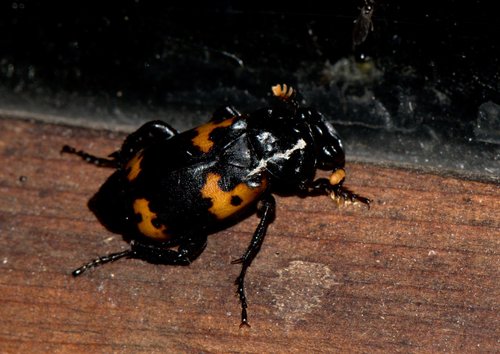
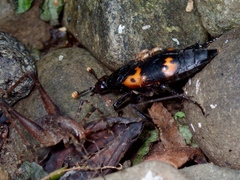
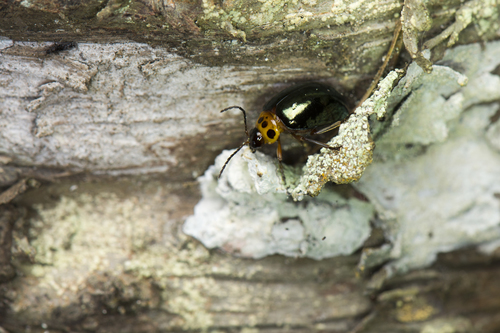
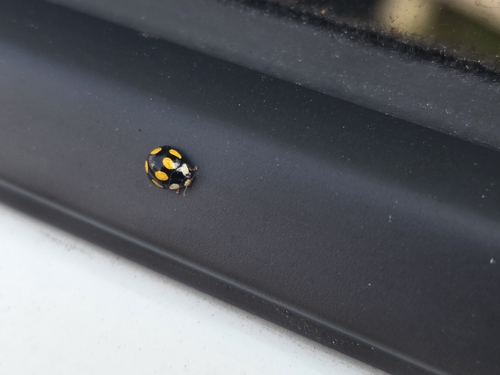
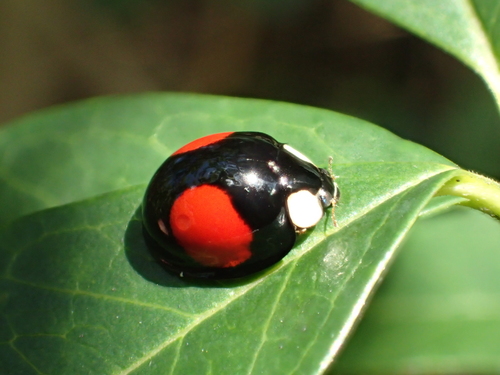
The body of N. nepalensis is shiny black and has unique elytral patterns with four separated scalloped, orange markings and black dots in both anterior and posterior fascia. The basal segment of the antennae is black and the tips are club shaped with three orange segments. Frons of the female have an elliptical shape, whereas those of the male are more rectangular. A distinct feature that separates males from females is the conspicuous orange spot on the clypeus near the mandible. Another feature is the post-ocular bulge found in males. Pronotal width is a common measurement of beetle size, and adult N. nepalensis can range from 3.6 to 7.0 mm, with no significant variations between male and... Wikipedia →

Global Distribution

Parks Where Found

# Park Country Daily sighting probability
1 Taroko National Park 🇹🇼 Taiwan
~10%

More parks will be added in future updates.

Cities Where Found

# City Country Daily sighting probability
1 Taipei 🇹🇼 Taiwan
<5%

Before you go

What are the chances of seeing a Nicrophorus nepalensis in Taipei?

Rare

Under 5% of wildlife watchers report a Nicrophorus nepalensis sighting in Taipei on a given day, based on 21 verified sightings from GBIF citizen-science data. It is the 396th most-seen of the 765 insects we can rate there. Over three days the chance rises to about 10%, and over a week to about 20%, if each day is a fresh chance.

When is the best time to see a Nicrophorus nepalensis in Taipei?

January–March and November

In those months about 10% of wildlife watchers report a Nicrophorus nepalensis in Taipei on a given day, against under 5% in April–October and December, the lowest months.

What time of day is best to see a Nicrophorus nepalensis?

Between 9 am and noon

Across all the parks we cover, that three-hour window holds the most Nicrophorus nepalensis sightings with a recorded time, and about 8 in 10 of them come between 6 am and 6 pm: it is a daytime animal.

Where else can you see a Nicrophorus nepalensis?

Only Taipei, in our data

Taipei is the only city on Wallace's Line with enough records to rate Nicrophorus nepalensis sightings: under 5% of wildlife watchers there report one on a given day.

Where does the Nicrophorus nepalensis sighting chance come from?

GBIF citizen-science records

It is estimated from how often the Nicrophorus nepalensis is recorded against all the insects logged in Taipei (21 verified sightings), calibrated against known sighting rates. Figures are rounded to the nearest 10% because citizen-science data supports honest approximations, not decimals, and months with records from fewer than five people show "—". How it works.

← Back to Taipei