Platypus quercivorus

Platypus quercivorus

Platypus quercivorus

Daily sighting probability <5% · Rare
at Tokyo

In 3 days ~10% in a week ~20%

27 Verified sightings at Tokyo
December Best month

About the Platypus quercivorus

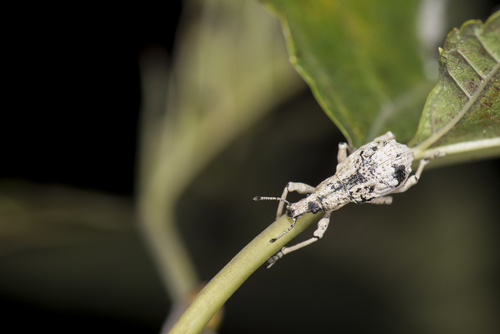
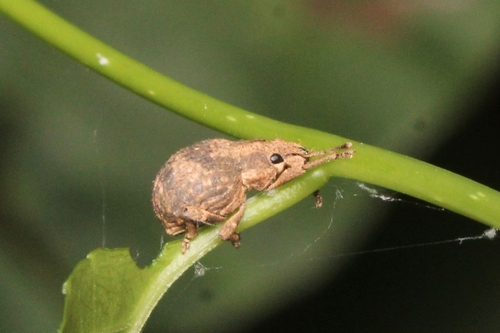
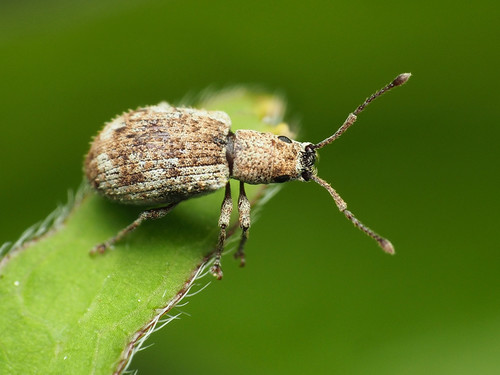
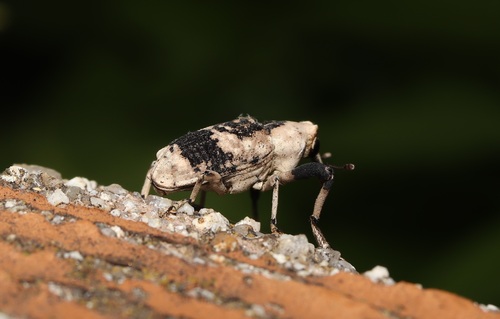
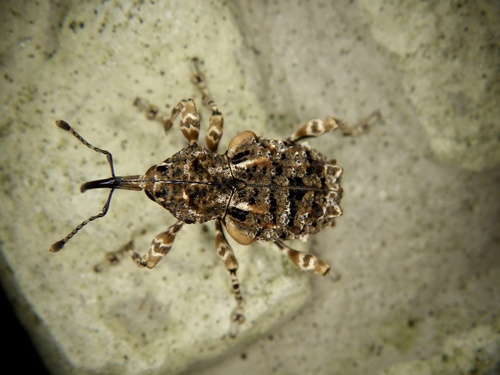
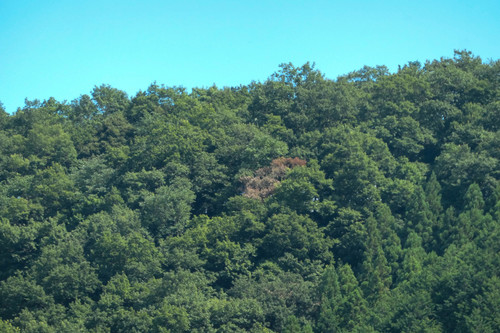
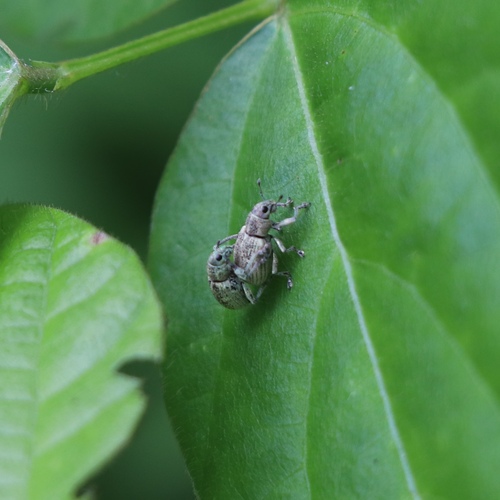
Platypus quercivorus, the oak ambrosia beetle, is a species of weevil and pest of broad-leaved trees. This species is most commonly known for vectoring the fungus responsible for excessive oak dieback in Japan since the 1980s. It is found in Japan, India, Indonesia, New Guinea, and Taiwan.

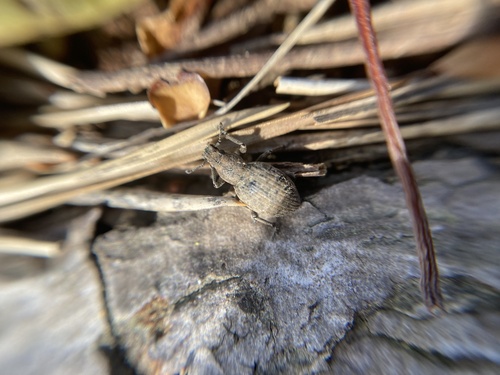
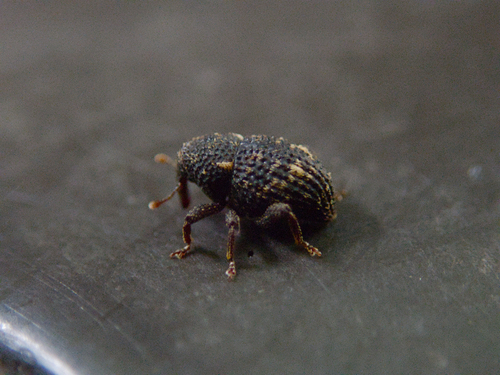
Since P. quercivorus belongs to the Platypodinae, it has distinct clubs on the end of its stout antennae with three solid segments. Usually, the beetle is between 4 and 5 mm long, reddish-brown in colour, and is elongate and roughly cylindrical. The prothorax is as wide as the head.

Males have a shallow, unarmed plate on the underside of the thorax and a convex and downward slope of their elytra. The elytra have a broad square end and spines at the top. Females have a mycangium on the pronotum for carrying symbiotic fungi spores. Although this trait may be in both females and males, it is always in females and rarely in males.

Although well known in Japan, this species also lives in India, Indonesia, New Guinea and Taiwan. Trees to inhabit are often selected for based on olfactory and visual cues. Infestation of these habitats occurs in stages beginning with males flying... Wikipedia →
Global Distribution

Parks Where Found

# Park Country Daily sighting probability

More parks will be added in future updates.

Cities Where Found

# City Country Daily sighting probability
1 Tokyo 🇯🇵 Japan
<5%

Before you go

What are the chances of seeing a Platypus quercivorus in Tokyo?

Rare

Under 5% of wildlife watchers report a Platypus quercivorus sighting in Tokyo on a given day, based on 27 verified sightings from GBIF citizen-science data. It is the 459th most-seen of the 1013 insects we can rate there. Over three days the chance rises to about 10%, and over a week to about 20%, if each day is a fresh chance.

When is the best time to see a Platypus quercivorus in Tokyo?

December and January

In those months about 10% of wildlife watchers report a Platypus quercivorus in Tokyo on a given day, against under 5% in February to November, the lowest months. Those are among Tokyo's driest months, with about 80 mm of rain a month against 250 mm in October.

Where else can you see a Platypus quercivorus?

Only Tokyo, in our data

Tokyo is the only city on Wallace's Line with enough records to rate Platypus quercivorus sightings: under 5% of wildlife watchers there report one on a given day.

Where does the Platypus quercivorus sighting chance come from?

GBIF citizen-science records

It is estimated from how often the Platypus quercivorus is recorded against all the insects logged in Tokyo (27 verified sightings), calibrated against known sighting rates. Figures are rounded to the nearest 10% because citizen-science data supports honest approximations, not decimals, and months with records from fewer than five people show "—". How it works.

← Back to Tokyo