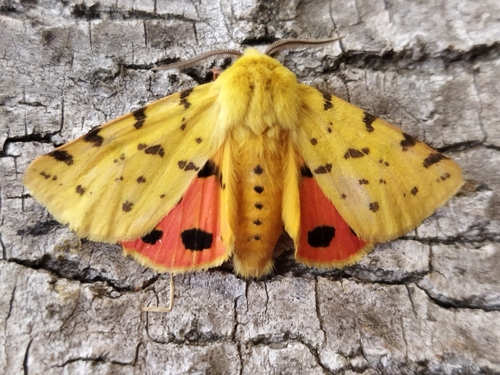
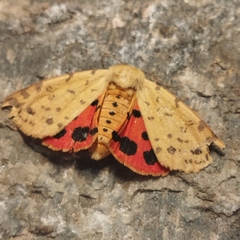
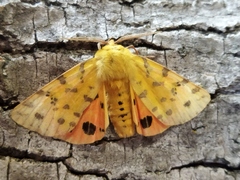
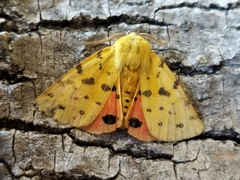

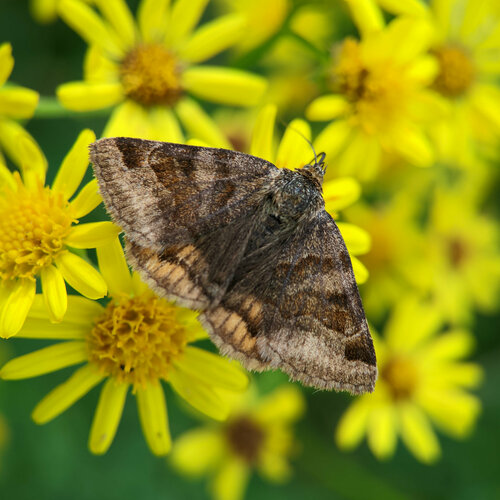
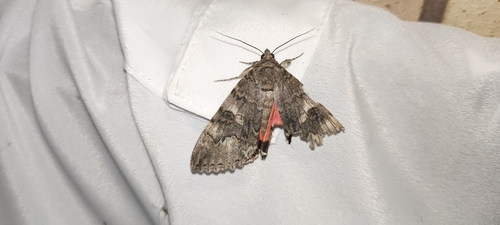
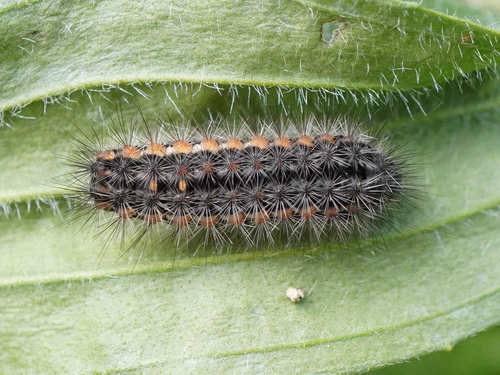
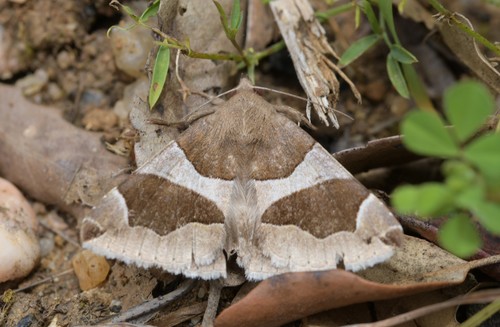
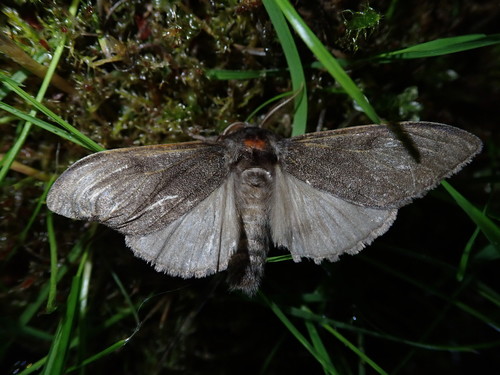
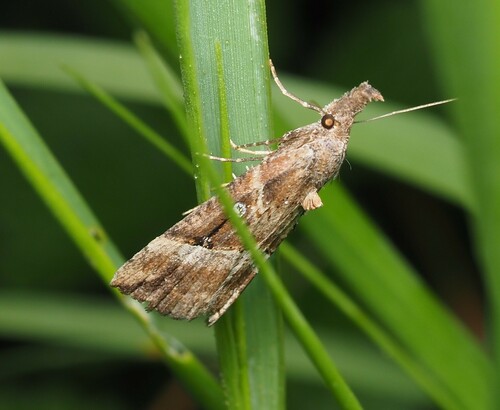
Purple Tiger

Purple Tiger

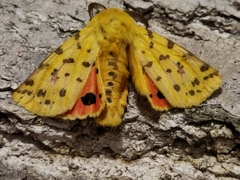
Rhyparia purpurata

Daily sighting probability <5% · Rare
at Vienna

In 3 days ~10% in a week ~20%

17 Verified sightings at Vienna
April Best month
🌙 Nocturnal When it's spotted

About the Purple Tiger

Diacrisia purpurata, the purple tiger, is a moth of the subfamily Arctiinae. The species was first described by Carl Linnaeus in his 1758 10th edition of Systema Naturae. It is found in Europe, Anatolia, Syria, Transcaucasus, Central Asia (mainly in Kazakhstan and Kyrgyzstan), southern Siberia, Mongolia, Amur Region, northern China, Korea and Japan (Honshu).

The length of the forewings is 18–22 mm for males and 22–25 mm for females. The moth flies June to August depending on the location. The larvae feed on Calluna and sometimes other herbaceous plants and deciduous trees. The species of the genus Rhyparia, including this one, were moved to Diacrisia as a result of phylogenetic research published by Rönkä et al. in 2016. Wikipedia →

Global Distribution

Parks Where Found

# Park Country Daily sighting probability

More parks will be added in future updates.

Cities Where Found

# City Country Daily sighting probability
1 Vienna 🇦🇹 Austria
<5%

Before you go

What are the chances of seeing a Purple Tiger in Vienna?

Rare

Under 5% of wildlife watchers report a Purple Tiger sighting in Vienna on a given day, based on 17 verified sightings from GBIF citizen-science data. It is the 698th most-seen of the 1406 insects we can rate there. Over three days the chance rises to about 10%, and over a week to about 20%, if each day is a fresh chance.

When is the best time to see a Purple Tiger in Vienna?

April

In that month about 10% of wildlife watchers report a Purple Tiger in Vienna on a given day, against under 5% in May to March, the lowest months.

What time of day is best to see a Purple Tiger?

Between midnight and 3 am

Across all the parks we cover, that three-hour window holds the most Purple Tiger sightings with a recorded time, and about 8 in 10 of them come between 6 pm and 6 am: it is mostly seen at night.

Where else can you see a Purple Tiger?

Only Vienna, in our data

Vienna is the only city on Wallace's Line with enough records to rate Purple Tiger sightings: under 5% of wildlife watchers there report one on a given day.

Which relatives of the Purple Tiger live in Vienna?

Same family: Erebidae

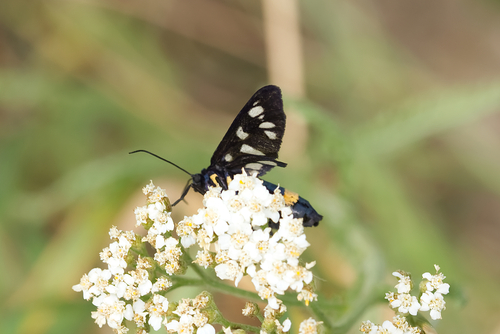
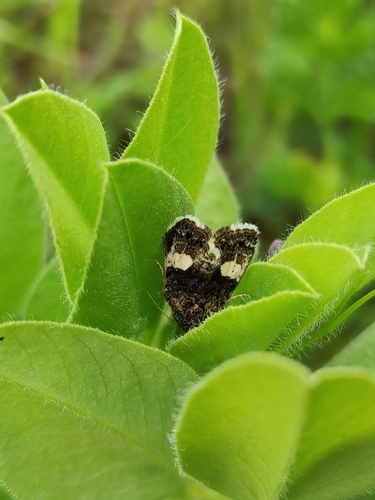
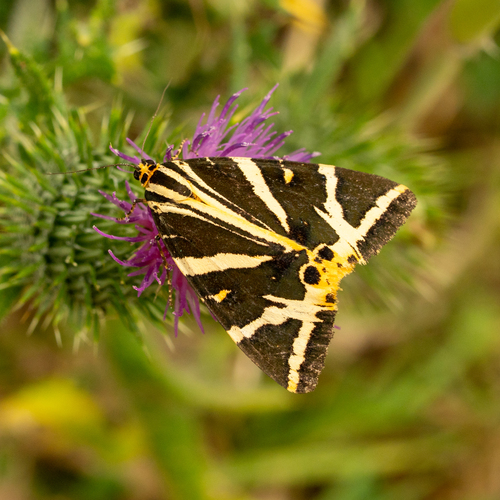
The closest relatives of the Purple Tiger that you can see in Vienna (family Erebidae, Underwing, Tiger, Tussock, and Allied Moths) are Nine-Spotted Moth (about 10%), Four-Spotted Moth (about 10%) and Jersey Tiger (about 10%), with each one's daily chance of a sighting.

Where does the Purple Tiger sighting chance come from?

GBIF citizen-science records

It is estimated from how often the Purple Tiger is recorded against all the insects logged in Vienna (17 verified sightings), calibrated against known sighting rates. Figures are rounded to the nearest 10% because citizen-science data supports honest approximations, not decimals, and months with records from fewer than five people show "—". How it works.

← Back to Vienna