City
Visakhapatnam
🇮🇳 India
Asia, India 215 spp. recorded
Visakhapatnam is the largest and most populous city in the Indian state of Andhra Pradesh. It is between the Eastern Ghats and the coast of the Bay of Bengal. It is the second largest city on the east coast of India after Chennai, and the fourth largest in South India. Wikipedia
17.740° N 83.220° E
🦜 Nature

215 Species sighted
36,028 Verified sightings From 2019 to 2026
Feb Best month
⭐ Iconic Species




📊 Most Spotted





📊 Most Spotted

LC
 Indian Palm Squirrel
Funambulus palmarum

 Indian Gray Mongoose
Herpestes edwardsi

LC
 Greater Short-nosed Fruit Bat
Cynopterus sphinx

LC
Northern Palm Squirrel
Funambulus pennantii

NT
 Indian Flying Fox
Pteropus medius

LC
Brown Rat
Rattus norvegicus
⭐ Iconic Species
📊 Most Spotted

⭐ Iconic Species
📊 Most Spotted

LC
 Common Dotted Garden Skink
Riopa punctata

LC
 Khorat Blind Snake
Indotyphlops braminus

LC
 Indian Chameleon
Chamaeleo zeylanicus

LC
 Keeled Indian Mabuya
Eutropis carinata

LC
 Loos Snake
Oligodon taeniolatus

Ahaetulla oxyrhyncha
Ahaetulla oxyrhyncha
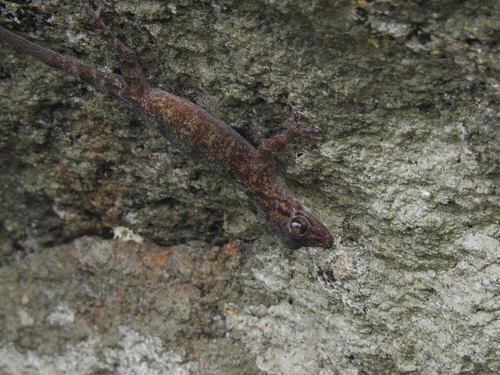
LC
Indian Golden Gecko
Calodactylodes aureus

LC
 Common House Gecko
Hemidactylus frenatus

LC
 Pond Slider
Trachemys scripta

LC
Dhaman
Ptyas mucosa

NT
 Bengal Monitor
Varanus bengalensis
📊 Most Spotted

LC
 Chunam Tree Frog
Polypedates maculatus

LC
 Common Indian Toad
Duttaphrynus melanostictus

LC
White-bellied pug-snout frog
Uperodon variegatus
📊 Most Spotted
⭐ Iconic Species
🌙 Most active after dark


Recent sightings in Visakhapatnam
LIVEiNaturalistWhere to look
Warmer areas are where all species together are recorded most often.
-
Visakhapatnam Fishing Harbor
-
Kailasagiri Hills
-
Meghadrigedda downstream channel (Behind Airport)


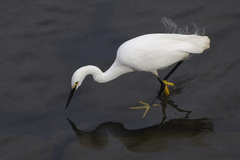
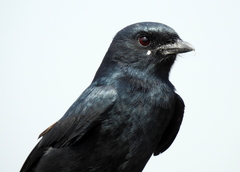


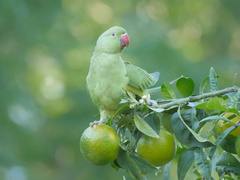



Sighting Calendar
How many species you'd see in a day
27Jan
29Feb
24Mar
23Apr
21May
19Jun
22Jul
21Aug
23Sep
22Oct
25Nov
27Dec
🏙️ City
Essentials
Green cover
High
Protected land
—
Protected sea
—
Protected areas
—
Wildlife spots
3
spotsZoos & centres
0
placesClimate
Tropical savanna
World Heritage
No
Climate
Temp °C Rain mm
JanFebMarAprMayJunJulAugSepOctNovDec
0.0 World-class
Wallace's Line Score
How good is this city for seeing wildlife? 🦜
Biodiversity
Very goodHow rich is the wildlife?
3.8
Species by taxon
🦅 Birds 421
🐒 Mammals 103
🦎 Reptiles 100
🐸 Amphibians 19
643 Total Species
679 Global average across 380 cities
49 Threatened 5 Endemic
🔭
Sighting
ExcellentHow likely to see animals?
4.8
🎯
Top-12 Avg Probability
83% 📊
Coverage (91 species at ≥5% of 643 in the inventory)
14% 🔀
Taxon variety in top 12 (11 bird, 1 reptile)
20% 🌟
Iconic-group species (≥15%) (every species from the 19 iconic groups — monkeys, cats, toucans, macaws, sloths, crocodilians… — not just the 4 highlighted above)
4 ⭐
High-prob species (>40%)
18 🏕️
Experience
Very goodHow easy and pleasant is the visit?
3.9
Climate Pleasant High
Green cover High High
Protected land & sea — Low
Protected areas 0 Low
Wildlife spots 3 Medium
Zoos & centres 0 Low
What visitors say
Before you go
What animals can you see in Visakhapatnam?
215 species
Visakhapatnam's urban area has 215 recorded vertebrate species. The ones wildlife watchers report most often on a given day are House Crow (over 90%), Black Kite (over 90%), Large-billed Crow (about 90%), Rose-ringed Parakeet (about 90%) and Pearl-necked Dove (about 90%). Among reptiles, the most-seen is Oriental Garden Lizard (about 60%).
When is the best time to see wildlife in Visakhapatnam?
April and May
In those months the city's 12 most-seen species average about 90% on a given day, against about 80% in June to March. Those are among Visakhapatnam's driest months, with about 50 mm of rain a month against 220 mm in September.
Can you see a Common Bronzeback Tree Snake in Visakhapatnam?
Yes
About 40% of wildlife watchers report a Common Bronzeback Tree Snake sighting in Visakhapatnam on a given day, based on 5 verified sightings from GBIF citizen-science data from 2019 to 2026. The best time is March–April and June (about 50%).
Can you see a Large-billed Crow in Visakhapatnam?
Yes
About 90% of wildlife watchers report a Large-billed Crow sighting in Visakhapatnam on a given day, based on 2,343 verified sightings from GBIF citizen-science data from 2019 to 2026. The best time is January, March–April and June–July (over 90%).
Can you see a House Crow in Visakhapatnam?
Yes
Over 90% of wildlife watchers report a House Crow sighting in Visakhapatnam on a given day, based on 3,060 verified sightings from GBIF citizen-science data from 2019 to 2026.
Where in Visakhapatnam is wildlife easiest to see?
Visakhapatnam Fishing Harbor
The spot where most wildlife watchers record their sightings is Visakhapatnam Fishing Harbor (32 bird species recorded), followed by Kailasagiri Hills and Meghadrigedda downstream channel (Behind Airport). See them on the map.
Is Visakhapatnam good for wildlife watching?
4.5 out of 5
On the Wallace's Line Score, which rates each city against other cities, Visakhapatnam gets 4.5/5: 91st of 380 cities worldwide and 42nd in Asia. 21 of its species are reported by about 40% or more of wildlife watchers on a given day.
Nearest Cities


Nearest Parks


Nearest Zoos & Centres


Sources: urban area GHSL Urban Centre Database R2024A, European Commission JRC (CC BY 4.0) · protected land WDPA, UNEP-WCMC & IUCN (via GHSL) · climate NASA POWER · wildlife GBIF.org citizen-science data