










senegalwildlife.wordpress.com Web excerpt · 2026
“Although we saw the occasional bird in January in the Senegal River delta this year, barn swallow is primarily a migrant in Senegal.”
🇸🇳 Senegal
The Djoudj National Bird Sanctuary lies on the southeast bank of the Senegal River in Senegal, in northern Biffeche, north east of St-Louis. It provides a variety of wetland habitats which prove very popular with migrating birds, many of which have just crossed the Sahara. Of almost 400 species of birds, the most visible are pelicans and flamingos. Less conspicuous are the aquatic warblers migrating there from Europe; for these, the park is the single most important wintering site yet discovered. A wide range of wildlife also inhabits the park, which is designated a World Heritage Site. The site was added to the list of World Heritage in Danger in 1984 due to the introduction of the invasive giant salvinia plant, which threatens to choke out the park's native vegetation. However it was removed from the list in 2006.
16.412° N 16.222° W

Warmer areas are where all species together are recorded most often.



How rich is the wildlife?
How likely to see animals?
How easy and pleasant is the visit?
Your review
“Although we saw the occasional bird in January in the Senegal River delta this year, barn swallow is primarily a migrant in Senegal.”
641 species
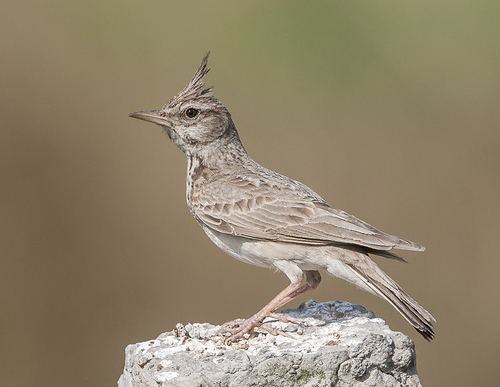
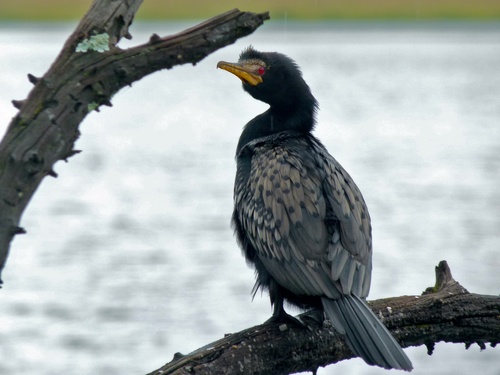
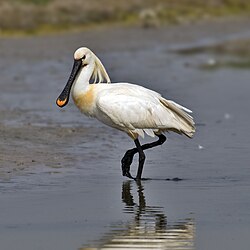
Djoudj National Bird Sanctuary has 641 recorded vertebrate species. The ones wildlife watchers report most often on a given day are Common Warthog (about 90%), White-faced Whistling Duck (about 80%), African Golden Wolf (about 80%), Nile Monitor (about 80%) and West African Crocodile (about 80%).
November to March
In those months the park's 12 most-seen species average about 80% on a given day, against about 60% in April. Those are among Djoudj National Bird Sanctuary's driest months, with almost no rain against 55 mm in August.
Yes
About 70% of wildlife watchers report a Greater Flamingo sighting in Djoudj National Bird Sanctuary on a given day, based on 127 verified sightings from GBIF citizen-science data from 2019 to 2026. The best time is January–February and November (about 70%).
Yes
About 70% of wildlife watchers report a Lesser Flamingo sighting in Djoudj National Bird Sanctuary on a given day, based on 118 verified sightings from GBIF citizen-science data from 2019 to 2026. The best time is January and February (about 80%).
Yes
About 80% of wildlife watchers report a Great White Pelican sighting in Djoudj National Bird Sanctuary on a given day, based on 201 verified sightings from GBIF citizen-science data from 2019 to 2026. The best time is November to March (about 80%).
Yes
About 80% of wildlife watchers report a White-faced Whistling Duck sighting in Djoudj National Bird Sanctuary on a given day, based on 195 verified sightings from GBIF citizen-science data from 2019 to 2026. The best time is February to April (about 90%).
4.5 out of 5
On the Wallace's Line Score, Djoudj National Bird Sanctuary rates 4.5/5: 57th of 340 parks worldwide and 37th in Africa. 84 of its species are reported by about 40% or more of wildlife watchers on a given day.


