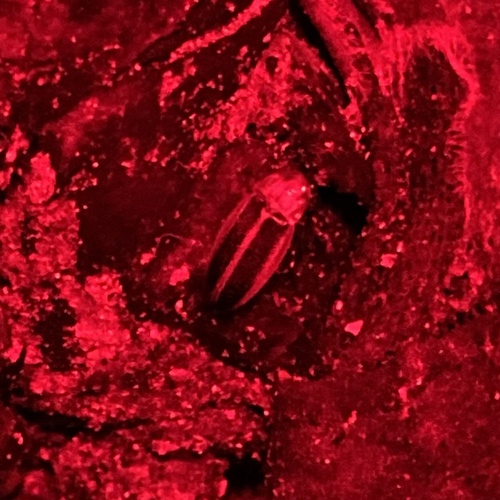
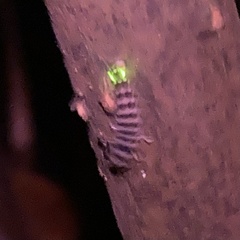
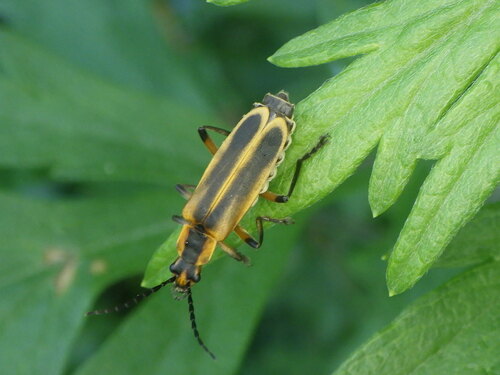
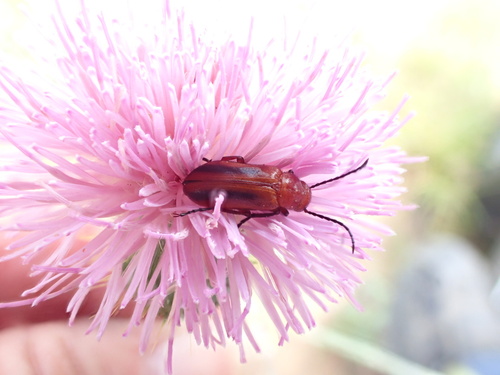
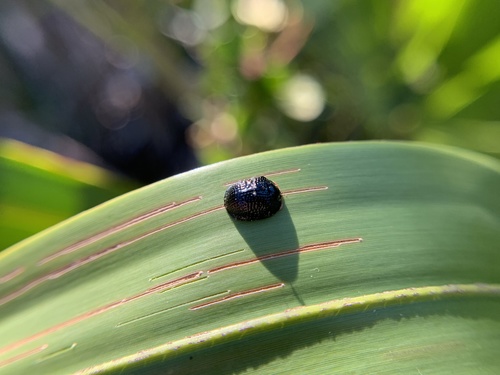
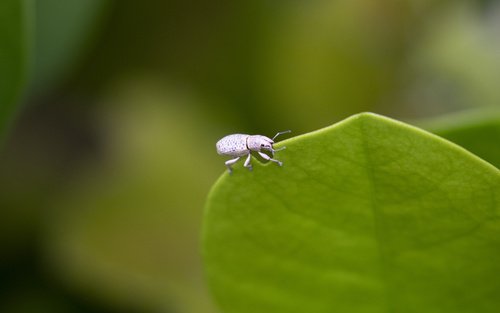
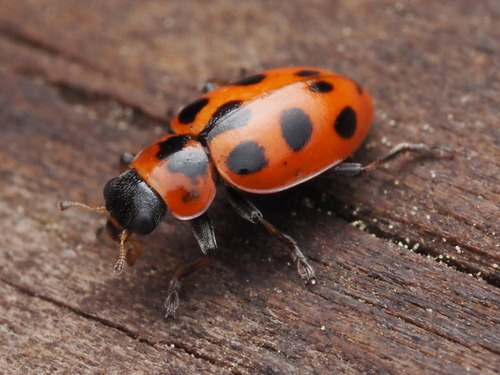
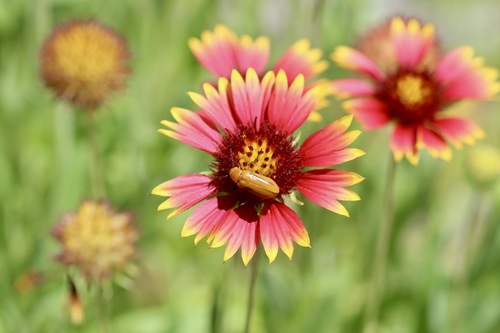
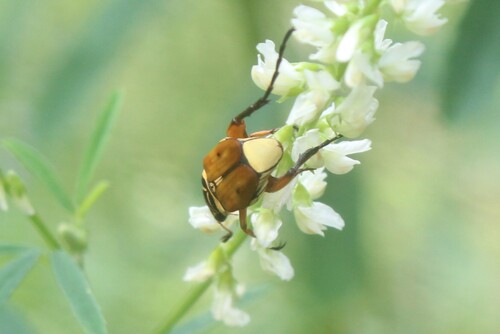
Florida Intertidal Firefly

Florida Intertidal Firefly

Micronaspis floridana

Daily sighting probability <5% · Rare
at Everglades National Park

In 3 days ~10% in a week ~30%

11 Verified sightings at Everglades National Park From 2019 to 2026
11 In 1 park
May Best month
🌙 Nocturnal When it's spotted

About the Florida Intertidal Firefly

Micronaspis is a genus of fireflies in the beetle family Lampyridae. It is monotypic, containing the single species, the Florida intertidal firefly (Micronaspis floridana). It is found in the Bahamas and the southern United States (Florida).

It is threatened by habitat loss from coastal development as well as storm surges and sea level rise as a consequence of climate change, with Hurricane Dorian having a major impact on Grand Bahama island, where the species is known from. Increased chemical and light pollution has also seriously affected the species. Further threatening it in Florida is the introduction of Steinernema carpocapsae as a biocontrol agent for crops, which is known to target other beetle species than the ones it is meant to control; it is likely the cause of a local extirpation of a population of M. floridana from Sarasota Bay. Wikipedia →

Global Distribution

Parks Where Found

# Park Country Daily sighting probability
1 Everglades National Park 🇺🇸 United States
<5%

More parks will be added in future updates.

Cities Where Found

# City Country Daily sighting probability
1 Miami 🇺🇸 United States
<5%

Before you go

What are the chances of seeing a Florida Intertidal Firefly in Everglades National Park?

Rare

Under 5% of wildlife watchers report a Florida Intertidal Firefly sighting in Everglades National Park on a given day, based on 11 verified sightings from GBIF citizen-science data from 2019 to 2026. It is the 315th most-seen of the 496 insects we can rate there. Over three days the chance rises to about 10%, and over a week to about 30%, if each day is a fresh chance.

When is the best time to see a Florida Intertidal Firefly in Everglades National Park?

April–May and November

In those months about 10% of wildlife watchers report a Florida Intertidal Firefly in Everglades National Park on a given day, against under 5% in June–October and December–March, the lowest months.

What time of day is best to see a Florida Intertidal Firefly?

Between 7 and 10 pm

Across all the parks we cover, that three-hour window holds the most Florida Intertidal Firefly sightings with a recorded time, and nearly all of them come between 6 pm and 6 am: it is mostly seen at night.

Where else can you see a Florida Intertidal Firefly?

Only Everglades National Park, in our data

Everglades National Park is the only park on Wallace's Line with enough records to rate Florida Intertidal Firefly sightings: under 5% of wildlife watchers there report one on a given day.

Which relatives of the Florida Intertidal Firefly live in Everglades National Park?

Same order: Coleoptera

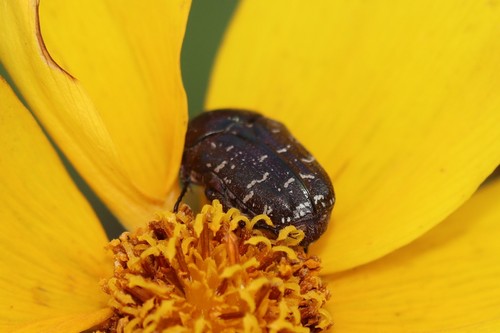
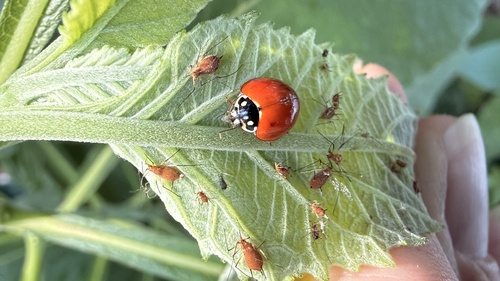
The closest relatives of the Florida Intertidal Firefly that you can see in Everglades National Park (order Coleoptera, Beetles) are Dark Flower Scarab (about 20%), Spotless Lady Beetle (about 10%) and Margined Leatherwing Beetle (about 10%), with each one's daily chance of a sighting.

Where does the Florida Intertidal Firefly sighting chance come from?

GBIF citizen-science records

It is estimated from how often the Florida Intertidal Firefly is recorded against all the insects logged in Everglades National Park (11 verified sightings from 2019 to 2026), calibrated against known sighting rates. Figures are rounded to the nearest 10% because citizen-science data supports honest approximations, not decimals, and months with records from fewer than five people show "—". How it works.

← Back to Everglades National Park