Yellow Fly Of The Dismal Swamp

Yellow Fly Of The Dismal Swamp

Diachlorus ferrugatus

Daily sighting probability ~10% · With luck
at Everglades National Park

In 3 days ~20% in a week ~30%

13 Verified sightings at Everglades National Park From 2019 to 2026
23 In all 3 parks
March Best month
☀️ Diurnal When it's spotted

About the Yellow Fly Of The Dismal Swamp

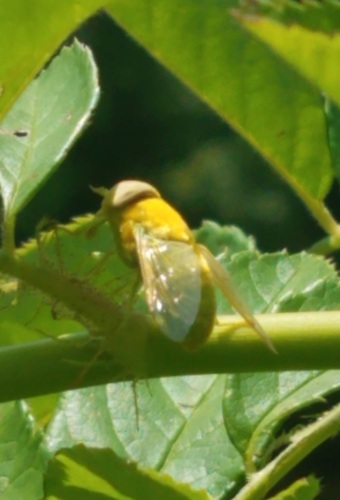
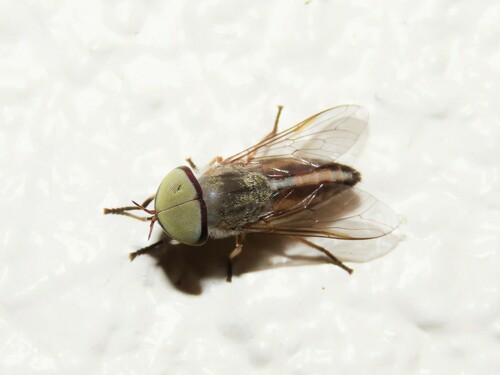
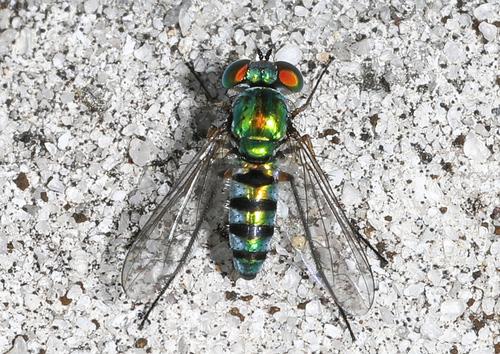
Diachlorus ferrugatus, commonly known as the yellow fly or yellow fly of the dismal swamp in the United States or doctor fly in Belize, is a species of highly aggressive biting horse-fly of the family Tabanidae native to North and Central America to Costa Rica.

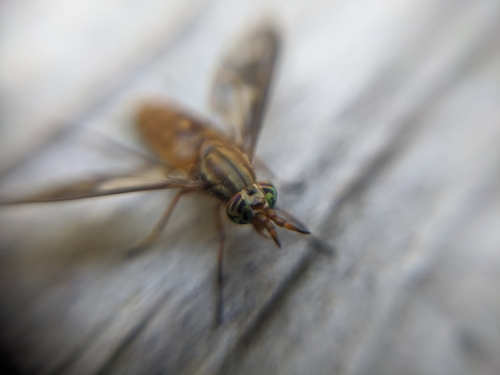
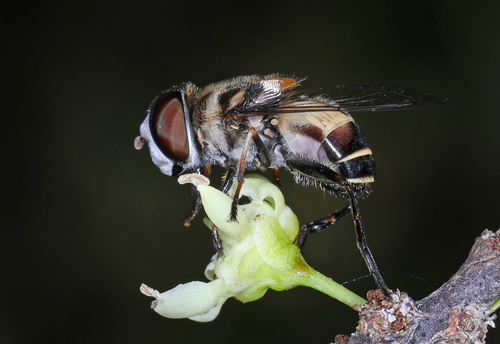
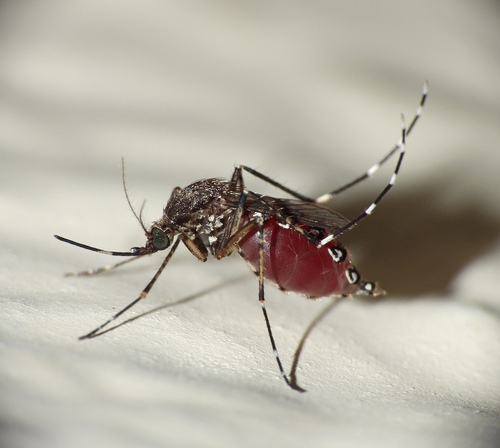
The yellow fly was described as Chrysops ferrugatus by Johan Christian Fabricius in 1805. Adult yellow flies are around 1 centimetre (0.39 in) long with yellow bodies, mid-legs, and hind-legs, and black fore-legs. The eyes are blue-green with purple bands. They fly with little sound, and the first sign of their presence noticed by humans is usually their bite.

The larvae are thin white grubs with fine yellow fur, each segment having three pairs of pseudopodia. The yellow fly ranges from the southeastern United States, where it is found from New Jersey to Texas, to Costa Rica. It is most common near bodies of water, along with trees nearby to hide in. Spanish moss (Tillandsia usneoides) is a popular hiding spot.

It is notorious for its propensity to inflict painful bites on people, having been described as the most aggressive fly species in... Wikipedia →

Global Distribution

Parks Where Found

# Park Country Daily sighting probability
1 Sian Ka'an Biosphere Reserve 🇲🇽 Mexico
~10%
2 Big Cypress National Preserve 🇺🇸 United States
~10%
3 Everglades National Park 🇺🇸 United States
~10%

Cities Where Found

# City Country Daily sighting probability
1 Orlando 🇺🇸 United States
<5%

Before you go

What are the chances of seeing a Yellow Fly Of The Dismal Swamp in Everglades National Park?

With luck

About 10% of wildlife watchers report a Yellow Fly Of The Dismal Swamp sighting in Everglades National Park on a given day, based on 13 verified sightings from GBIF citizen-science data from 2019 to 2026. It is the 213th most-seen of the 496 insects we can rate there. Over three days the chance rises to about 20%, and over a week to about 30%, if each day is a fresh chance.

When is the best time to see a Yellow Fly Of The Dismal Swamp in Everglades National Park?

March and May–August

In those months about 10% of wildlife watchers report a Yellow Fly Of The Dismal Swamp in Everglades National Park on a given day, against under 5% in April and September–February, the lowest months.

What time of day is best to see a Yellow Fly Of The Dismal Swamp?

Between noon and 3 pm

Across all the parks we cover, that three-hour window holds the most Yellow Fly Of The Dismal Swamp sightings with a recorded time, and about 8 in 10 of them come between 6 am and 6 pm: it is a daytime animal.

Is Everglades National Park the best place to see a Yellow Fly Of The Dismal Swamp?

Among the best

Of the 3 parks where we can rate Yellow Fly Of The Dismal Swamp sightings, Everglades National Park ranks 3rd at about 10%, level with the leaders once rounded. The best odds are in Sian Ka'an Biosphere Reserve (Mexico, about 10%) and Big Cypress National Preserve (United States, about 10%).

Which relatives of the Yellow Fly Of The Dismal Swamp live in Everglades National Park?

Same family: Tabanidae

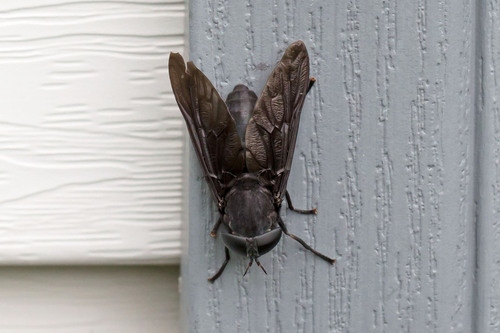
The closest relatives of the Yellow Fly Of The Dismal Swamp that you can see in Everglades National Park (family Tabanidae, Horse and Deer Flies) are Black Horse Fly (about 10%) and Green Horse Fly (about 10%), with each one's daily chance of a sighting.

Where does the Yellow Fly Of The Dismal Swamp sighting chance come from?

GBIF citizen-science records

It is estimated from how often the Yellow Fly Of The Dismal Swamp is recorded against all the insects logged in Everglades National Park (13 verified sightings from 2019 to 2026), calibrated against known sighting rates. Figures are rounded to the nearest 10% because citizen-science data supports honest approximations, not decimals, and months with records from fewer than five people show "—". How it works.

← Back to Everglades National Park