Blackmound Termite

Blackmound Termite

Amitermes hastatus

Daily sighting probability <5% · Rare
at Garden Route National Park

In 3 days ~10% in a week ~20%

5 Verified sightings at Garden Route National Park From 2019 to 2026
132 In all 2 parks
July Best month
☀️ Diurnal When it's spotted

About the Blackmound Termite

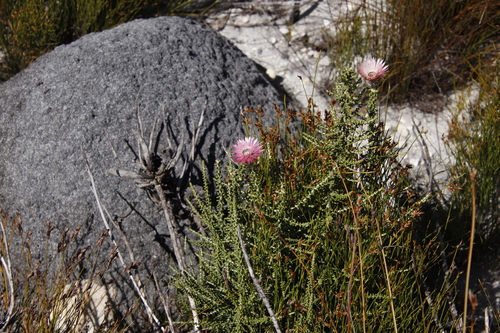
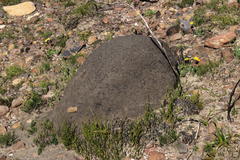
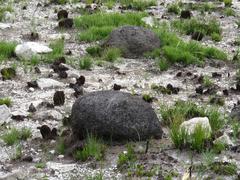
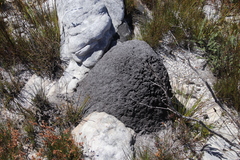
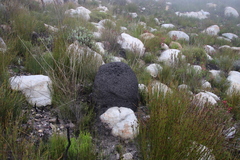
Amitermes hastatus, commonly known as the black mound termite, is a species of termite found in the Western Cape region of South Africa. It is endemic to the region's fynbos ecosystem. They build distinctive black termite mounds that range in height from a few centimeters to 50 centimeters. The species is commonly found on sandy soil eroded from white Table Mountain sandstone at altitudes from just under 100 meters up to 900 meters above sea level.

The mound is constructed from white sand and organic matter and is distinctively black in colour due to the cement excreted by the termites. The exterior consists of irregular chambers that are interconnected with other cells through small circular openings. The interior of the mound has larger chambers with thinner walls. There is no royal cell in the mound; instead, breading termites move freely though the network of cells at the centre of the mound. The species is not a fungus grower and as such there are no fungus gardens in the mound. The mounds tend to be as high as they are wide and can reach up to 50 centimeters in height and width.

Workers expand the size of the mound from the mound's interior by making small holes... Wikipedia →

Global Distribution

Parks Where Found

# Park Country Daily sighting probability
1 Table Mountain National Park 🇿🇦 South Africa
~10%
2 Garden Route National Park 🇿🇦 South Africa
<5%

Cities Where Found

# City Country Daily sighting probability
1 Cape Town 🇿🇦 South Africa
~10%

Before you go

What are the chances of seeing a Blackmound Termite in Garden Route National Park?

Rare

Under 5% of wildlife watchers report a Blackmound Termite sighting in Garden Route National Park on a given day, based on 5 verified sightings from GBIF citizen-science data from 2019 to 2026. It is the 261st most-seen of the 298 insects we can rate there. Over three days the chance rises to about 10%, and over a week to about 20%, if each day is a fresh chance.

When is the best time to see a Blackmound Termite in Garden Route National Park?

March and July–August

In those months about 10% of wildlife watchers report a Blackmound Termite in Garden Route National Park on a given day, against under 5% in April–June and September–February, the lowest months.

What time of day is best to see a Blackmound Termite?

Between 9 am and noon

Across all the parks we cover, that three-hour window holds the most Blackmound Termite sightings with a recorded time, and nearly all of them come between 6 am and 6 pm: it is a daytime animal.

Is Garden Route National Park the best place to see a Blackmound Termite?

2nd of 2

Of the 2 parks where we can rate Blackmound Termite sightings, Garden Route National Park ranks 2nd at under 5%. The best odds are in Table Mountain National Park (South Africa, about 10%).

Which relatives of the Blackmound Termite live in Garden Route National Park?

Same order: Blattodea

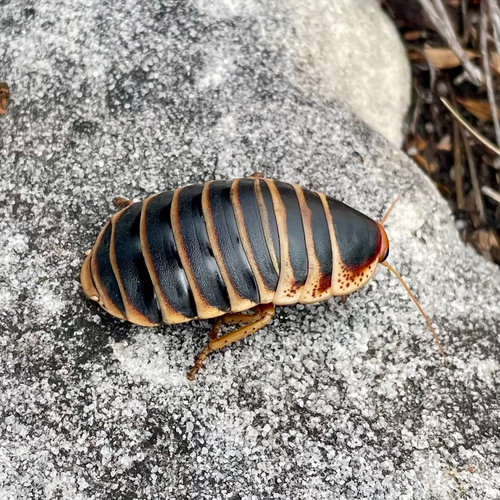
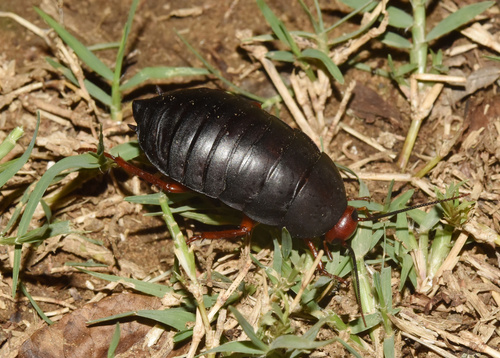
The closest relatives of the Blackmound Termite that you can see in Garden Route National Park (order Blattodea, Cockroaches and Termites) are Cape Mountain Cockroach (about 20%) and Red-Headed Cockroach (about 10%), with each one's daily chance of a sighting.

Where does the Blackmound Termite sighting chance come from?

GBIF citizen-science records

It is estimated from how often the Blackmound Termite is recorded against all the insects logged in Garden Route National Park (5 verified sightings from 2019 to 2026), calibrated against known sighting rates. Figures are rounded to the nearest 10% because citizen-science data supports honest approximations, not decimals, and months with records from fewer than five people show "—". How it works.

← Back to Garden Route National Park