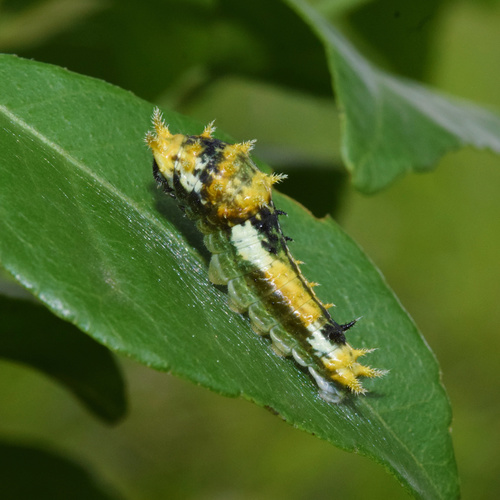
Reticulate Bagnest

Reticulate Bagnest

Anaphe reticulata

Daily sighting probability ~10% · With luck
at iSimangaliso Wetland Park

In 3 days ~20% in a week ~40%

14 Verified sightings at iSimangaliso Wetland Park From 2019 to 2026
47 In all 2 parks
May Best month
🌅 Crepuscular When it's spotted

About the Reticulate Bagnest

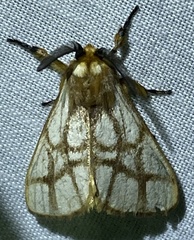
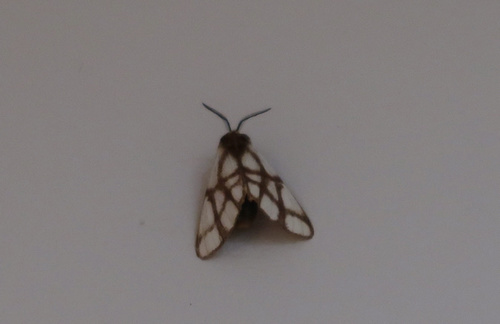
Anaphe reticulata, commonly known as the reticulate bagnest or reticulate bagnet, is a moth of the family Notodontidae which is native to savannah in sub-Saharan Africa. It was described by Francis Walker in 1855. It has been recorded from Angola, Eritrea, Ivory Coast, Malawi, Mozambique and South Africa. In southern Africa it is described as common and widespread. Anaphe panda is similar in appearance and habits.

There are two generations per year, and in southern Africa the gregarious foliage-feeding caterpillars are observed from January to March, and again from April to June. The hirsute olive green caterpillars are easily spotted on branches and leaves of their food plants, or when they are found precessing in single file along the ground or up woody plants. Allegedly the caterpillars' copious hair will cause a rash if touched. The caterpillars have been found to feed on Dombeya and Diplorhynchus condylocarpon in Zimbabwe, and on Dombeya rotundifolia, Grewia bicolor, Grewia flavescens and Pappea capensis in Mpumalanga and Limpopo, South Africa. Wikipedia →
Global Distribution

Parks Where Found

# Park Country Daily sighting probability
1 iSimangaliso Wetland Park 🇿🇦 South Africa
~10%
2 Kruger National Park 🇿🇦 South Africa
~10%

Cities Where Found

# City Country Daily sighting probability
1 Durban 🇿🇦 South Africa
~10%

Before you go

What are the chances of seeing a Reticulate Bagnest in iSimangaliso Wetland Park?

With luck

About 10% of wildlife watchers report a Reticulate Bagnest sighting in iSimangaliso Wetland Park on a given day, based on 14 verified sightings from GBIF citizen-science data from 2019 to 2026. It is the 129th most-seen of the 316 insects we can rate there. Over three days the chance rises to about 20%, and over a week to about 40%, if each day is a fresh chance.

When is the best time to see a Reticulate Bagnest in iSimangaliso Wetland Park?

January to July

In those months about 10% of wildlife watchers report a Reticulate Bagnest in iSimangaliso Wetland Park on a given day, against under 5% in August to December, the lowest months.

What time of day is best to see a Reticulate Bagnest?

Between 7 and 10 pm

Across all the parks we cover, that three-hour window holds the most Reticulate Bagnest sightings with a recorded time, and about 6 in 10 of them come between 6 am and 6 pm: it is most active around dawn and dusk.

Is iSimangaliso Wetland Park the best place to see a Reticulate Bagnest?

Yes

Of the 2 parks where we can rate Reticulate Bagnest sightings, iSimangaliso Wetland Park has the highest daily chance: about 10%. Next come Kruger National Park (South Africa, about 10%).

Which relatives of the Reticulate Bagnest live in iSimangaliso Wetland Park?

Same order: Lepidoptera

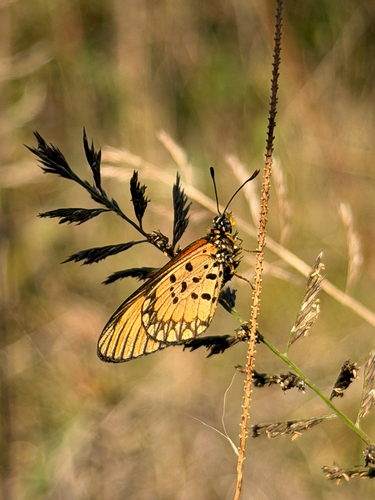
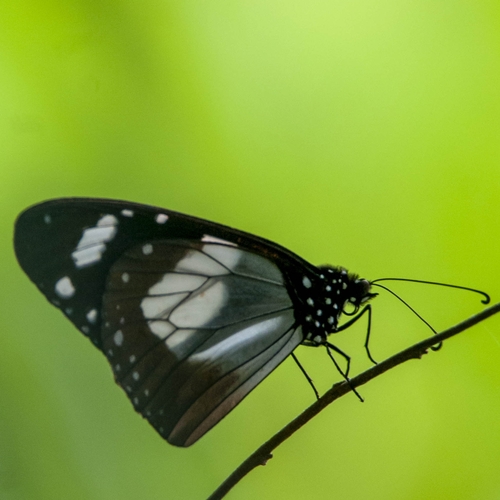
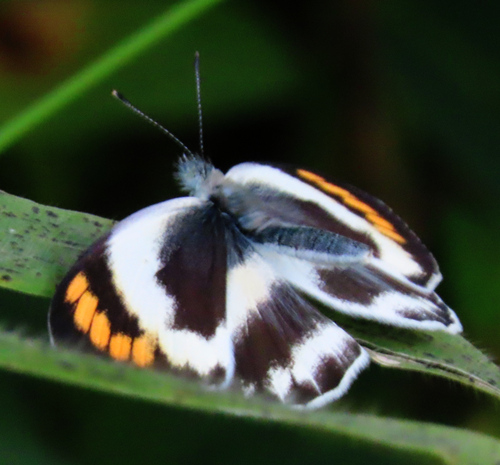
The closest relatives of the Reticulate Bagnest that you can see in iSimangaliso Wetland Park (order Lepidoptera, Butterflies and Moths) are Dark Blue Pansy (about 30%), Dancing Amber (about 30%) and Citrus Swallowtail (about 20%), with each one's daily chance of a sighting.

Where does the Reticulate Bagnest sighting chance come from?

GBIF citizen-science records

It is estimated from how often the Reticulate Bagnest is recorded against all the insects logged in iSimangaliso Wetland Park (14 verified sightings from 2019 to 2026), calibrated against known sighting rates. Figures are rounded to the nearest 10% because citizen-science data supports honest approximations, not decimals, and months with records from fewer than five people show "—". How it works.

← Back to iSimangaliso Wetland Park